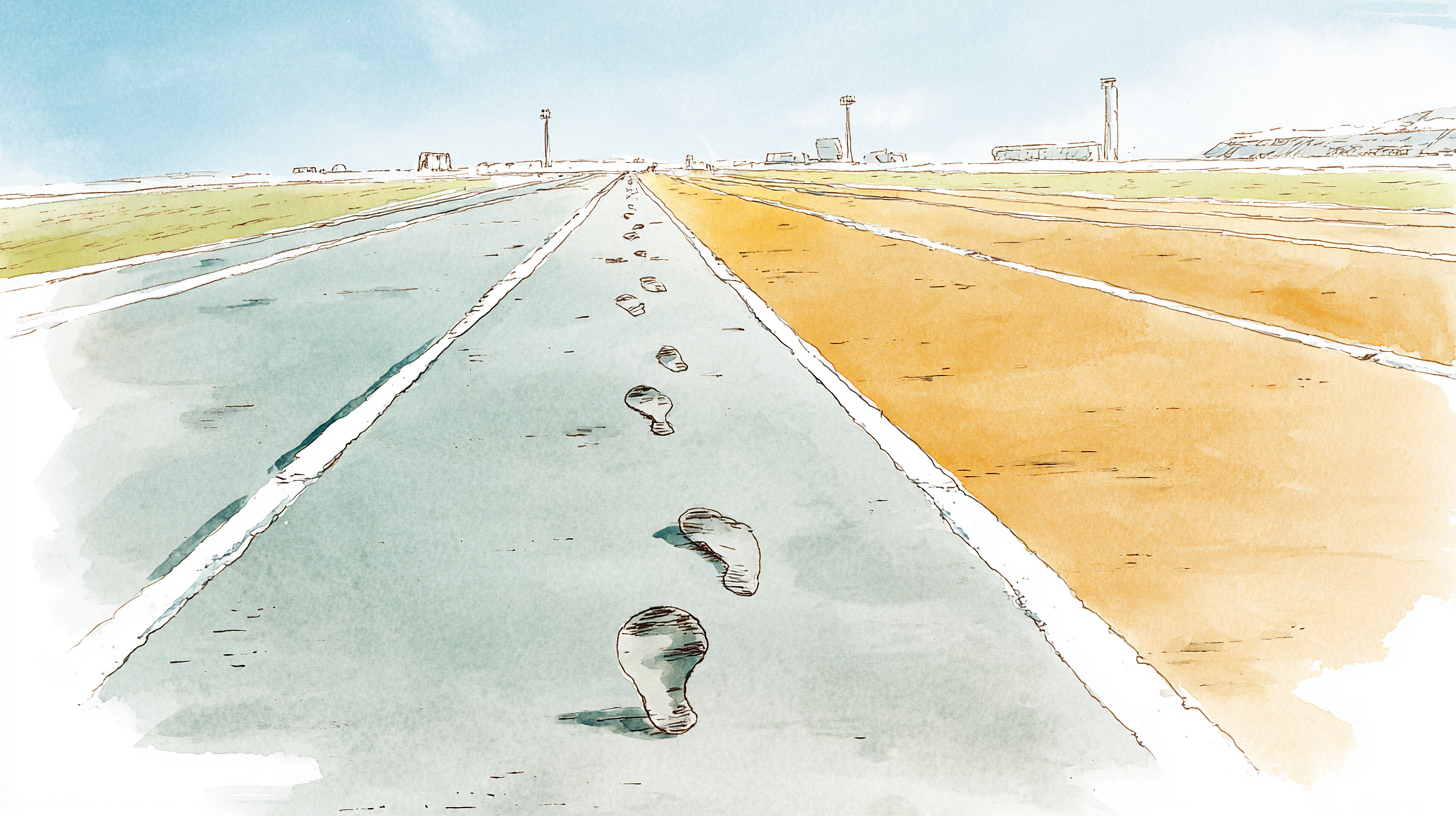
Perfection is the state of being complete, flawless, and without fault — a standard that inspires extraordinary effort and, sometimes, extraordinary anxiety.
“perfection” は「完璧さ・申し分のない状態」を意味し、人を卓越へと駆り立てる理想である一方、時に過剰なプレッシャーの源にもなる両刃の概念です。
以下は英単語 “perfection” に関するストーリー型学習コンテンツです。まずは大枠の意味を理解して最後の文章で確認しましょう。
“perfection” の主な意味(main meaning)
| 品詞 | 意味(日本語) | 英語定義 | 英語例文 | IPA発音記号 |
|---|---|---|---|---|
| n. | 完璧さ・完全な状態 | The condition of being free from all flaws or defects | She spent years in pursuit of perfection in her craft. | /pəˈfek.ʃən/ |
| n. | 最高・申し分ない例 | A person or thing considered to be perfect | The timing of his arrival was absolute perfection. | /pəˈfek.ʃən/ |
| n. | 完成・仕上げ | The action or process of making something perfect | The perfection of the technique took decades of practice. | /pəˈfek.ʃən/ |
“perfection” の語源(etymology)
ラテン語 perfectio(完成・仕上げ)に由来し、per-(完全に・徹底的に)+ facere(作る・する)の合成語。「完全に作り上げること」が原義で、もともとは「神の完全性」や「魂の完成」という宗教・哲学的文脈で使われた。13〜14世紀に英語に入り、次第に「欠点のない理想の状態」という世俗的な意味へと広がった。imperfection(不完全さ)はこの語の直接の反意語派生語。
核となるイメージ: “Perfection is not a thing you find — it is a thing you make, again and again, until it can no longer be improved.”
“perfection” の類義語(synonyms)
| 類義語 | 基本的な意味 | 対象単語とのニュアンスの違い | 英語例文 |
|---|---|---|---|
| excellence | 卓越・優秀さ | 高い基準を達成した状態。perfectionほど絶対的でなく、現実的・達成可能なニュアンス | The team was recognized for excellence in customer service. |
| flawlessness | 無欠・非の打ち所のなさ | 欠点がゼロであることに特化した表現。perfectionより狭く技術的 | The flawlessness of her technique impressed the judges. |
| mastery | 習熟・精通 | スキル・技術の完全な習得を指す。perfectionより過程・努力のニュアンスが強い | Years of practice brought him to a state of true mastery. |
| ideality | 理想的な状態 | 哲学・美学的文脈での「理想の完全体」。日常会話ではほぼ使われない | The ideality of the design existed only in the architect’s mind. |
| completeness | 完全性・欠けのなさ | 必要な要素がすべて揃っている状態。perfectionより機能的・構造的なニュアンス | The completeness of the dataset allowed for accurate analysis. |
| faultlessness | 過失のなさ | 過ちや欠点が一切ない状態。道徳的・行動的な文脈で使われることが多い | His faultlessness in the negotiation earned their respect. |
“perfection” の反義語(antonyms)
| 反義語 | 基本的な意味 | 英語例文 |
|---|---|---|
| imperfection | 不完全さ・欠点 | She learned to find beauty in imperfection. |
| flaw | 欠陥・傷 | Every diamond has a flaw, however small. |
| mediocrity | 平凡さ・凡庸 | He refused to settle for mediocrity in any area of his work. |
“perfection” のコロケーション(collocations)
| コロケーション | 基本的な意味 | 英語例文 |
|---|---|---|
| pursuit of perfection | 完璧さの追求 | The pursuit of perfection drove her to practice twelve hours a day. |
| strive for perfection | 完璧さを目指す | Great craftspeople strive for perfection in every detail. |
| achieve perfection | 完璧さを達成する | Few artists believe they have truly achieved perfection. |
| absolute perfection | 完全無欠・申し分のない状態 | The soufflé rose to absolute perfection. |
| near perfection | 完璧に近い状態 | The prototype performed with near perfection during testing. |
| technical perfection | 技術的な完璧さ | The pianist’s technical perfection was undeniable, but the performance lacked emotion. |
| demand perfection | 完璧を要求する | A leader who demands perfection from others must first demand it of themselves. |
“perfection” の2項表現(binomials)
| 2項表現 | 基本的な意味 | 英語例文 |
|---|---|---|
| perfection and imperfection | 完璧さと不完全さ(哲学的対比) | The sculptor spent his life exploring the tension between perfection and imperfection. |
| practice and perfection | 練習と完璧さ(”practice makes perfect” の展開) | The relationship between practice and perfection is never a straight line. |
| beauty and perfection | 美しさと完璧さ(必ずしも同じではない) | True art reveals that beauty and perfection are not always the same thing. |
英語ストーリー(english story)
“Near Perfection”
The annual client presentation was Aya’s favorite project of the year — and her most dreaded.
It was Mr. Tanaka who had taught her, in her first year, that the pursuit of perfection was not the same as achieving it. “Strive for perfection,” he had told her once, “but know when to stop striving and start presenting.”
She hadn’t always listened.
This year, she had built the deck over three weeks. Forty-two slides. Every chart verified. Every word chosen. On the eve of the presentation, she was still adjusting font sizes when Ms. Fujino appeared behind her.
“You’re still here?”
“One more pass,” Aya said.
“That’s what you said two hours ago.” Ms. Fujino sat down uninvited. “Can I ask you something? What would absolute perfection look like — for this deck?”
Aya paused. “No errors. Every transition smooth. Every number sourced.”
“And is that what you have now?”
“Mostly. There’s one chart I’m not sure about. The baseline might be—”
“Aya.” Ms. Fujino’s tone was gentle but firm. “Technical perfection in a presentation doesn’t win clients. Connection does. Story does.” She leaned forward. “You’ve achieved near perfection. The rest is diminishing returns.”
Kenji appeared in the doorway, coat on. “Are you two sleeping here?”
“Almost done,” Aya said.
“You’ve been almost done for three hours,” he said. “At some point, demanding perfection from yourself becomes the thing that stops you from performing.”
Aya looked at the screen. The chart in question was on slide thirty-one. She had checked it four times. The data was sound. The question was whether the label font was two points too small.
She closed the laptop.
“Good,” said Ms. Fujino.
The next morning, the presentation ran for fifty-five minutes. The clients asked sharp questions, which Aya fielded with ease. At the end, the lead client leaned back and said, “This is the clearest overview we’ve received in years.”
Aya walked back to the office beside Mr. Tanaka in the autumn light.
“How do you think it went?” he asked.
“Not perfect,” she said. “Slide thirty-one’s label was two points too small.”
He smiled. “And the outcome?”
She considered this. “Better than perfection, maybe.”
“That,” he said, “is what practice and perfection actually look like when they meet.”
和訳
「完璧に近い」
年次クライアントプレゼンは、彩にとって一年で最も好きなプロジェクトであり、最も憂鬱なプロジェクトでもあった。
完璧さの追求(pursuit of perfection)とそれを達成することは別物だと教えてくれたのは、入社一年目の田中さんだった。「完璧を目指しなさい(strive for perfection)」と彼はかつて言った。「でも、いつ追求をやめてプレゼンを始めるかを知りなさい」
彼女はいつもその言葉を聞いてきたわけではなかった。
今年は三週間かけてスライドを作った。四十二枚。すべてのグラフを検証し、すべての言葉を選んだ。プレゼン前夜、まだフォントサイズを調整していると、藤野さんが後ろに現れた。
「まだいたの?」
「もう一回だけ」と彩は言った。
「二時間前もそう言ってたわよ」藤野さんは断りなく腰を下ろした。「聞いてもいい? このスライドが完全無欠(absolute perfection)になった状態って、どんな姿?」
彩は手を止めた。「エラーゼロ。すべてのトランジションがスムーズ。すべての数字に出典がある」
「それが今の状態?」
「ほぼ。一つのグラフが気になって。ベースラインが——」
「彩さん」藤野さんの口調は穏やかだが、はっきりしていた。「プレゼンの技術的な完璧さ(technical perfection)はクライアントを動かしません。つながりが動かします。ストーリーが動かします」彼女は前に身を乗り出した。「あなたはもう完璧に近い状態(near perfection)を達成しています(achieve perfection)。あとは収穫逓減です」
健二がコートを着てドアに現れた。「ここで寝るつもり?」
「もうすぐ終わります」と彩は言った。
「三時間前からもうすぐ終わりって言ってる」彼は言った。「自分に完璧を要求する(demand perfection)ことが、ある時点からパフォーマンスを妨げるものになるんだよ」
彩は画面を見た。問題のグラフは三十一枚目にあった。四回確認した。データは正確だ。問題はラベルのフォントが二ポイント小さいかどうかだった。
ラップトップを閉じた。
「よし」と藤野さんは言った。
翌朝、プレゼンは五十五分で進んだ。クライアントは鋭い質問をしてきたが、彩は軽やかにさばいた。最後に、先方のリードクライアントが背もたれに寄りかかって言った。「こんなに明快な全体像を見せてもらったのは、ここ数年で初めてです」
彩は秋の光の中、田中さんと並んでオフィスに戻った。
「どうだったと思います?」と彼は聞いた。
「完璧じゃありませんでした」と彩は言った。「三十一枚目のラベルが二ポイント小さかった」
彼は微笑んだ。「結果は?」
彩はしばらく考えた。「完璧より良かったかもしれません」
「それが」と彼は言った。「練習と完璧さ(practice and perfection)が実際に出会う場所です」
“perfection” のQ&A
- Q“perfection” の最も基本的な意味は何ですか?
- A
「完璧さ・欠点が一切ない状態」が中心的な意味です。名詞として「完璧な状態・完成」を指すほか、「申し分のない人・物」を具体的に指すこともあります。
- Q“pursuit of perfection” とはどういう表現ですか?
- A
「完璧さの追求」を意味し、スポーツ・芸術・ビジネスなどあらゆる分野で使われる定番表現です。ポジティブな努力を示す一方、行き過ぎると完璧主義(perfectionism)の文脈で批判的に使われることもあります。
- Q“perfect” と “perfection” の品詞の違いは?
- A
“perfect” は形容詞(完璧な)および動詞(完成させる・磨く)として使われます。”perfection” はその名詞形で「完璧さ・完成」という状態を指します。”He perfected his technique.” → “He achieved perfection in his technique.” のように言い換えられます。
- Q“perfectionism” とは何ですか?
- A
「完璧主義」を意味し、自分や他者に対して非現実的なほど高い基準を求める傾向を指します。ポジティブな向上心として機能することもありますが、心理学では不安・先延ばし・燃え尽きと結びつく認知パターンとして研究されています。
- Q“near perfection” と “absolute perfection” の違いは?
- A
“near perfection” は「ほぼ完璧・完璧に限りなく近い」状態で、現実的な達成を表します。”absolute perfection” は「完全無欠・一切の妥協なし」という最上級の状態で、日常的にはほめ言葉として使われます(”The dinner was absolute perfection.”)。
- Q“strive for perfection” はどんな文脈で使いますか?
- A
努力・向上心を強調したい場面で使います。スポーツ選手・職人・ビジネスの品質管理など、継続的な改善努力を表す文脈に最適です。”strive for excellence” と比べると、perfection の方がより高く、時に非現実的な目標を示します。
- Q“to perfection” という表現はありますか?
- A
あります。「完璧に・申し分なく」という副詞句で、動詞の後に置いて使います。”The steak was cooked to perfection.”(ステーキは完璧に焼けていた)が典型的な用例です。料理・演奏・仕上がりを絶賛する際によく使われます。
- Q“technical perfection” はどんな場面で使いますか?
- A
演奏・スポーツ・製品などの技術的な正確さや欠点のなさを指します。”technical perfection without soul”(魂のない技術的完璧さ)のように、形式は完璧でも感情や創造性が伴わない場合への批判として使われることもあります。
- Q“perfection” はポジティブな語ですか?
- A
文脈によります。褒め言葉(”This is perfection.”)として使う場合はポジティブですが、”the obsession with perfection”(完璧さへの執着)や “perfectionism”(完璧主義)の文脈では、過剰さや非現実性への批判を含みます。
- Q“perfection” の発音と語形変化は?
- A
/pəˈfek.ʃən/、アクセントは第2音節(fek)。関連語として、形容詞 perfect /ˈpɜː.fɪkt/、動詞 perfect /pəˈfekt/(動詞のときアクセントが後ろに移動)、副詞 perfectly /ˈpɜː.fɪkt.li/、名詞 perfectionist /pəˈfek.ʃən.ɪst/ があります。
類義語クイズ
- Q次のシーンで最も自然な表現を選んでください。「料理コンテストの審査員が、参加者のスフレを食べて『これ以上ない仕上がりです』と絶賛したい。」 A. This soufflé has achieved near mastery. B. This soufflé is cooked to absolute perfection. C. This soufflé shows technical completeness. D. This soufflé demonstrates faultlessness.
- A
正解は B。”cooked to perfection” は料理の仕上がりを絶賛する際の定番表現で、”absolute” を加えることで最上級の賛辞になります。自然で感情が伴った表現です。A(near mastery)は「ほぼ熟達した」という意味になり、「これ以上ない」という絶賛にはなりません。C(technical completeness)は機能的・構造的な完全性を指す堅い表現で、料理の感動を伝えるには冷たすぎます。D(demonstrates faultlessness)は過失のなさを示す表現で、正しくはありますが、料理を絶賛する自然な文脈では使われません。
コメント