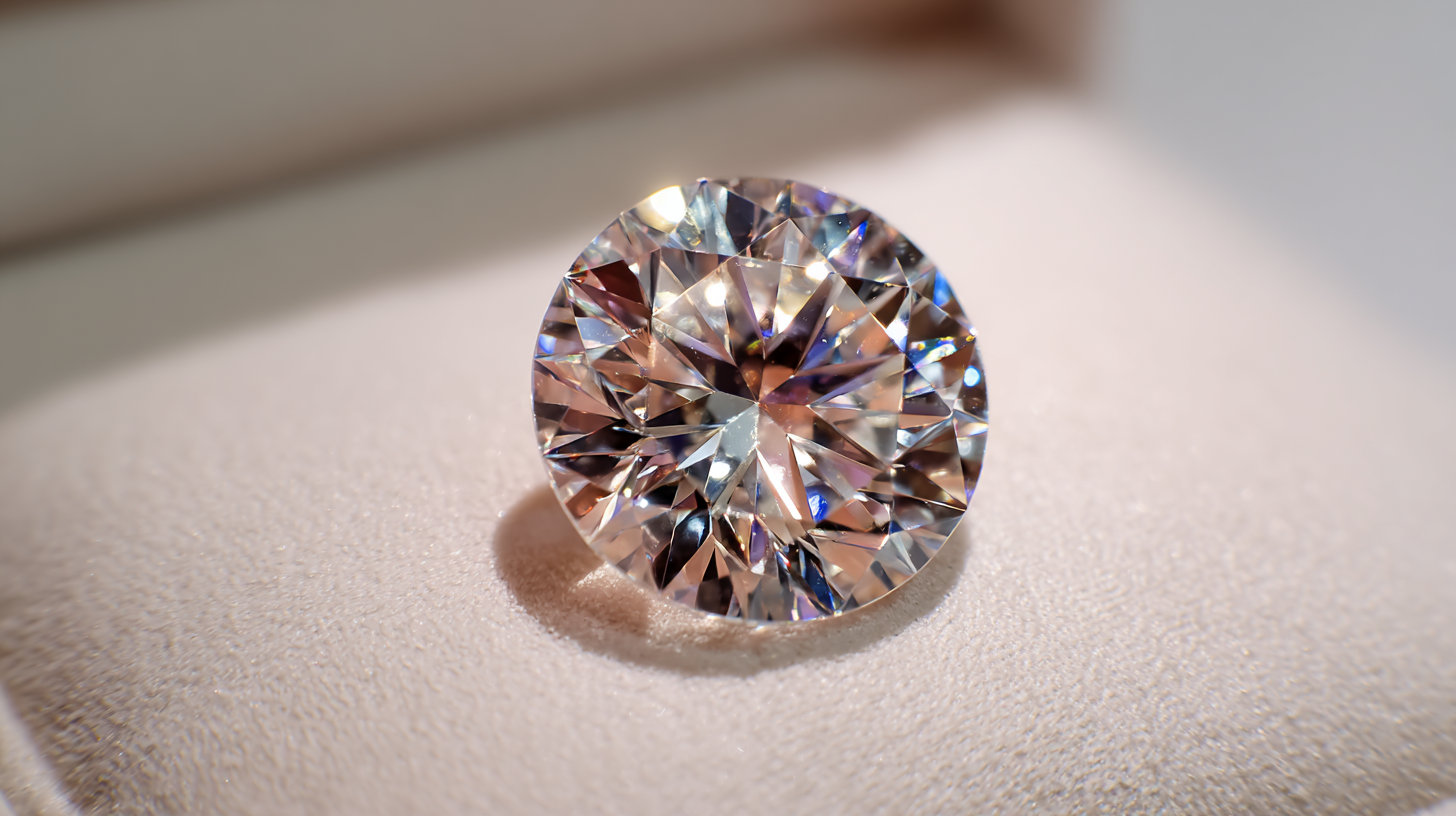
A flaw is an imperfection that weakens or diminishes something — whether it’s a crack in a gemstone, a bug in software, or a fault in someone’s character.
“flaw” は宝石のひび割れから、ソフトウェアのバグ、人格の欠点まで、「何かを損なう不完全さ」を表す語です。
以下は英単語 “flaw” に関するストーリー型学習コンテンツです。まずは大枠の意味を理解して最後の文章で確認しましょう。
“flaw” の主な意味(main meaning)
| 品詞 | 意味(日本語) | 英語定義 | 英語例文 | IPA発音記号 |
|---|---|---|---|---|
| n. | 欠陥・傷・ひび | A mark, fault, or other imperfection that mars a substance or object | The gemologist found a flaw deep inside the diamond. | /flɔː/ |
| n. | 欠点・弱点(性格・計画など) | A fault or weakness in a person’s character, a plan, or an argument | Pride was his fatal flaw — it cost him everything. | /flɔː/ |
| n. | 法的・論理的な瑕疵 | An error or weakness that makes something invalid or less effective | The lawyer identified a critical flaw in the contract. | /flɔː/ |
| v. | 傷をつける・損なう | To spoil or impair something, making it less perfect or effective | A single oversight flawed an otherwise brilliant proposal. | /flɔː/ |
“flaw” の語源(etymology)
古ノルド語 flaga(石板・平らな石)またはスカンジナビア語 flaga(突風・炎の一閃)に由来するとされ、「表面に走るひび・割れ目」が原義。14世紀の英語では主に宝石・金属の「内部の割れ目」を指した。後に「表面に見えない内部の欠陥」というニュアンスが人格・論理・計画へと比喩的に拡張した。
核となるイメージ: “A flaw is a hidden crack — it may not be visible at first, but under pressure, it’s where everything breaks.”
“flaw” の類義語(synonyms)
| 類義語 | 基本的な意味 | 対象単語とのニュアンスの違い | 英語例文 |
|---|---|---|---|
| defect | 欠陥・不良 | 製品・機能面の不備を指すことが多く、より技術的・客観的なニュアンス | The car was recalled due to a manufacturing defect. |
| fault | 欠点・過失 | 責任や原因の所在を含む。「誰かのせい」という含意が生まれやすい | The accident was entirely his fault. |
| imperfection | 不完全さ・瑕疵 | flawより柔らかく許容的なニュアンス。美・芸術の文脈でポジティブに使われることもある | She embraced her imperfections with confidence. |
| blemish | しみ・汚点 | 主に外見上の欠点(肌・評判など)。内部構造より表面の問題を指す | A small blemish on the painting lowered its value. |
| weakness | 弱点・脆弱性 | 能力・性格の不足を指す。flawより深刻でない印象 | His main weakness is impatience under pressure. |
| crack | ひび・亀裂 | 物理的な割れ目が原義。比喩的に「制度・関係のほころび」にも使う | Cracks began to appear in their partnership. |
“flaw” の反義語(antonyms)
| 反義語 | 基本的な意味 | 英語例文 |
|---|---|---|
| perfection | 完璧さ | No product achieves absolute perfection. |
| strength | 強み・長所 | Her greatest strength is her ability to stay calm. |
| virtue | 美徳・長所 | Patience is a virtue that serves him well in negotiations. |
“flaw” のコロケーション(collocations)
| コロケーション | 基本的な意味 | 英語例文 |
|---|---|---|
| fatal flaw | 致命的な欠陥 | Overconfidence was the fatal flaw in their strategy. |
| fundamental flaw | 根本的な欠陥 | The report contains a fundamental flaw in its methodology. |
| critical flaw | 重大な欠陥 | A critical flaw in the design was discovered during testing. |
| character flaw | 性格上の欠点 | Jealousy is a character flaw he has struggled to overcome. |
| flaw in the argument | 議論の論理的欠陥 | She quickly spotted a flaw in the argument during the debate. |
| expose a flaw | 欠点を露わにする | The stress test exposed a flaw in the system’s security. |
| overlook a flaw | 欠点を見逃す | The inspector overlooked a flaw that later caused problems. |
“flaw” の2項表現(binomials)
| 2項表現 | 基本的な意味 | 英語例文 |
|---|---|---|
| flaws and all | 欠点も含めて・あるがままに | She accepted him, flaws and all, without hesitation. |
| flaw or fault | 欠陥か過失か(責任の所在) | The judge must determine whether it was a flaw or fault in the design. |
| strengths and flaws | 長所と短所 | A good leader understands both the strengths and flaws of their team. |
英語ストーリー(english story)
“Flaws and All”
The quarterly presentation was three days away, and Aya had spent two weeks building the market analysis from scratch. She was proud of it — until Mr. Tanaka sat down beside her and said, quietly, “I think there may be a flaw in the data.”
Aya’s stomach dropped. “Where?”
He pointed to the third slide. “The growth projection. You’ve used last year’s figures as the baseline, but the fiscal year boundary shifted in April. The numbers are off by about twelve percent.”
She stared at the screen. He was right. It was a fundamental flaw — not a small blemish, not a minor weakness, but the kind of crack that could collapse an entire argument the moment someone pressed on it.
“I should have caught that,” she said.
“You built the whole report in two weeks,” Mr. Tanaka said. “That’s not a character flaw. That’s just one overlooked figure.”
Kenji wandered over, coffee in hand. “What happened?”
“Fatal flaw in the data,” Aya said flatly.
“Ah.” He nodded with the calm of someone who had been there before. “The expose-a-flaw-three-days-before-the-presentation experience. Classic.”
Ms. Fujino appeared from her desk. “How bad is it?”
“Fixable,” Mr. Tanaka said, before Aya could answer. “She’s identified it now. The flaw in the argument disappears once the baseline is corrected. It’s one number.”
Aya pulled up the source data and began recalculating. By the time Ms. Hino brought tea around, the revised figures were on screen. The growth curve looked different — more conservative, but more accurate.
“Better,” Mr. Tanaka said, studying it. “You didn’t overlook a flaw in the final product. You caught it in time.”
“You caught it,” Aya corrected.
“We caught it,” he said simply. “Strengths and flaws — that’s why we check each other’s work.”
She saved the file, leaned back, and exhaled. The presentation wasn’t perfect. But it no longer had a crack running through its foundation — and that, she decided, was enough.
和訳
「欠点も含めて」
四半期プレゼンまで三日、彩は二週間かけてゼロから市場分析を作り上げていた。自分でも誇りに思っていた——田中さんが隣に座り、静かに言うまでは。「データに欠陥(flaw)があるかもしれません」
胃が沈む感覚があった。「どこですか?」
彼は三枚目のスライドを指さした。「成長予測です。昨年度の数字をベースラインにしていますが、4月に会計年度の区切りが変わっています。数字が約12%ずれています」
彩は画面を見つめた。彼の言う通りだった。それは根本的な欠陥(fundamental flaw)だった——小さな汚点(blemish)でも軽微な弱点(weakness)でもなく、誰かが突いた瞬間に論全体を崩しかねない種類の亀裂だった。
「私が気づくべきでした」と彼女は言った。
「二週間で全部作ったんです」田中さんは言った。「それは性格上の欠点(character flaw)じゃない。見落とした数字が一つあっただけです」
健二がコーヒーを片手にやってきた。「何があったの?」
「データに致命的な欠陥(fatal flaw)が」と彩は端的に言った。
「ああ」彼は経験者の落ち着きでうなずいた。「プレゼン三日前に欠点が露わになる(expose a flaw)やつ。あるある」
藤野さんが席から顔を上げた。「どのくらいまずいの?」
「修正できます」と田中さんは彩より先に答えた。「今気づきましたから。ベースラインを修正すれば議論の欠陥(flaw in the argument)は消えます。数字一つの問題です」
彩はソースデータを開いて再計算を始めた。火野さんがお茶を配りに来る頃には、修正した数字が画面に並んでいた。成長曲線は違って見えた——より保守的だが、より正確だった。
「よくなりました」田中さんは眺めながら言った。「完成品の欠陥を見逃した(overlook a flaw)わけじゃない。間に合った」
「気づいたのは田中さんです」と彩は言い直した。
「二人で気づいた」と彼は簡潔に言った。「長所と短所(strengths and flaws)——だからお互いの仕事を確認し合うんです」
彼女はファイルを保存し、背もたれに寄りかかって息を吐いた。プレゼンは完璧じゃない。でも、もう土台にひびは走っていない——それで十分だ、と彼女は思った。
“flaw” のQ&A
- Q“flaw” の最も基本的な意味は何ですか?
- A
「欠陥・ひび・不完全さ」が中心的な意味です。物理的な傷(宝石のひびなど)から、性格・計画・論理の欠点まで幅広く使います。
- Q“fatal flaw” とはどういう意味ですか?
- A
「致命的な欠陥」を意味します。ギリシャ悲劇の「ハマルティア(悲劇的欠点)」概念と結びつき、英雄の没落を招く性格上の弱点を指すことも多い、文学的にも重要な表現です。
- Q“flaw” と “defect” はどう違いますか?
- A
defect は製品・機能の技術的な不良を指すことが多く、より客観的・工業的なニュアンスです。flaw はより広く、性格・論理・芸術作品の欠点にも使えます。
- Q“flaw” と “fault” の違いは?
- A
fault には「誰かのせいで生じた」という責任の含意が強く入ります。flaw は中立的に「欠点・不完全さ」を指すだけで、責任の所在を問いません。
- Q“flawed” を形容詞で使うと?
- A
「欠陥のある・不完全な」という形容詞です。”a flawed argument”(論理に欠陥がある議論)、”deeply flawed”(根本的に欠陥がある)のように使います。
- Q“flaws and all” とはどういう表現ですか?
- A
「欠点も含めて・あるがままに」という意味のイディオムです。”I love you, flaws and all.” のように、欠点を受け入れる姿勢を表す場面でよく使われます。
- Qビジネス文書で “flaw” を使う場面は?
- A
「契約の瑕疵(a flaw in the contract)」「設計上の欠陥(a flaw in the design)」「調査方法の根本的欠陥(a fundamental flaw in the methodology)」など、問題点を客観的に指摘する場面で頻出します。
- Q“flaw” の動詞用法はありますか?
- A
あります。「〜に欠陥をもたらす・損なう」という意味で、”The scandal flawed his reputation permanently.” のように使います。ただし動詞用法は形容詞 flawed に比べて頻度は低いです。
- Q“character flaw” はどんな文脈で使いますか?
- A
文学・心理学・日常会話で「性格上の欠点」を指します。”His character flaw is that he never admits mistakes.” のように使い、自己成長や人物分析の文脈で特によく登場します。
- Q“flaw” の発音と注意点は?
- A
/flɔː/(フロー)と発音します。floor /flɔːr/ や flow /floʊ/ と混同しやすいので注意。アメリカ英語では「フロー」、イギリス英語では「フロー」とほぼ同じですが、r音の有無で微妙に異なります。
類義語クイズ
- Q次のシーンで最も自然な表現を選んでください。「製品レビューで、スマートフォンの製造過程における品質上の問題点を技術的に指摘したい。」 A. The phone has a character flaw in the battery. B. The phone has a manufacturing defect in the battery. C. The phone has a blemish in the battery. D. The phone has a weakness in the battery.
- A
正解は B。defect は製品・機能の技術的な不良を指す最も適切な語で、”manufacturing defect”(製造上の欠陥)は品質管理・リコール・レビューで標準的に使われる表現です。A(character flaw)は人格の欠点を指す表現で、製品には使いません。C(blemish)は主に外見上の汚れ・傷を指し、バッテリーの機能的問題には不自然。D(weakness)は能力・構造の弱さを示しますが、製造工程の具体的な不良を指す技術的な文脈には defect の方が正確です。

コメント