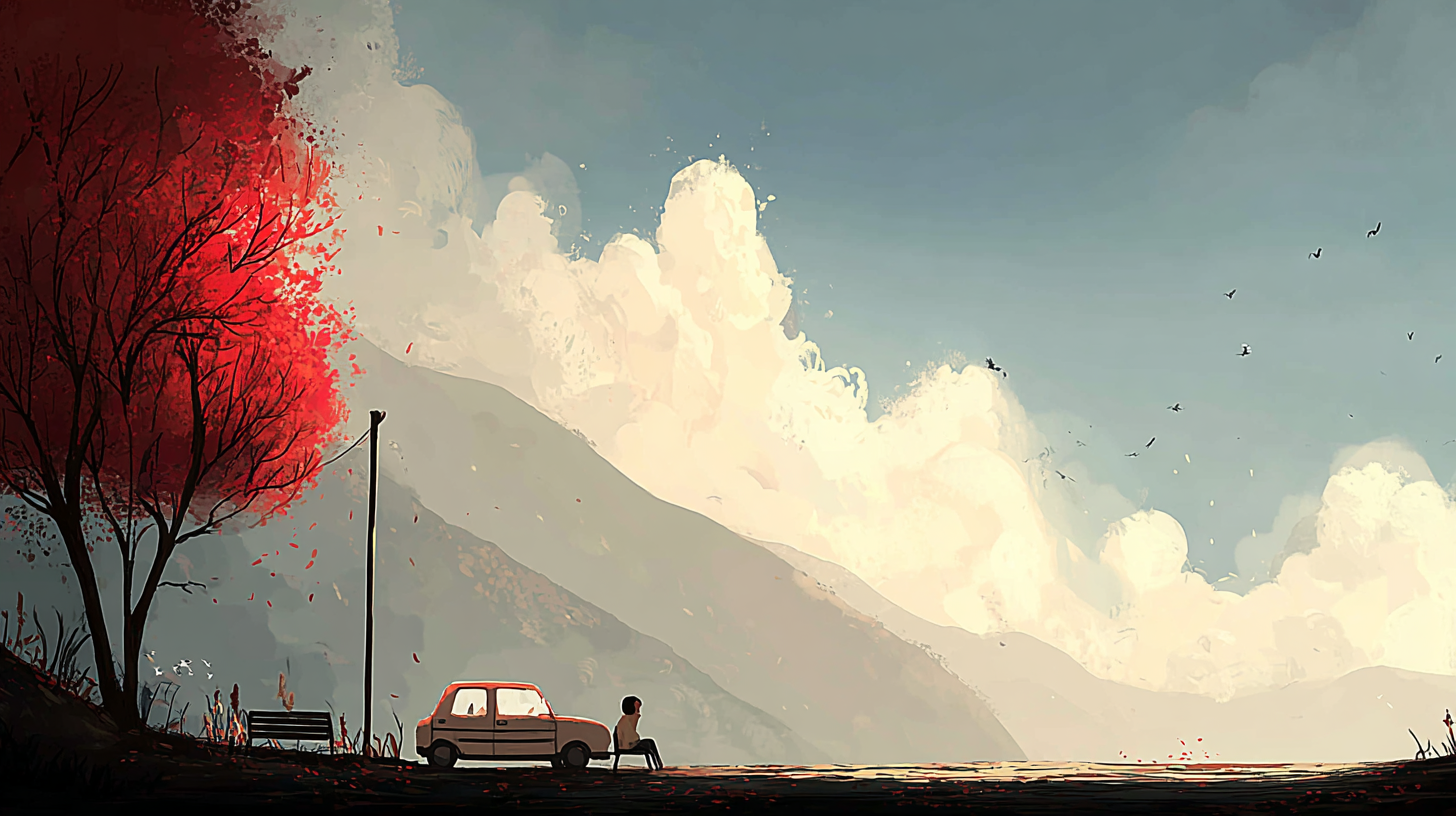
To relax your body or mind, or to lie down to feel better.
体や心を休めること。または、体を横にして楽にすること。
以下は英単語 “rest” に関するストーリー型学習コンテンツです。まずは大枠の意味を理解して最後の文章で確認しましょう。
主な意味(main meaning)
| 品詞 | 意味 | 発音記号(IPA) | 英語例文 |
|---|---|---|---|
| 名詞 | 休息、休み | /rest/ | She took a short rest after lunch. |
| 動詞 | 休む、横になる | /rest/ | He rested on the bench after running. |
語源(etymology)
「rest」は古英語の「ræst」から来ており、「横になること、停止、静止」というイメージがもとになっています。心と体を一時的に止めて楽にするイメージです。
類義語(synonyms)
| 類義語 | 英語例文 |
|---|---|
| relax | I like to relax with a good book. |
| take a break | Let’s take a break and get some coffee. |
| pause | He paused the game to answer the phone. |
| sleep | She went to sleep early last night. |
反義語(antonyms)
| 反義語 | 英語例文 |
|---|---|
| work | He works every weekend at the store. |
| move | She kept moving even when she was tired. |
コロケーション(collocations)
| コロケーション | 英語例文 |
|---|---|
| rest area | We stopped at a rest area on the highway. |
| get some rest | You look tired. You should get some rest. |
| rest your eyes | I closed my book to rest my eyes. |
| well-deserved rest | After the long hike, we enjoyed a well-deserved rest. |
| rest in peace | He was a kind man. May he rest in peace. |
2項表現(binomials)
| 2項表現 | 英語例文 |
|---|---|
| rest and relax | It’s important to rest and relax on weekends. |
| stop and rest | Let’s stop and rest for a while. |
英語ストーリー(english story)
Title: A Day at the Rest Area
Lisa had been driving for hours. She was on her way to visit her grandmother who lived in another city. After three hours on the road, her eyes felt heavy and her back was starting to ache. “I need to rest,” she said to herself. Just then, she saw a sign for a rest area.
She pulled over and parked her car. It was quiet and peaceful. Lisa got out, stretched her legs, and took a deep breath. She sat on a bench under a tree and closed her eyes to rest her eyes. A gentle breeze blew through the trees, helping her to relax.
Nearby, a family was having a picnic. The children were running around while the parents enjoyed sandwiches. Lisa smiled. It was the perfect place to stop and rest. She remembered her friend telling her, “Always take a break when you’re tired. A short pause can make a big difference.”
After about twenty minutes, Lisa felt much better. “That was a well-deserved rest,” she said. She got back into her car and continued driving. She knew the importance of rest and relaxation, especially on a long journey.
When she finally reached her grandmother’s house, her grandmother greeted her with a warm hug. “You look happy and refreshed,” she said.
“I am,” Lisa replied. “I made sure to get some rest along the way.”
和訳
タイトル:休憩所での一日
リサは何時間も運転していました。彼女は別の町に住む祖母を訪ねる途中でした。3時間運転した後、目が重くなり、背中も痛み始めました。「休まなきゃ(rest)」と彼女は思いました。ちょうどそのとき、「休憩所(rest area)」の看板が目に入りました。
彼女は車を止めて駐車しました。そこは静かで落ち着いた場所でした。リサは車から降りて足を伸ばし、深呼吸をしました。木の下のベンチに座り、目を閉じて**目を休め(rest her eyes)ました。木々を通り抜ける穏やかな風が彼女をリラックス(relax)**させました。
近くでは家族がピクニックをしていました。子どもたちは走り回り、両親はサンドイッチを楽しんでいました。リサは微笑みました。ここは**立ち止まって休む(stop and rest)のにぴったりの場所です。彼女は友人の言葉を思い出しました。「疲れたときは必ず休憩(break)を取ること。短い一時停止(pause)**が大きな違いを生むんだよ。」
20分ほどすると、リサはすっかり元気になりました。「**十分に値する休憩(well-deserved rest)だったわ」と彼女は言いました。そしてまた車に乗り込み、運転を再開しました。彼女は長旅では休息とリラックス(rest and relaxation)**の重要性をよくわかっていました。
祖母の家に着くと、祖母はあたたかいハグで迎えてくれました。「元気そうね」と祖母が言いました。
「うん、**しっかり休み(get some rest)**ながら来たからね」とリサは答えました。
Q&A
Q: 「rest」と「relax」の違いは?
A: 「rest」は体を動かすのをやめて、静かにすることが中心です。ベッドやベンチで横になったり座ったりすることが多いです。
「relax」は体や心の緊張をほぐすことに重点があり、音楽を聴いたり、お風呂に入ったりして気分を落ち着けることも含まれます。
Q: 「rest」と「take a break」の違いは?
A: 「take a break」は、作業や勉強の途中に短い休みを取ることで、立ち上がったり歩いたりすることもあります。
一方、「rest」は座ったり横になったりして、体そのものを休めることを指すことが多いです。
Q: 「rest」と「pause」の違いは?
A: 「pause」は動作や話などを一時的に止めることに使われ、短くてすぐ再開する前提です。
「rest」はもう少し長く、疲れた体や頭を回復させるための休息を意味します。
Q: 「rest」と「sleep」の違いは?
A: 「sleep」は「眠ること」で、意識がなくなって深い休息を取る行為です。
「rest」は眠る必要はなく、目を閉じて横になるだけでも含まれます。
Q: 「rest」と「work」の違いは?
A: 「work」は体や頭を使って何かをする活動全般を指します。
「rest」はその逆で、活動を止めて体や心を休ませることです。
Q: 「rest」と「move」の違いは?
A: 「move」は何かをする、移動する、動き続けることを指します。
「rest」は動きを止めてじっとしていることを意味します。
Q: 「rest」と「get some rest」の違いは?
A: 「get some rest」は「(少し)休む」「休息を取る」という意味の決まり文句で、丁寧な表現です。
「rest」だけでも意味は通じますが、「get some rest」は体調を気遣う場面などでよく使われます。
Q: 「rest」と「rest your eyes」の違いは?
A: 「rest your eyes」は目を閉じて目の疲れを取るという具体的な表現です。
「rest」はもっと広い意味で、体や心全体を休めることも含みます。
Q: 「rest」と「well-deserved rest」の違いは?
A: 「well-deserved rest」は「よく働いた後のふさわしい休息」という意味で、努力のあとに得る特別な休みを表します。
単に「rest」という場合は、一般的な休息を指します。
Q: 「rest」と「rest area」の違いは?
A: 「rest」は行為(休むこと)ですが、「rest area」は名詞で、実際に車を止めて休憩できる場所(休憩所)を指します。


コメント