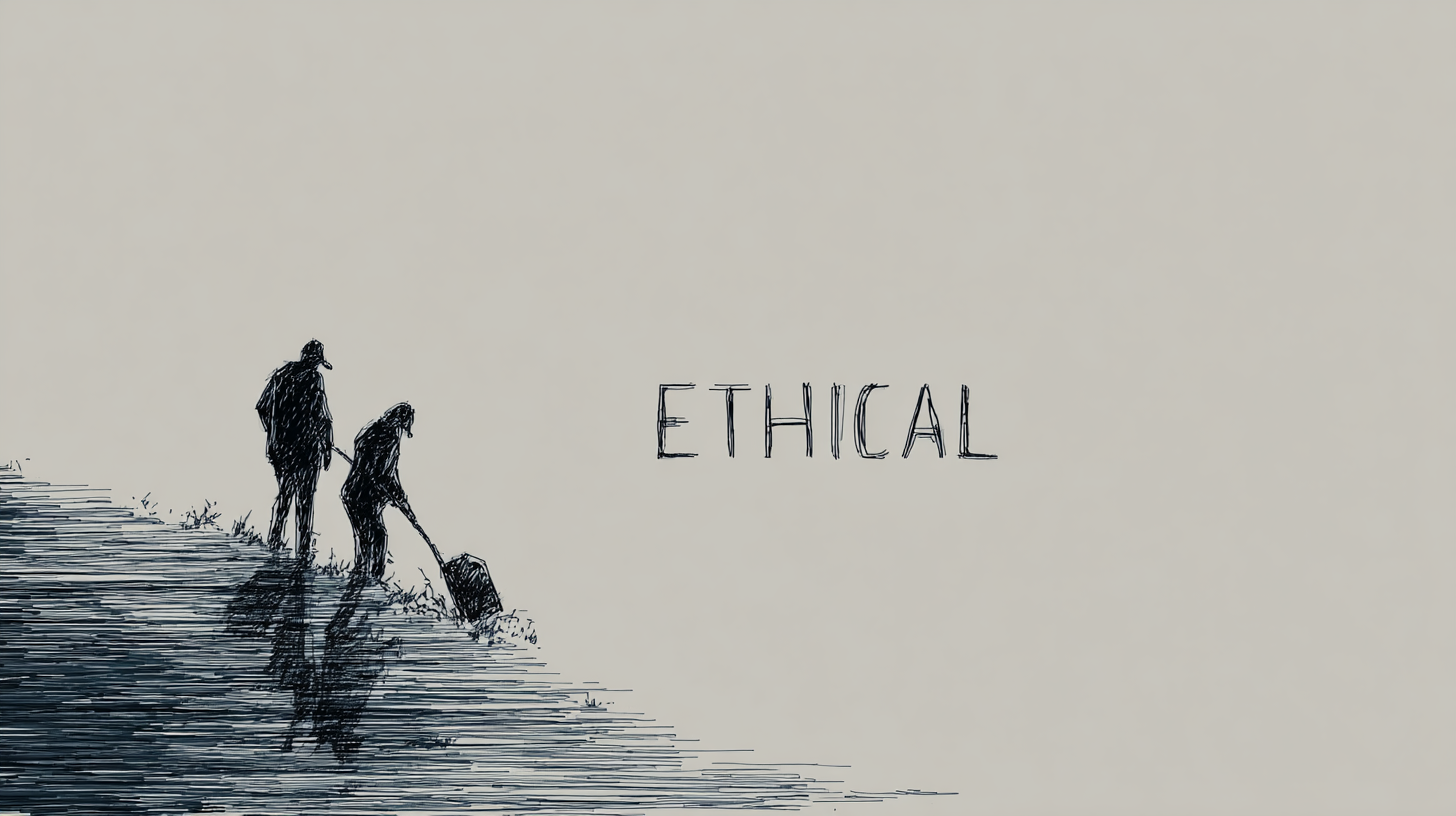
Ethical means doing the right thing and being fair.
ethical は「正しいこと ずるくないこと」を大事にする という意味だよ。
以下は英単語 “ethical” に関するストーリー型学習コンテンツです。まずは大枠の意味を理解して最後の文章で確認しましょう。
「ethical」の主な意味(main meaning)
| 品詞 | 意味 | 簡潔な英語定義 | 英語例文 | 発音記号(IPA) |
|---|---|---|---|---|
| adjective | 倫理的な 道徳的な | relating to what is right and wrong | Our team must make an ethical decision. | /ˈeθɪkəl/ |
| adjective | (仕事や研究で)ルールや職業倫理に沿った | following accepted professional rules | The company follows ethical guidelines. | /ˈeθɪkəl/ |
| adjective | (商品や取引が)人や環境に配慮した | made or done without harming people or the environment | She prefers ethical products when possible. | /ˈeθɪkəl/ |
「ethical」の語源(etymology)
ethical はギリシャ語の ethikos(習慣や性格に関する)に由来し その元は ethos(習慣 性格)です。
核となるイメージは「その人や組織の ふだんのやり方が 正しいかどうか」です。
「ethical」の類義語(synonyms)
| 類義語 | 基本的な意味 | 指定単語とのニュアンスの違い | 英語例文 |
|---|---|---|---|
| moral | 道徳的な | ethical は「判断や行動が正しいか」に焦点 moral は「心の中の良い悪いの感覚」に近い | He made a moral choice even when it was hard. |
| principled | 信念を守る | ethical は一般的な正しさ principled は「自分のルールを曲げない強さ」が強い | She is principled and never lies to clients. |
| upright | まっすぐで誠実 | ethical は基準に合うか upright は「人柄が正直で清い感じ」 | Everyone trusts him because he is upright. |
| honorable | 立派で名誉を大切にする | ethical は正しさ全般 honorable は「誇りや名誉を守る」感じが強い | It was honorable of her to admit the mistake. |
| conscientious | まじめで丁寧 | ethical は善悪の判断 conscientious は「手を抜かず責任感が強い」 | He is conscientious about checking every detail. |
「ethical」の反義語(antonyms)
| 反義語 | 基本的な意味 | 英語例文 |
|---|---|---|
| unethical | 非倫理的な | It would be unethical to hide the results. |
| immoral | 不道徳な | Cheating customers is immoral. |
「ethical」のコロケーション(collocations)
| コロケーション | 日本語の意味 | 英語例文 |
|---|---|---|
| ethical standards | 倫理基準 | We must follow ethical standards in every project. |
| ethical decision | 倫理的な判断 | She faced an ethical decision about the data. |
| ethical issue | 倫理的な問題 | There is an ethical issue with using that photo. |
| ethical guidelines | 倫理ガイドライン | New employees learn our ethical guidelines. |
| ethical behavior | 倫理的な行動 | Leaders should model ethical behavior. |
「ethical」の2項表現(binomials)
| 2項表現 | 日本語の意味 | 英語例文 |
|---|---|---|
| right and wrong | 正しいことと間違い | The policy helps us tell right and wrong at work. |
| rules and regulations | 規則と規制 | We must follow the rules and regulations in finance. |
| fair and square | 正々堂々と | He won the contract fair and square. |
英語ストーリー(english story)
On Monday morning, Aya walked into the office earlier than usual. She worked for a small marketing company, and this week they had a big presentation for a new client. The client sold health drinks, and everyone wanted the contract because it could bring steady work for a long time.
Aya opened her laptop and checked the files from last week. While she was reviewing the numbers, she noticed something strange. The report showed that the drink improved sleep by 40 percent, but the test results in the folder looked much weaker. At first, she thought she had opened the wrong file. She checked again, carefully, because she was conscientious about details.
A few minutes later, her coworker Ken arrived with coffee. “You’re here early,” he said.
“I found something,” Aya replied. “These results don’t match the report we plan to show. This might become an ethical issue.”
Ken frowned. “Maybe the client gave us the final data later.”
“Maybe,” Aya said, “but we should confirm. I don’t want to present something that isn’t true.”
Before Ken could answer, their manager, Ms. Sato, called them into the meeting room. “Good news,” she said. “The client loves our draft slides. If we do well on Friday, we can win this contract fair and square.”
Aya hesitated. “Ms. Sato, can I ask about the data on sleep improvement? I’m worried it may not be accurate.”
Ms. Sato’s smile became smaller. “The client’s team asked us to highlight the strongest message,” she said. “Marketing is about impact.”
“I understand,” Aya said, “but we still need ethical standards. If the data is not solid, we should not claim 40 percent. That would be unethical.”
Ken shifted in his chair. Ms. Sato looked at him, then back at Aya. “Are you saying we should change the slides?”
“I’m saying we need an ethical decision,” Aya answered. “We can still create a strong message without numbers we can’t support. It’s the difference between right and wrong.”
After the meeting, Aya and Ken returned to their desks. Ken spoke quietly. “I agree with you, but I’m worried. If we push back, we might lose the client.”
Aya nodded. “I’m worried too. But being ethical matters. Also, if we get caught later, we could lose more than one client.”
Ken sighed. “You’re principled, you know that?”
Aya gave a small smile. “I try. I just want to be upright about our work.”
That afternoon, Aya emailed the client’s contact person and asked for the original study documents. She wrote in a polite, honorable way, explaining that the company wanted to follow ethical guidelines and present the information correctly.
The reply arrived the next day. The client admitted that the 40 percent number came from a small test with only ten people. The larger test showed a much smaller improvement. “But the big number sells,” the client wrote.
Aya took the email to Ms. Sato. “Here is the source,” she said. “If we present 40 percent as a general result, that is misleading. It could be considered immoral if customers buy the drink based on false expectations.”
Ms. Sato read the email slowly. She leaned back and stayed silent for a moment. “I don’t like this,” she said, “but I see your point. We must follow the rules and regulations, and we also have our company values.”
Aya felt relief, but she stayed calm. “We can still impress them,” she said. “We can talk about better sleep habits and say the drink may help some people, based on limited evidence. We can focus on customer stories, not exaggerated numbers.”
Ms. Sato nodded. “All right. Let’s revise. I want everyone to show ethical behavior, even when it’s uncomfortable.”
On Friday, the team stood in the client’s conference room. Ken presented the new slides. Aya watched carefully. The message was clear, and the wording was careful. Ken said, “In a small test, some people reported better sleep. We are continuing research to learn more.” He did not hide the limits, but he still sounded confident.
The client’s director looked surprised. “Why did you remove the 40 percent claim?”
Ms. Sato answered, “Because we want to be ethical. We want a long partnership built on trust. If we promise too much now, it may harm your brand later.”
The director was quiet, then he laughed softly. “Honestly, most agencies would just say whatever we want,” he said. “But your team seems moral and reliable.”
After the meeting, the client called Ms. Sato back. They did not accept every change, but they agreed to remove the strongest claim and add a note about the study size. They still signed the contract.
Back at the office, Ken raised his coffee cup. “We won,” he said. “And we did it without crossing the line.”
Aya smiled. “That’s the best kind of win,” she said. “Ethical, clear, and fair.”
和訳
月曜日の朝 彩はいつもより早くオフィスに入った。彼女は小さなマーケティング会社で働いていて 今週は新しい取引先に向けた大事なプレゼンがあった。取引先は健康ドリンクを売っており この契約は長く安定した仕事につながるので みんなが欲しがっていた。
彩はノートパソコンを開き 先週のファイルを確認した。数字を見直していると 変だと思う点に気づいた。資料には睡眠が40パーセント良くなると書いてあるのに フォルダ内のテスト結果はもっと弱かった。最初は別のファイルを開いたのだと思った。彼女は細部を丁寧に確認する性格なので(conscientious:まじめで丁寧) もう一度慎重に確かめた。
数分後 同僚のケンがコーヒーを持って来た。
「早いね」
「気になることがあるの。この結果と これから見せる報告が合ってない。倫理的な問題(ethical issue:倫理的な問題)になりそう」
ケンは眉をひそめた。
「取引先が後で最終データをくれたのかも」
「そうかもしれない。でも確認しよう。根拠がないことは言いたくない」
その直後 マネージャーの佐藤さんが会議室に呼んだ。
「いい知らせよ。取引先はスライド案が気に入った。金曜にうまくいけば 正々堂々と(fair and square:正々堂々と)契約を取れる」
彩はためらいながら言った。
「佐藤さん 睡眠改善のデータについて聞いてもいいですか。正確じゃないかもしれなくて」
佐藤さんの笑顔は小さくなった。
「取引先は一番強いメッセージを目立たせたいのよ。マーケティングはインパクトだから」
彩は言った。
「分かります。でも倫理基準(ethical standards:倫理基準)が必要です。データが弱いなら40パーセントと言うべきではありません。それは非倫理的(unethical:非倫理的)です」
ケンは椅子の上で少し動いた。佐藤さんはケンを見てから 彩を見た。
「スライドを変えるべきだと言うの?」
「倫理的な判断(ethical decision:倫理的な判断)が必要だと言っています。数字に頼らなくても強いメッセージは作れます。仕事での正しいことと間違い(right and wrong:正しいことと間違い)の違いです」
会議のあと 彩とケンは席に戻った。ケンは小声で言った。
「君に賛成だけど 不安だ。反対したら取引先を失うかも」
彩はうなずいた。
「私も不安。でも倫理的(ethical:倫理的)であることは大事。もし後でバレたら 一社以上を失うかもしれない」
ケンはため息をついた。
「君は信念を守る人だね(principled:信念を守る)」
彩は少し笑った。
「そうありたい。仕事はまっすぐ誠実に(upright:まっすぐ誠実に)やりたい」
その日の午後 彩は取引先担当者にメールを送り 元の研究資料を求めた。会社が倫理ガイドライン(ethical guidelines:倫理ガイドライン)に従い 正しく伝えたいことを 丁寧で立派な姿勢で(honorable:立派で名誉を大切にする)書いた。
翌日 返信が来た。40パーセントという数字は10人だけの小さなテストから出たもので 大きいテストでは改善はもっと小さかった。
「でも大きい数字の方が売れる」と取引先は書いていた。
彩はそのメールを佐藤さんに見せた。
「これが根拠です。40パーセントを一般的な結果として出すのは誤解を招きます。うそを前提に買わせるなら 不道徳(immoral:不道徳)と言われる可能性もあります」
佐藤さんはゆっくり読んだ。少し黙ってから言った。
「正直 いやだけど 理解した。私たちは規則と規制(rules and regulations:規則と規制)を守らないといけないし 会社の価値観もある」
彩はほっとしたが 落ち着いて言った。
「まだ勝てます。睡眠の良い習慣の話をして この商品は一部の人には助けになるかもしれないと 限られた証拠として言えます。数字を誇張せず お客さんの体験談に焦点を当てましょう」
佐藤さんはうなずいた。
「よし 修正しよう。みんなに倫理的な行動(ethical behavior:倫理的な行動)をしてほしい。不快でもね」
金曜日 チームは取引先の会議室に立った。ケンが新しいスライドを説明した。彩は注意深く見守った。メッセージは分かりやすく 言い方も丁寧だった。ケンは「小さなテストでは 眠りが良くなったと感じた人がいました。今後も研究を続けます」と言った。限界を隠さず それでも自信を持って話した。
取引先の責任者は驚いた顔をした。
「なぜ40パーセントの主張を外したの?」
佐藤さんは答えた。
「私たちは倫理的(ethical:倫理的)でありたいからです。信頼に基づく長い関係を作りたい。今 約束しすぎると 後で御社のブランドを傷つけます」
責任者は黙ってから 小さく笑った。
「正直 ほとんどの代理店なら こちらの言う通りに何でも言うでしょう。でもあなたたちは道徳的(moral:道徳的)で信頼できそうだ」
会議のあと 取引先は佐藤さんを呼び戻した。すべての変更が通ったわけではないが 一番強い主張を外し 研究の規模について注記を入れることに同意した。そして契約書にサインした。
オフィスに戻ると ケンはコーヒーカップを上げた。
「勝ったね。しかも一線を越えずに」
彩は笑った。
「それが一番いい勝ち方だよ。倫理的で 分かりやすく 公平にね」
「ethical」のQ&A
- Qethical はどんな意味ですか
- A
ethical は正しいことを大事にして ずるをしないという意味です
- Qethical と moral の違いは何ですか
- A
ethical は行動や判断が正しいかに注目し moral は心の中の善悪の感覚に近いです
- Qethical と principled の違いは何ですか
- A
ethical は一般的な正しさで principled は自分の信念を曲げない強さが強いです
- Qethical と upright の違いは何ですか
- A
ethical は基準に合うかで upright は人柄が正直でまっすぐな感じです
- Qethical と honorable の違いは何ですか
- A
ethical は正しい行い全般で honorable は名誉や誇りを守る感じが強いです
- Qethical と conscientious の違いは何ですか
- A
ethical は善悪の判断で conscientious は手を抜かず責任感が強いことです
- Qethical の反対の言葉は何ですか
- A
unethical と immoral が反対で どちらも正しくない行いを表します
- Qethical standards とは何ですか
- A
ethical standards は仕事で守るべき倫理の基準のことです
- Qethical decision はどんな場面で使いますか
- A
正しいかどうか迷う判断をするときに ethical decision と言います
- Qethical guidelines は何のためにありますか
- A
会社や学校で どう行動すべきかを示す倫理のルールとして ethical guidelines があります


コメント