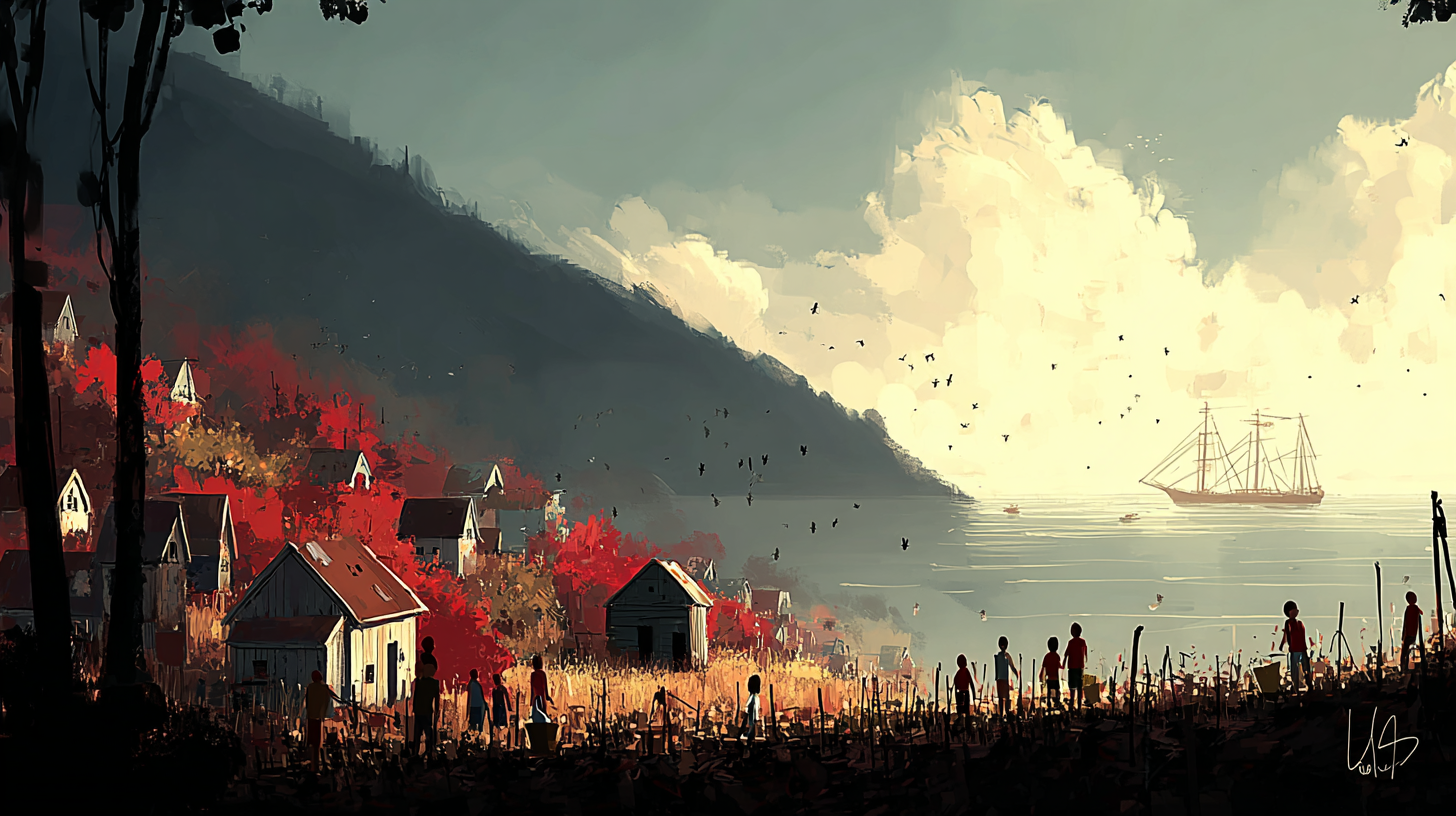
A colony is a place that is controlled by another country.
「colony」とは、別の国に支配されている場所のことです。
以下は英単語 “colony” に関するストーリー型学習コンテンツです。まずは大枠の意味を理解して最後の文章で確認しましょう。
主な意味(main meaning)
| 品詞 | 意味 | 発音記号 | 英語例文 |
|---|---|---|---|
| 名詞 (noun) | 他の国によって支配されている地域 | /ˈkɒləni/ | India was once a British colony. |
語源(etymology)
「colony」はラテン語 colonia(耕作地、移住地)に由来し、もともとは「農業のために他の土地に移り住んだ人々の場所」という意味でした。この語源から、「自分の国ではない場所に人が住んで支配する」イメージが生まれました。
類義語(synonyms)
| 類義語 | 英語例文 |
|---|---|
| settlement | The first English settlement in America was Jamestown. |
| territory | This island is a territory of France. |
| outpost | The military built an outpost in the desert. |
| dependency | Hong Kong was once a British dependency. |
反義語(antonyms)
| 反義語 | 英語例文 |
|---|---|
| independent state | India became an independent state in 1947. |
| sovereign nation | Japan is a sovereign nation with its own government. |
コロケーション(collocations)
| コロケーション | 英語例文 |
|---|---|
| former colony | Australia is a former colony of the British Empire. |
| establish a colony | The explorers tried to establish a colony in the new land. |
| colonial rule | The country suffered under colonial rule for many years. |
| colony of ants | A colony of ants built a nest in the garden. |
| lose a colony | The empire lost its last colony in the 20th century. |
2項表現(binomials)
| 2項表現 | 英語例文 |
|---|---|
| colonies and territories | The book explains the history of colonies and territories. |
| freedom and independence | The people fought for freedom and independence from the colony. |
英語ストーリー(english story)
Title: From Colony to Nation
Anna was reading a history book in the library when she found a chapter titled “From Colony to Nation.” It talked about how India, once a British colony, became an independent state in 1947. She was amazed that a land so far away had been ruled by another country.
Her teacher, Mr. Lee, explained, “A colony is a place that is controlled by another country. The British Empire had many colonies and territories. They were under colonial rule for many years.”
Anna asked, “Was Australia a colony, too?”
“Yes,” said Mr. Lee. “It was a former colony of Britain. Now, it’s a sovereign nation. Many countries became free in the 20th century. People wanted freedom and independence.”
Later that day, Anna saw a colony of ants in her backyard. It reminded her of the book. Even ants form organized groups!
That weekend, her class visited a museum. They saw artifacts from early British settlements. One of the signs read, “This outpost became a major city.” The guide added, “Many colonies started as settlements or outposts.”
Anna thought, “So a colony starts when people establish a colony in a new land. Over time, it can become a country.”
She wrote in her report: “A colony is more than a piece of land—it’s a part of history.”
和訳
タイトル:植民地から国家へ
アンナは図書館で歴史の本を読んでいました。すると、「植民地から国家へ」という章を見つけました。それは、かつてイギリスの**植民地(colony)だったインドが、1947年に独立国家(independent state)**になったことについて書かれていました。遠く離れた土地が他の国に支配されていたことに、アンナは驚きました。
先生のリー先生が説明しました。「Colonyとは、他の国によって支配されている場所のことです。イギリス帝国は多くの**植民地と領土(colonies and territories)**を持っていました。彼らは長い間、**植民地支配(colonial rule)**を受けていたのです。」
アンナは尋ねました。「オーストラリアも**植民地(colony)**だったのですか?」
「そうです」と先生。「イギリスの**旧植民地(former colony)でした。今では主権国家(sovereign nation)です。20世紀には多くの国が自由になりました。人々は自由と独立(freedom and independence)**を求めたのです。」
その日の午後、アンナは裏庭で**アリの群れ(colony of ants)**を見ました。それが本の内容を思い出させました。アリですら組織されたグループを作るのです!
週末、クラスで博物館を訪れました。そこで初期のイギリス**入植地(settlements)の遺物を見ました。ある看板には「この前哨地(outpost)が大都市になった」と書かれていました。案内人が言いました。「多くの植民地(colonies)は、最初は入植地(settlements)や前哨地(outposts)**として始まりました。」
アンナは考えました。「つまり、**植民地(colony)は、新しい土地に人々が植民地を築く(establish a colony)**ことで始まる。そして、時が経てば国になるのですね。」
彼女はレポートにこう書きました。「Colonyとは単なる土地ではなく、歴史の一部なのです。」
Q&A
- Q「settlement」と「colony」の違いは何ですか?
- A
「settlement(入植地)」は、人が新しい土地に住み始めた初期の状態を指します。「colony(植民地)」は、その土地が他国に支配されるようになった状態を指すため、支配の意味が含まれます。
- Q「territory」は「colony」とどう違いますか?
- A
「territory(領土)」は、ある国に属する地域全般を指し、必ずしも他国の支配下にあるとは限りません。「colony(植民地)」は、別の国に支配されている地域のことです。
- Q「outpost」と「colony」の関係は?
- A
「outpost(前哨地)」は、新しい土地に置かれた軍や政府の拠点のことです。それが発展して人が住み始め、支配が及ぶようになると「colony」になることがあります。
- Q「independent state」はなぜ「colony」の反義語になるのですか?
- A
「independent state(独立国家)」は、自分自身で政治を行い、他国に支配されていない状態を指します。一方、「colony(植民地)」は他国に支配されているため、正反対の関係です。
- Q「colonial rule」とは何ですか?
- A
「colonial rule(植民地支配)」とは、植民地が本国によって統治されていた時代や状態を指します。政治、法律、教育などが本国の方針に従って行われていました。
- Q「former colony」はどんなときに使いますか?
- A
「former colony(旧植民地)」は、過去に植民地だったが、現在は独立した国になっている場合に使います。例:India is a former colony of Britain.
- Q「establish a colony」はどんな意味ですか?
- A
「establish a colony(植民地を築く)」は、ある国が新しい土地に人を送り、そこを支配下に置いて正式に植民地とすることを意味します。
- Q「colony of ants」はどういう意味ですか?
- A
「colony of ants(アリの群れ)」は、アリが集団で生活している様子を指します。動物や昆虫の集団にも「colony」という語が使われます。
- Q「colonies and territories」はどんな場面で使いますか?
- A
「colonies and territories(植民地と領土)」は、特に帝国や大国が持っていた広い支配領域をまとめて言うときに使われます。歴史や地理の文脈でよく登場します。
- Q「freedom and independence」が「colony」と関係あるのはなぜ?
- A
「freedom and independence(自由と独立)」は、多くの植民地が目指していた目標です。他国の支配から抜け出し、自分たちの国として自由に生きることを意味します。


コメント