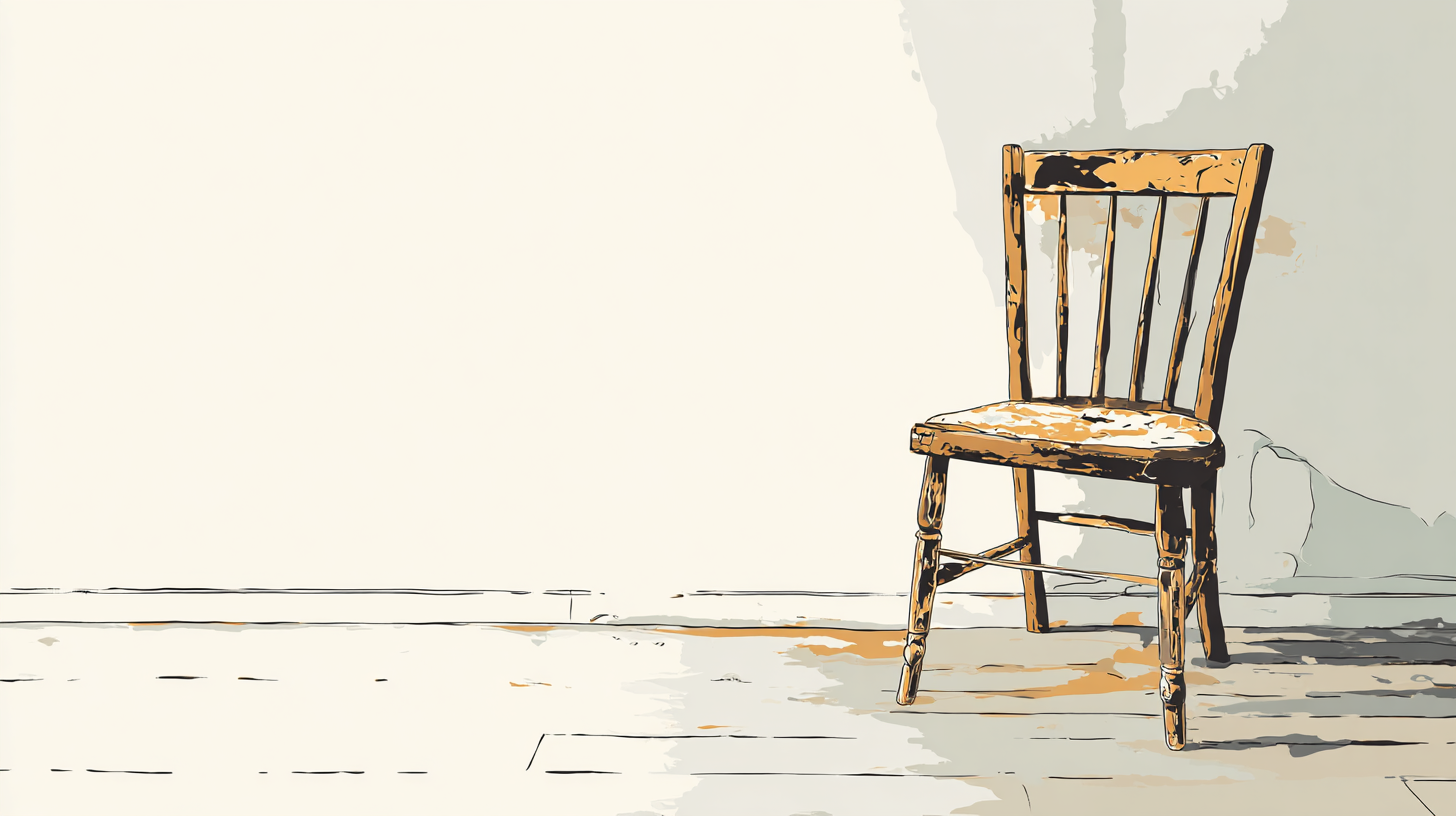
A shabby appearance can hide a sharp mind — but it rarely hides a careless attitude.
「shabby」は、ものや場所が使い古されてみすぼらしい状態、または人の扱いが不当でひどいことを表す形容詞だ。
以下は英単語 “shabby” に関するストーリー型学習コンテンツです。まずは大枠の意味を理解して最後の文章で確認しましょう。
「shabby」の主な意味(main meaning)
| 品詞 | 意味(日本語) | 英語定義 | 英語例文 | IPA |
|---|---|---|---|---|
| 形容詞 | みすぼらしい、薄汚れた | in poor condition through long use or lack of care | He wore a shabby coat that had seen better days. | /ˈʃæbi/ |
| 形容詞 | (扱いが)ひどい、不当な | unfair or unkind in a way that is unworthy of decent behavior | That was a shabby way to treat a loyal employee. | /ˈʃæbi/ |
| 形容詞 | (場所・建物が)荒れ果てた | in a state of disrepair; run-down | They rented a room in a shabby apartment on the edge of town. | /ˈʃæbi/ |
「shabby」の語源(etymology)
17世紀の英語 shab(かさぶた・疥癬を意味する古語)に由来し、「みすぼらしい、ぼろぼろの」という意味へと拡張した。スカンジナビア語の skabb(かさぶた)とも関連があるとされる。外見の「傷んだ状態」から転じて、人の態度や行為の「卑劣さ・不当さ」も表すようになった。
核となるイメージ:長い使用と無関心によって、本来あるべき姿から遠くなってしまったもの。
「shabby」の類義語(synonyms)
| 類義語 | 基本的な意味 | shabbyとのニュアンスの違い | 英語例文 |
|---|---|---|---|
| worn-out | 使い古された、くたびれた | 物理的な消耗・疲弊に焦点。「不当な扱い」の意味はなく、純粋に外見・状態を描写する中立的な語 | Her worn-out shoes needed replacing. |
| dilapidated | 荒廃した、朽ちかけた | 建物・構造物に使われることが多く、shabbyより深刻な崩壊・老朽化を指す。人の行為には使わない | The dilapidated factory had been abandoned for decades. |
| run-down | 荒れ果てた、活気を失った | 場所・地区・施設に使われる。経済的衰退のニュアンスを含むことが多い | They grew up in a run-down neighborhood. |
| scruffy | だらしない、薄汚れた | 人の外見・服装のだらしなさに焦点。shabbyより口語的でカジュアル。「不当な扱い」の意味はない | He showed up to the interview looking scruffy. |
| shoddy | 粗悪な、手抜きの | 品質の低さ・手抜きに焦点。物の外見よりも「作りの粗さ」を批判する。人の行為にも使える | The shoddy workmanship meant the roof leaked after one year. |
「shabby」の反義語(antonyms)
| 反義語 | 基本的な意味 | 英語例文 |
|---|---|---|
| smart | こざっぱりした、きちんとした | He always wore a smart suit to client meetings. |
| immaculate | 非の打ちどころのない、清潔な | The hotel lobby was immaculate despite its age. |
| generous | 寛大な、気前のいい(扱いの文脈で) | They gave him a generous farewell after ten years of service. |
「shabby」のコロケーション(collocations)
| コロケーション | 基本的な意味 | 英語例文 |
|---|---|---|
| shabby appearance | みすぼらしい外見 | His shabby appearance made a poor first impression. |
| shabby treatment | ひどい扱い | She deserved better than the shabby treatment she received. |
| shabby excuse | お粗末な言い訳 | He offered a shabby excuse for missing the deadline. |
| shabby neighborhood | 荒れた地区 | The café was tucked away in a shabby neighborhood downtown. |
| look shabby | みすぼらしく見える | The office furniture was starting to look shabby. |
| feel shabby about | 〜について後ろめたく感じる | He felt shabby about the way he had handled the situation. |
| shabby chic | シャビーシック(意図的なヴィンテージ風スタイル) | The café had a shabby chic interior with mismatched chairs. |
「shabby」の2項表現(binomials)
| 2項表現 | 基本的な意味 | 英語例文 |
|---|---|---|
| shabby and worn-out | みすぼらしくくたびれた | The waiting room was shabby and worn-out, with cracked walls and broken chairs. |
| smart or shabby | きちんとしているかみすぼらしいか | Whether smart or shabby, what you wear sends a message. |
| shabby but charming | みすぼらしいが魅力的な | The inn was shabby but charming, with a warmth no modern hotel could replicate. |
英語ストーリー(english story)
The Jacket
The Monday morning meeting started at nine. Aya arrived at 8:58, coffee in hand, and found Mr. Tanaka already seated at the far end of the table.
She noticed immediately. The jacket.
It was the same one he’d worn every Monday for as long as she could remember — dark navy, slightly too large at the shoulders, with a collar that had begun to curl at the edges. It looked shabby and worn-out in the unforgiving light of the conference room.
“New jacket?” she said, setting down her coffee.
Mr. Tanaka looked up from his notes. “Same jacket.”
“I know.”
He smiled without looking embarrassed. “It still works.”
The meeting began. Their manager, Ms. Fujino, opened with the quarterly review. Halfway through, she turned to Mr. Tanaka.
“I’ve been meaning to say — the proposal you submitted last month. We’re going with someone else.”
A pause.
“No feedback?” Mr. Tanaka asked.
“It didn’t fit the direction we’re taking.”
Aya watched his face. Nothing moved. But later, walking back to their desks, he said quietly: “That was shabby treatment. Three months of work and not even a reason.”
“It was,” Aya agreed. “A shabby excuse, too.”
He said nothing more. He sat down, opened his laptop, and began typing.
That afternoon, Aya passed his desk and noticed something on the back of his chair — a smart new blazer, still in its dry-cleaning bag.
“Going somewhere?” she asked.
“Client meeting at four,” he said. “Run-down office, apparently. Shabby neighborhood. They warned me.”
“And the jacket?”
He glanced at the old navy one hanging on the hook by the window. “That one’s for thinking. This one’s for convincing.”
Aya laughed. “Smart or shabby depending on the audience.”
“Exactly.” He stood, pulled the blazer from the bag, and put it on. It fit perfectly. He looked immaculate — which was, she thought, exactly the point.
The old jacket stayed on the hook.
It still worked.
登場した表現一覧:
- shabby and worn-out
- shabby treatment
- shabby excuse
- look shabby
- shabby neighborhood
- run-down
- smart or shabby
- shabby but charming(示唆的言及)
- shabby appearance(示唆的言及)
- feel shabby about(示唆的言及)
和訳
ジャケット
月曜の朝の会議は9時に始まった。彩はコーヒーを手に8時58分に到着し、テーブルの端にすでに座っている田中さんを見つけた。
すぐに気がついた。ジャケットのことを。
覚えている限りずっと、毎週月曜に着ているのと同じものだった――濃紺で、肩のあたりが少し大きく、襟の端がくたびれて丸まり始めていた。会議室の容赦ない光の下で、みすぼらしくくたびれて見えた(shabby and worn-out:みすぼらしくくたびれた)。
「新しいジャケット?」と彩はコーヒーを置きながら言った。
田中さんがノートから顔を上げた。「同じジャケットだよ」
「わかってます」
彼は恥ずかしそうでもなく微笑んだ。「まだ使える」
会議が始まった。上司の藤野さんが四半期レビューを始めた。途中で、彼女は田中さんに向いた。
「ずっと言おうと思ってたんだけど――先月提出した提案書。別の方向でいくことにしました」
間があった。
「フィードバックはないんですか?」田中さんが聞いた。
「私たちの進む方向に合わなかったの」
彩は彼の顔を見た。何も動かなかった。でも後で、デスクに戻る道すがら、彼は静かに言った。「ひどい扱いだな(shabby treatment:ひどい扱い)。3ヶ月の仕事に、理由の一つもなし」
「そうですね」と彩は同意した。「お粗末な言い訳でもありましたね(a shabby excuse:お粗末な言い訳)」
彼はそれ以上何も言わなかった。座って、ノートパソコンを開き、タイピングを始めた。
その午後、彩が彼のデスクの前を通ると、椅子の背にあるものに気づいた――クリーニングの袋に入ったまま、きれいな新しいブレザーが。
「どこかに行くんですか?」と彼女は尋ねた。
「4時にクライアントの打ち合わせ」と彼は言った。「活気のないオフィスらしい(run-down:荒れ果てた)。荒れた地区にある(shabby neighborhood:荒れた地区)ってことも言われた」
「で、ジャケットは?」
彼は窓際のフックにかかっている古い紺のジャケットをちらりと見た。「あっちは考えるためのもの。こっちは説得するためのもの」
彩は笑った。「相手によってきちんとするかみすぼらしくするか(smart or shabby:きちんとしているかみすぼらしいか)、ということですね」
「そういうこと」彼は立ち上がり、袋からブレザーを取り出して着た。ぴったりだった。彼は完璧な身なりに見えた――それがまさに狙いだったのだ、と彩は思った。
古いジャケットはフックに残った。
まだ使えた。
「shabby」のQ&A
- Qshabby には外見以外の意味もありますか?
- A
はい。「扱いがひどい・不当な」という意味でも使われます。”shabby treatment”(ひどい扱い)や “shabby excuse”(お粗末な言い訳)のように、人の行為や態度を批判する文脈でも頻繁に使われます。
- Qshabby と scruffy の違いは何ですか?
- A
scruffy は主に人の外見・服装のだらしなさを指す口語的な語です。shabby は物・場所・人の外見に加え、行為の「不当さ」まで表せる点でより広い概念です。また shabby の方がやや文語的なニュアンスがあります。
- Qshabby chic とはどういう意味ですか?
- A
意図的にヴィンテージ風・使い古した風に見せるインテリアや服飾スタイルのことです。本来ネガティブな「みすぼらしい」という意味の shabby を逆手に取り、「抜け感のあるおしゃれさ」としてポジティブに使う表現です。
- Qshabby は人の性格を表すのにも使えますか?
- A
直接「性格がshabby」とは言いませんが、”shabby behavior”(ひどい態度)や “shabby trick”(卑劣なやり口)のように、行為・振る舞いを批判する形では使えます。
- Q“not shabby” という表現を聞いたことがあります。どういう意味ですか?
- A
“not bad at all” に近い口語表現で、「なかなかやるじゃないか」「悪くない」という肯定的な意味で使われます。”That’s not shabby at all.” は「それはなかなかすごい」というニュアンスです。
- Qshabby の比較級・最上級はどうなりますか?
- A
規則変化で shabbier(比較級)、shabbiest(最上級)になります。”The second hotel was even shabbier than the first.” のように使います。
- Qdilapidated と shabby はどう違いますか?
- A
dilapidated は建物・構造物に使われることが多く、修復が必要なほど深刻な老朽化・崩壊を指します。shabby はより軽度の「くたびれた・うらぶれた」状態で、人の服装や行為にも使える点が異なります。
- Q“feel shabby about” とはどういう意味ですか?
- A
「〜について後ろめたく感じる・きまりが悪い」という意味です。”He felt shabby about leaving without saying goodbye.” のように、自分の行為が恥ずかしい・不当だったと感じる場面で使われます。
- Qshabby はフォーマルな文章で使えますか?
- A
はい、使えます。新聞記事・文学・ビジネス文書いずれでも自然に使える中程度のフォーマル度を持ちます。ただし口語では scruffy や run-down の方が自然に聞こえる場面もあります。
- Qshabby の語源に「かさぶた」が関係しているというのは本当ですか?
- A
はい。17世紀の英語 shab(疥癬・かさぶたを指す古語)に由来するとされています。皮膚の傷んだ状態から「外見が傷んだ・みすぼらしい」という意味へ拡張し、さらに行為の「卑劣さ」まで表すようになりました。

コメント