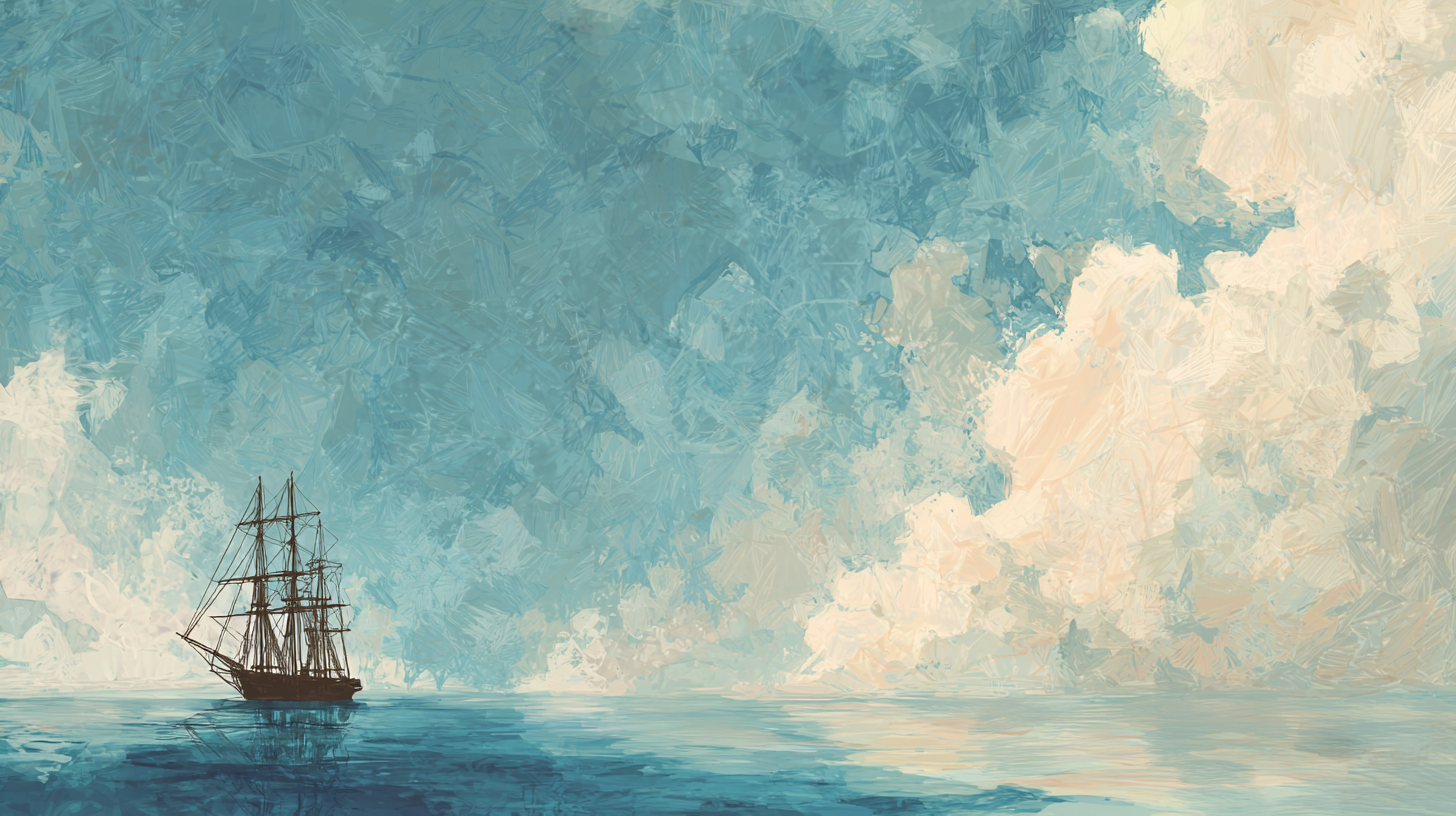
A voyage is a long trip, often by ship.
voyage は、船などで行く長い旅や航海のこと。
以下は英単語 “voyage” に関するストーリー型学習コンテンツです。まずは大枠の意味を理解して最後の文章で確認しましょう。
「voyage」の主な意味(main meaning)
| 品詞 | 主要な意味 | 英語定義(簡潔) | 英語例文(1文) | 発音記号(IPA) |
|---|---|---|---|---|
| noun | 航海、長い旅 | a long journey, especially by sea or in space | The ship began a long voyage across the Pacific. | /ˈvɔɪ.ɪdʒ/ |
| noun | (比ゆ的に)人生などの道のり | a process of change or development over time | Starting a new job can be a voyage of learning. | /ˈvɔɪ.ɪdʒ/ |
| verb | 航海する、長い旅をする | to travel on a long journey, especially by sea | They voyaged to the island to study rare birds. | /ˈvɔɪ.ɪdʒ/ |
「voyage」の語源(etymology)
フランス語 voyage(旅)に由来し、さらにさかのぼると「道を行く」という意味につながる言葉から来ています。
核となるイメージは「遠くまで、長い道のりを進む旅」で、特に海の上を進む場面が思い浮かびます。
「voyage」の類義語(synonyms)
| 類義語 | 基本的な意味 | 指定単語とのニュアンスの違い | 英語例文 |
|---|---|---|---|
| journey | 旅(移動の過程) | voyage より広く使え、船に限らず陸の旅にもよく使う | Her journey to Osaka took three hours. |
| trip | 旅行(短めが多い) | voyage より短いことが多く、気軽な外出や出張にも使う | I took a trip to Kyoto last weekend. |
| expedition | 探検、調査遠征 | 目的がはっきりしていて、調査や探検のチーム感が強い | The scientists planned an expedition to the Arctic. |
| passage | 航行、通過 | voyage が旅全体なら、passage は通過する区間や移動の部分に目が向く | The passage through the strait was dangerous. |
| travel | 旅行すること全般 | voyage より抽象的で、趣味や経験としての旅行全体を指しやすい | Travel teaches you about different cultures. |
「voyage」の反義語(antonyms)
| 反義語 | 基本的な意味 | 英語例文 |
|---|---|---|
| stay | とどまる | I decided to stay home because of the storm. |
| remain | そのままでいる、残る | Please remain in the office until the meeting ends. |
「voyage」のコロケーション(collocations)
| コロケーション | 意味 | 英語例文 |
|---|---|---|
| go on a voyage | 航海に出る | He went on a voyage to learn navigation. |
| a long voyage | 長い航海 | It was a long voyage, so they prepared extra food. |
| a maiden voyage | 初航海 | The new ferry made its maiden voyage today. |
| a voyage of discovery | 発見の旅 | College can be a voyage of discovery for many students. |
| set out on a voyage | 航海に出発する | They set out on a voyage at dawn. |
「voyage」の2項表現(binomials)
| 2項表現 | 意味 | 英語例文 |
|---|---|---|
| safe and sound | 無事で | After the voyage, the crew returned safe and sound. |
| ups and downs | 良い時も悪い時も | Every long voyage has its ups and downs. |
| trial and error | 試行錯誤 | We improved the plan by trial and error before the voyage. |
英語ストーリー(english story)
Mika worked in a small office near the port. She usually handled emails and schedules, and her days were calm. But one Monday, her manager, Mr. Sato, walked in with a serious face.
“We have a problem,” he said. “The research team will leave on a voyage next week, and the schedule is a mess.”
Mika opened the file and sighed. The team was going on a voyage to a remote island to study ocean plastic. It was not just a simple trip. It was closer to an expedition, with many steps, many people, and many risks. They needed special equipment, a clear route, and a safe passage through a narrow strait.
Mr. Sato pointed at the screen. “The ship’s maiden voyage was last month, so we still don’t have enough data about its fuel use. Also, two members changed their flights. Everything is connected, and one mistake can cause another.”
Mika took a deep breath. “Okay. Let’s fix it by trial and error,” she said. “First, I’ll check the journey plan from the port to the island. Then I’ll confirm the travel documents and the emergency contacts.”
She called the shipping company. The staff member sounded tired. “The weather might be rough,” he said. “If the waves get too high, the captain may delay the departure.”
Mika wrote it down and replied, “I understand. Safety comes first. We want the team to return safe and sound.”
After that, she emailed the research leader, Dr. Tanaka. “This voyage is important,” she wrote. “But we must be careful. Please confirm the equipment list and the team roles.”
In the afternoon, Dr. Tanaka came to the office in person. He looked excited, but also nervous. “This is a voyage of discovery for us,” he said. “We want to find better ways to protect the sea.”
Mika nodded. “I know. But it will have ups and downs. If something changes, please tell me quickly. I don’t want anyone to stay confused or remain uninformed.”
They sat together and checked everything again: hotel bookings for the first night, the island permit, the food supply, and the ship’s route. Mika noticed one small error in the timing of the passage. If they followed the old plan, they would reach the strait at night, when it was harder to see.
“That’s risky,” she said. “Let’s change it. If we leave two hours earlier, we can pass during daylight.”
Dr. Tanaka smiled. “Good catch. This is why we need you.”
Over the next few days, Mika kept working. She confirmed the final list, prepared backup contacts, and updated the schedule. On Friday, Mr. Sato checked the file and finally relaxed.
“Now it looks clear,” he said. “You turned a mess into a plan.”
On the day of departure, Mika watched the ship from the office window. The team waved as the ship set out on its voyage. Mika felt proud, not because she was going with them, but because she helped their voyage begin the right way. For her, the office work was also a kind of journey, and every new task was a small voyage toward becoming better at her job.
和訳
ミカは港の近くの小さなオフィスで働いていた。ふだんはメールや予定の管理をしていて、毎日は落ち着いていた。だがある月曜日、佐藤さんは真剣な顔で入ってきた。
「問題がある」と彼は言った。「研究チームが来週(voyage:航海)に出るのに、予定がめちゃくちゃなんだ。」
ミカはファイルを開いてため息をついた。チームは海のプラスチックごみを調べるために、遠い島へ(voyage:航海)に出る予定だった。それはただの(trip:短めの旅行)ではない。(expedition:調査遠征)に近く、手順も人も多く、危険もあった。特別な機材、はっきりしたルート、そして狭い海峡を安全に通る(passage:通過の区間)が必要だった。
佐藤さんは画面を指した。「船は先月(a maiden voyage:初航海)を終えたばかりで、燃料のデータがまだ足りない。それに、メンバー2人が飛行機を変更した。全部つながっていて、ひとつのミスが次のミスを呼ぶ。」
ミカは深呼吸した。「わかりました。(trial and error:試行錯誤)で直しましょう。まず港から島までの(journey:移動の旅)の計画を確認します。それから書類や緊急連絡先を確かめます。」
ミカは船会社に電話した。担当者は疲れた声だった。「天気が荒れるかもしれません。波が高すぎたら、船長は出発を遅らせるでしょう。」
ミカはメモして答えた。「理解しました。安全が最優先です。チームには(safe and sound:無事で)帰ってきてほしいです。」
その後、ミカは研究リーダーの田中博士にメールした。「この(voyage:航海)は大切です。でも注意が必要です。機材リストと役割を確認してください。」
午後、田中博士は直接オフィスに来た。ワクワクしているが、少し緊張もしていた。「これは私たちにとって(a voyage of discovery:発見の旅)です。海を守るためのよりよい方法を見つけたいんです。」
ミカはうなずいた。「わかります。でも(ups and downs:良い時も悪い時も)あります。変更があれば早く教えてください。誰かが混乱したまま(stay:とどまる)になったり、知らないまま(remain:そのままでいる)になったりしてほしくありません。」
二人は一緒に、ホテル予約、島の許可、食料、船のルートをもう一度確認した。ミカは(passage:通過の区間)の時間に小さなミスがあるのに気づいた。古い計画のままだと、夜に海峡へ着き、見えにくくなる。
「危ないですね」とミカは言った。「変えましょう。2時間早く出れば、明るい時間に通れます。」
田中博士は笑った。「よく気づきました。だからあなたが必要なんです。」
その後の数日、ミカは作業を続けた。最終名簿を確認し、予備の連絡先を用意し、予定を更新した。金曜日、佐藤さんはファイルを見てやっと安心した。
「これで明確になった」と彼は言った。「混乱を計画に変えたね。」
出発の日、ミカはオフィスの窓から船を見た。チームは手を振り、船は(voyage:航海)へ(set out on a voyage:航海に出発する)。ミカは誇らしかった。自分が一緒に行くからではなく、(voyage:航海)が正しい形で始まるのを助けたからだ。ミカにとって、オフィスの仕事も一種の(journey:移動の旅)で、新しい仕事は上達へ向かう小さな(voyage:航海)だった。
「voyage」のQ&A
- Qvoyage はどんな意味?
- A
voyage は船などで行く長い旅や航海のことです。
- Qvoyage と journey の違いは?
- A
journey は陸の旅にも使える広い言い方で、voyage は特に長い航海の感じが強いです。
- Qvoyage と trip の違いは?
- A
trip は短めで気軽な旅行を言うことが多く、voyage は長くて大きな旅の感じです。
- Qvoyage と expedition の違いは?
- A
expedition は調査や探検など目的がはっきりした遠征で、voyage は旅そのものに注目します。
- Qvoyage と passage の違いは?
- A
passage は移動の区間や通過に注目し、voyage は旅全体を指すことが多いです。
- Qvoyage のよくあるコロケーションは?
- A
go on a voyage, a long voyage, a maiden voyage, a voyage of discovery, set out on a voyage などがあります。
- Qgo on a voyage はどう使う?
- A
go on a voyage は「航海に出る」という意味で、長い旅に出発するときに使えます。
- Qa maiden voyage はどんなときに使う?
- A
a maiden voyage は新しい船が初めて航海するときに使います。
- Qvoyage of discovery はどんな意味?
- A
voyage of discovery は新しいことを学んだり見つけたりする発見の旅という意味です。
- Qsafe and sound や ups and downs はどう使う?
- A
safe and sound は無事で、ups and downs は良い時も悪い時もという意味で、旅や仕事の話で使えます。

コメント