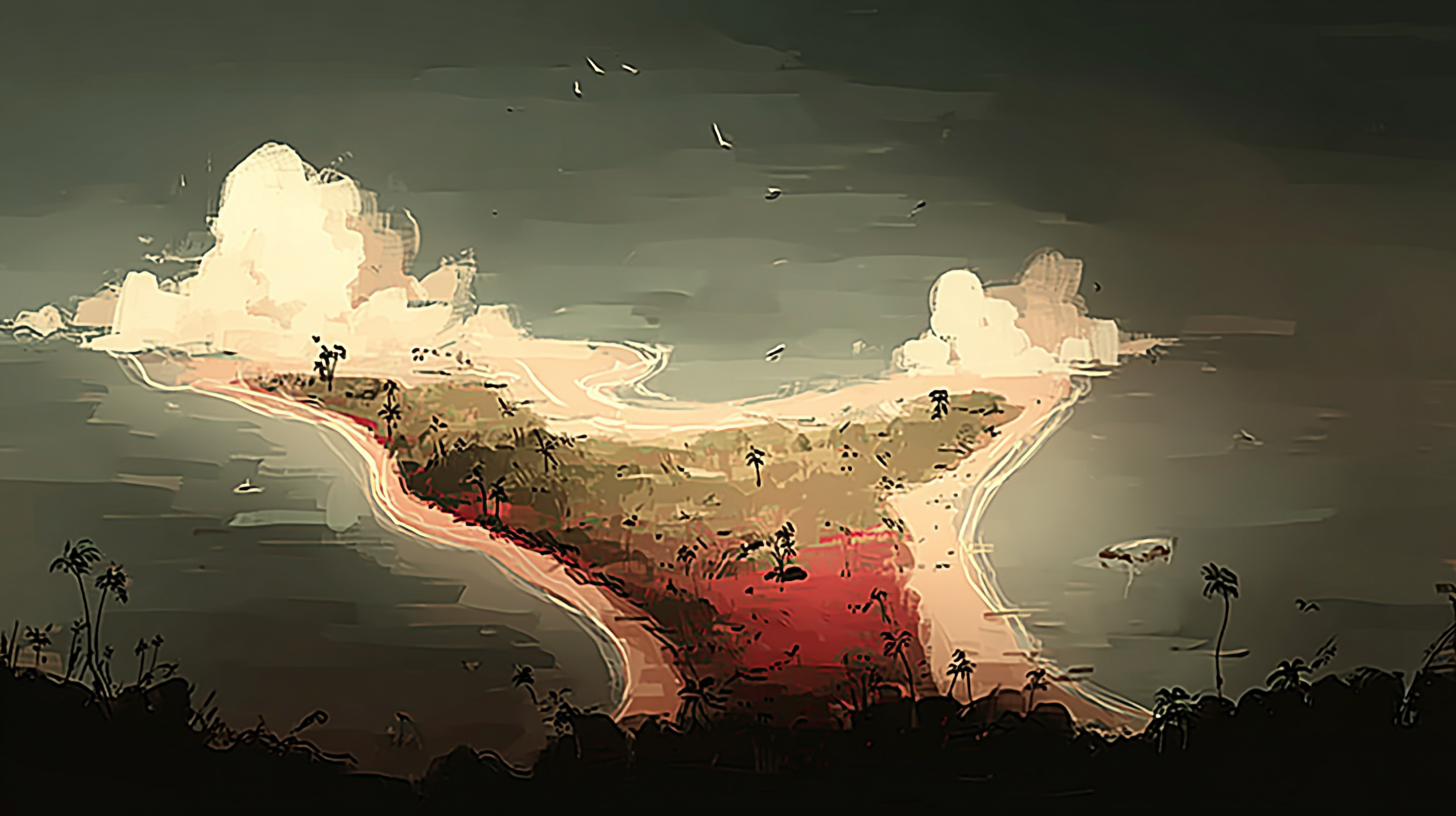
A peninsula is land with water on three sides and land on one side.
peninsula は「三方を海に囲まれていて、陸とつながっている土地(半島)」のこと。
以下は英単語 “peninsula” に関するストーリー型学習コンテンツです。まずは大枠の意味を理解して最後の文章で確認しましょう。
「peninsula」の主な意味(main meaning)
| 品詞 | 意味 | 英語定義(簡潔) | 例文(1文) | 発音記号(IPA) |
|---|---|---|---|---|
| noun | 半島 | a piece of land almost surrounded by water, connected to the mainland | The company opened a new office on a peninsula to serve coastal clients. | /pəˈnɪn.sə.lə/ |
「peninsula」の語源(etymology)
ラテン語の paene(ほとんど)+ insula(島)から来ています。
核となるイメージは「島みたいだけど、少しだけ陸とつながっている場所」です。
「peninsula」の類義語(synonyms)
| 類義語 | 基本的な意味 | 指定単語とのニュアンスの違い | 英語例文 |
|---|---|---|---|
| cape | 岬 | peninsula より小さめで、海に突き出た先っぽに注目する言い方。地図で「先端」を言いたい時に多い。 | We watched the sunset from the cape after work. |
| headland | 岬(高い崖の岬) | 岩や崖など「高く出っ張った陸地」の感じが強い。景色や地形の話でよく使う。 | The trail ends at a windy headland above the waves. |
| promontory | 岬(大きく突き出た高地) | 少し硬い言い方で、文学的・説明的に「目立つ高い岬」を言う時に使う。 | A lighthouse stands on the promontory near the port. |
| spit | 砂州の岬 | 砂や小石がたまって細く伸びた「細長い岬」。自然の堆積でできた形を強調する。 | Birds gather on the spit during migration season. |
「peninsula」の反義語(antonyms)
| 反義語 | 基本的な意味 | 英語例文 |
|---|---|---|
| island | 島 | Unlike a peninsula, an island is completely surrounded by water. |
| mainland | 本土 | The ferry runs between the peninsula and the mainland every hour. |
「peninsula」のコロケーション(collocations)
| コロケーション | 意味 | 英語例文 |
|---|---|---|
| a narrow peninsula | 細長い半島 | The map shows a narrow peninsula reaching toward the bay. |
| a rocky peninsula | 岩だらけの半島 | They built the viewpoint on a rocky peninsula for safety. |
| on the peninsula | 半島で | Our sales team is based on the peninsula this quarter. |
| the peninsula region | 半島地域 | We are expanding deliveries across the peninsula region. |
| the southern peninsula | 南の半島 | The southern peninsula is popular with weekend tourists. |
「peninsula」の2項表現(binomials)
| 2項表現(A and B) | 意味 | 英語例文 |
|---|---|---|
| land and sea | 陸と海 | The design connects land and sea with a waterfront walkway. |
| north and south | 北と南 | We compared demand in north and south before setting prices. |
英語ストーリー(english story)
On Monday morning, our marketing team gathered in the small meeting room on the seventh floor. We were preparing a proposal for a new client, a local tourism office. Their goal was simple: attract more visitors to a coastal area without damaging the environment. On the screen, a map appeared with one shape highlighted in blue. It was a peninsula.
“I want everyone to picture it,” our manager, Ms. Tanaka, said. “A narrow peninsula reaches into the bay, and the town sits near the base. People come for seafood, cycling, and quiet beaches.”
I leaned closer to the screen. “So it’s connected to the mainland, but water is on three sides,” I said, mostly to myself.
“Exactly,” Ms. Tanaka replied. “That’s why it feels special. Visitors get both land and sea in one trip.”
Ken, our designer, pointed at the tip of the map. “This end looks like a cape. If we put a photo spot there, it will become the symbol of the campaign.”
Mika, who had grown up nearby, nodded. “It’s more than a cape, though. Parts of it are a headland with steep cliffs. The wind is strong, and the waves are loud. It’s beautiful, but we need safety signs.”
Our client contact joined online and added a detail. “There’s also a small promontory near the old lighthouse. It’s a perfect place for a short walk, but the path is narrow.”
As we listened, I wrote notes: a rocky peninsula, safety, lighthouse, walking route. Then the client mentioned something else. “On the eastern side, a sandy spit has formed over time. Birds rest there in spring.”
Ms. Tanaka smiled. “That could be a key message: nature and community. We can promote responsible tourism.”
The conversation moved from scenery to numbers. “We have to decide which area to focus on first,” Ms. Tanaka said. “The southern peninsula is already popular, but the peninsula region as a whole needs balance. If everyone crowds into one place, locals will suffer.”
Ken suggested a bold idea. “What if we create two routes: one for families and one for adventure travelers? We can guide people from north and south entrances to spread them out.”
Mika looked concerned. “But transportation is limited. There’s a bridge to the mainland, and buses are not frequent.”
“Could we partner with local buses and offer digital coupons?” I asked. “If visitors feel it’s easy, they won’t rush to bring cars.”
The client contact replied, “That would help. We also want to encourage weekday trips. Weekends are too crowded.”
Ms. Tanaka wrote “weekday strategy” on the whiteboard. Then she drew a simple diagram: an island on one side, the peninsula in the middle, and the mainland on the other. “We should be careful with comparisons,” she said. “Some people think an island is more exciting, but the peninsula has a different advantage: you can explore without needing a boat.”
Ken laughed. “Unless you get lost and end up needing a boat.”
Everyone chuckled, and the tension eased. Still, the plan needed details. We discussed photo themes, local food interviews, and short videos about recycling. We agreed to avoid overpromising. Instead of saying, “This is untouched paradise,” we would say, “This is a place where people protect what they love.”
After the meeting, I stayed behind to organize the notes. The more I read them, the clearer the picture became: a peninsula that felt like an “almost island,” with a cape at the tip, a headland for dramatic views, a promontory for a lighthouse walk, and a spit where birds could rest. It wasn’t just geography. It was a story we could tell with care.
That afternoon, I sent a draft to Ms. Tanaka. I ended the email with one line: “Our campaign should help visitors enjoy land and sea while respecting the daily life of the peninsula.”
和訳
月曜日の朝、私たちマーケティングチームは7階の小さな会議室に集まった。新しいクライアントである地元の観光協会への提案を準備していたのだ。目的はシンプルで、自然をこわさずに海岸エリアへの訪問者を増やすこと。画面には地図が映り、青で強調された形があった。それは半島(peninsula)だった。
「みんな、イメージしてね」と田中さんが言った。「細長い半島(a narrow peninsula)が湾に向かって伸びていて、町は根元の近くにある。海の幸、自転車、静かなビーチで人が来るの。」
私は画面に身を乗り出した。「本土(mainland)とつながっているけど、三方は海なんですね」と私は小さく言った。
「その通り」と田中さん。「だから特別に感じる。陸と海(land and sea)を一度の旅で両方楽しめるの。」
デザイナーの健が地図の先を指した。「ここは岬(cape)っぽい。ここにフォトスポットを作れば、キャンペーンのシンボルになるよ。」
近くで育った美香がうなずいた。「でも、ただの岬(cape)じゃないよ。場所によっては崖の岬(headland)で、急な崖がある。風が強くて波の音も大きい。きれいだけど、安全の案内が必要。」
クライアント担当者がオンラインで加わり、さらに説明した。「古い灯台の近くに小さな岬の高地(promontory)もあります。短い散歩にぴったりだけど、道が狭いんです。」
私はメモを取った。岩だらけの半島(a rocky peninsula)、安全、灯台、散歩ルート。すると担当者が別の話をした。「東側には砂州の岬(spit)が長い時間をかけてできています。春には鳥がそこで休みます。」
田中さんは笑顔になった。「それは大事なメッセージになる。自然と地域。責任ある観光を伝えましょう。」
話題は景色から数字へ移った。「まず、どこに焦点を当てるか決めないと」と田中さん。「南の半島(the southern peninsula)はもう人気だけど、半島地域(the peninsula region)全体としてはバランスが必要。一か所に集中すると、地元の人が大変になる。」
健が大胆な案を出した。「家族向けと冒険好き向けに、ルートを2つ作るのはどう?北と南(north and south)の入口から案内して分散させよう。」
美香は心配そうに言った。「でも交通が弱いよ。本土(mainland)へは橋があるけど、バスの本数が少ない。」
「地元バスと組んでデジタルクーポンを出せませんか」と私が言った。「簡単だと感じれば、車で一気に押し寄せなくなるかも。」
担当者は答えた。「それは助かります。平日の旅行も増やしたい。週末は混みすぎてしまうので。」
田中さんはホワイトボードに「平日戦略」と書き、簡単な図を描いた。片側に島(island)、真ん中に半島(peninsula)、もう片側に本土(mainland)。「比べ方には注意ね」と田中さん。「島(island)の方がワクワクすると感じる人もいるけど、半島(peninsula)には別の強みがある。船なしで動き回れるの。」
健が笑った。「迷ったら船が必要になるかもね。」
みんなが笑って、空気が少し軽くなった。それでも計画には細部が必要だった。写真のテーマ、地元の食のインタビュー、リサイクルの短い動画。私たちは大げさに言い過ぎないことにした。「手つかずの楽園」ではなく、「大切なものを守る人がいる場所」と伝える。
会議の後、私は残ってメモを整理した。読み返すほど、景色がはっきりしてきた。島のようで島ではない半島(peninsula)。先端の岬(cape)、迫力ある崖の岬(headland)、灯台へ行ける岬の高地(promontory)、鳥が休む砂州の岬(spit)。これは地理だけではない。丁寧に語れるストーリーだ。
その日の午後、私は田中さんに下書きを送った。メールの最後はこう締めた。「陸と海(land and sea)を楽しみながら、半島(peninsula)の暮らしを大切にできるキャンペーンにしましょう。」
「peninsula」のQ&A
- Qpeninsula はどんな意味ですか
- A
peninsula は三方を海に囲まれていて陸とつながっている土地で、半島という意味です
- Qpeninsula と island の違いは何ですか
- A
island は四方すべてが海で囲まれた島で、peninsula は陸とつながっている点が違います
- Qpeninsula と mainland はどう関係しますか
- A
peninsula は mainland と地続きでつながっているので、橋や道路で行けることが多いです
- Qcape は peninsula とどう違いますか
- A
cape は半島より小さめで、海に突き出た先っぽに注目して言うときに使います
- Qheadland は peninsula とどう違いますか
- A
headland は高い崖や岩の感じが強い岬で、景色や地形の迫力を言いたいときに使います
- Qpromontory はどんな場面で使いますか
- A
promontory は少し硬い言い方で、目立つ高い岬を説明的に言いたいときに使います
- Qspit は peninsula とどう違いますか
- A
spit は砂や小石がたまって細く伸びた地形で、自然の堆積を強く感じる言い方です
- Qよくあるコロケーションは何ですか
- A
a narrow peninsula や on the peninsula などがよく使われ、場所や形を自然に説明できます
- Qland and sea はどんな意味で使いますか
- A
land and sea は陸と海の両方という意味で、海辺の魅力や環境の話でよく使います
- Qnorth and south は文章でどう使いますか
- A
north and south は北と南という意味で、地域や範囲をまとめて言いたいときに便利です


コメント