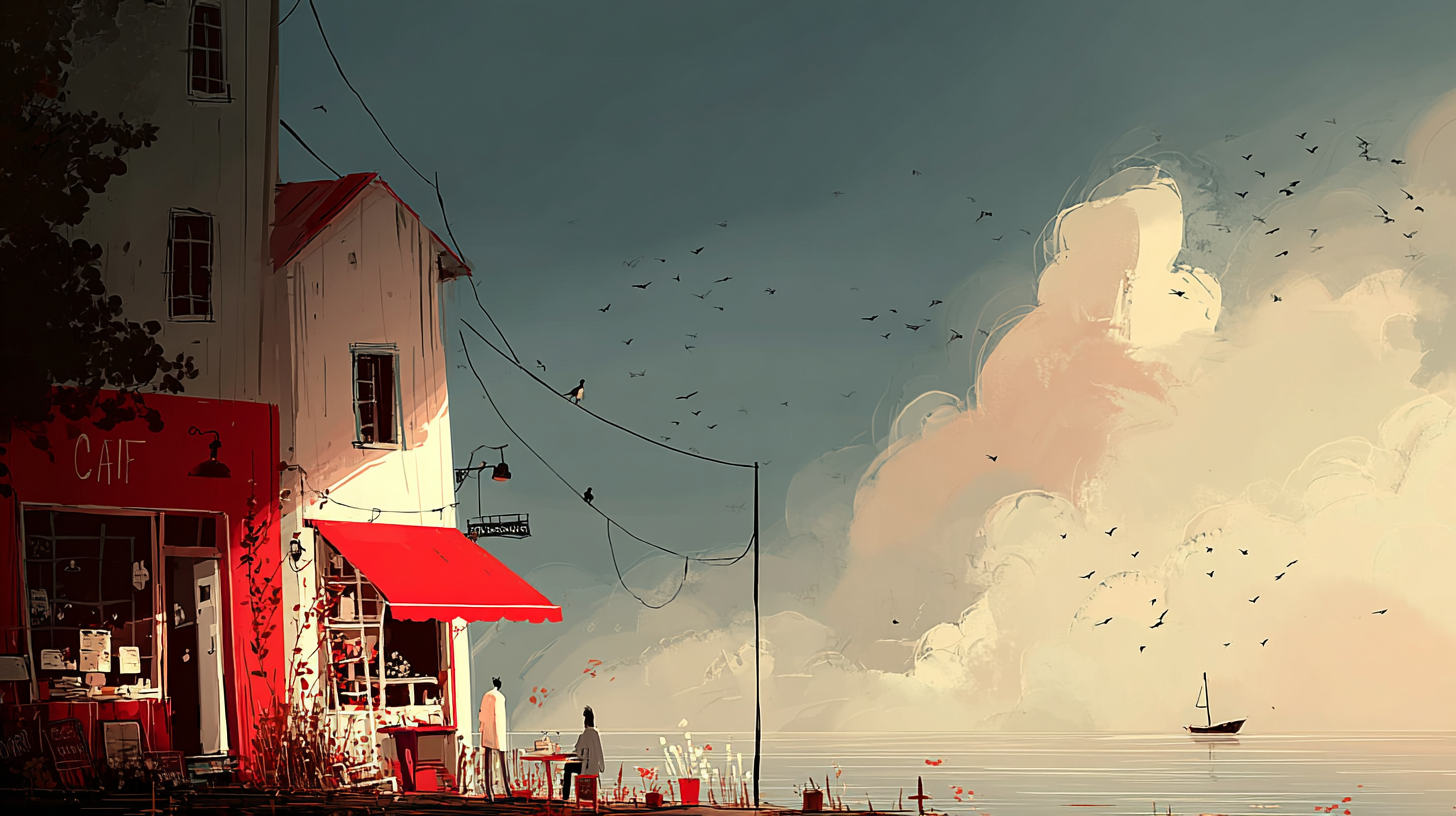
A very big area of water called the ocean.
とても大きな水の広がり(海)のこと。
以下は英単語 “sea” に関するストーリー型学習コンテンツです。まずは大枠の意味を理解して最後の文章で確認しましょう。
主な意味(main meaning)
| 品詞 | 意味 | 発音記号 | 英語例文 |
|---|---|---|---|
| 名詞 | 海、大きな水域 | /siː/ | We swam in the sea during our vacation. |
語源(etymology)
「sea」は古英語の sǣ に由来し、ゲルマン語系の語です。広くて境界のない水の広がりというイメージが根底にあります。
類義語(synonyms)
| 類義語 | 英語例文 |
|---|---|
| ocean | The ocean is deeper than the sea. |
| bay | We went fishing in the bay. |
| coast | They walked along the coast to enjoy the view. |
| shoreline | The kids collected shells along the shoreline. |
| waters | The ship sailed through dangerous waters. |
反義語(antonyms)
| 反義語 | 英語例文 |
|---|---|
| land | After weeks at sea, they finally saw land. |
| desert | Unlike the sea, the desert is dry and hot. |
コロケーション(collocations)
| コロケーション | 英語例文 |
|---|---|
| rough sea | The boat rocked on the rough sea. |
| calm sea | They enjoyed the calm sea at sunset. |
| deep sea | He studied deep sea creatures. |
| sea level | This city is below sea level. |
| sea breeze | A sea breeze cooled the hot day. |
2項表現(binomials)
| 2項表現 | 英語例文 |
|---|---|
| sea and sky | The sea and sky looked the same color at dusk. |
| land and sea | The adventure took place across land and sea. |
英語ストーリー(english story)
Title: A New Life by the Sea
Emma had always dreamed of living by the sea. After years of working in the city, she finally decided to move to a small town near the coast. The moment she stepped off the train, she felt the fresh sea breeze on her face. It was calm and peaceful, unlike the noisy streets she used to walk every day.
She found a small job at a local café by the shoreline. Each morning, she would open the windows and look out at the calm sea. Some days, the weather changed quickly, and the rough sea reminded her of how powerful nature could be.
One afternoon, she met Daniel, a marine biologist studying deep sea creatures. He explained that the ocean was full of mysteries, and he invited her to join a boat trip. It was her first time sailing on deep waters, and though she was scared at first, the beauty of the open sea and sky amazed her.
As the boat returned to land, Emma smiled. She had found a new purpose in life, surrounded by the things she loved. Her new home was where land and sea met, and she couldn’t be happier.
和訳
タイトル:海辺での新しい生活
エマはいつも**海(sea)のそばで暮らすことを夢見ていました。何年も都会で働いた後、ついに海岸(coast)近くの小さな町へ引っ越すことを決めました。電車を降りた瞬間、彼女は顔に感じる新鮮な海風(sea breeze)**を感じました。そこは、毎日歩いていた騒がしい通りとは違って、穏やかで静かでした。
彼女は**海岸線(shoreline)近くの小さなカフェで仕事を見つけました。毎朝、窓を開けて穏やかな海(calm sea)**を眺めるのが日課でした。ある日、天気が急に変わり、**荒れた海(rough sea)**が自然の力を彼女に思い出させました。
ある午後、彼女はダニエルという**深海(deep sea)生物を研究する海洋生物学者に出会いました。彼は海(ocean)**にはたくさんの謎があると説明し、彼女をボート旅行に誘いました。**深い水域(deep waters)での航海は初めてで、最初は怖かったのですが、広がる海と空(sea and sky)**の美しさに感動しました。
ボートが**陸地(land)**に戻ると、エマは微笑みました。自分が本当に愛するものに囲まれて、新しい人生の目的を見つけたのです。彼女の新しい住まいは、**陸と海(land and sea)**が出会う場所でした。
Q&A
「sea」と「ocean」の違いは?
「sea(海)」は「ocean(大洋)」よりも小さく、陸に囲まれていることが多いです。たとえば「地中海(Mediterranean Sea)」などが例です。一方「ocean」は世界規模で広がる巨大な水域で、太平洋(Pacific Ocean)などが代表です。
「sea」と「bay」の違いは?
「bay(湾)」は海の一部で、陸に深く入り込んだ場所を指します。つまり、「bay」は「sea」の中にある地形の名前のひとつです。小さな入り江のようなイメージです。
「sea」と「coast」の違いは?
「sea」は水自体、「coast(海岸)」は海に接する陸地のことです。たとえば「We sat by the sea.(海のそばに座った)」では水辺にいるイメージ、「We walked along the coast.(海岸沿いを歩いた)」では陸地を歩いているイメージです。
「sea」と「shoreline」の違いは?
「shoreline(海岸線)」は海と陸の境目の線のことです。「coast」よりも具体的に、水と地面の接する線に焦点を当てた言葉です。潮の満ち引きで変わる範囲を含むこともあります。
「sea」と「waters」の違いは?
「waters」は海、川、湖などすべての水域を含む広い意味で使われます。文脈によって「territorial waters(領海)」のように、法律的・地理的な水域を指すこともあります。一方「sea」は自然の水域で特に塩水の広がりを意味します。
「rough sea」と「calm sea」はどう違う?
「rough sea」は波が高く荒れている海の状態、「calm sea」は波も風もなく穏やかな海の状態を意味します。天気や風の強さで使い分けられます。
「deep sea」と「sea level」の違いは?
「deep sea」は海の深い部分で、海洋生物学や探査に関連して使われます。「sea level(海面)」は高さの基準として使われ、建物や地形の高さ、気候変動の話題などで使われます。
「sea breeze」とは何?他とどう違う?
「sea breeze(海風)」は、海から陸へ吹く涼しい風のことです。「breeze(そよ風)」に限定され、「wind(風全般)」とは違って弱くて快適な風を指します。


コメント