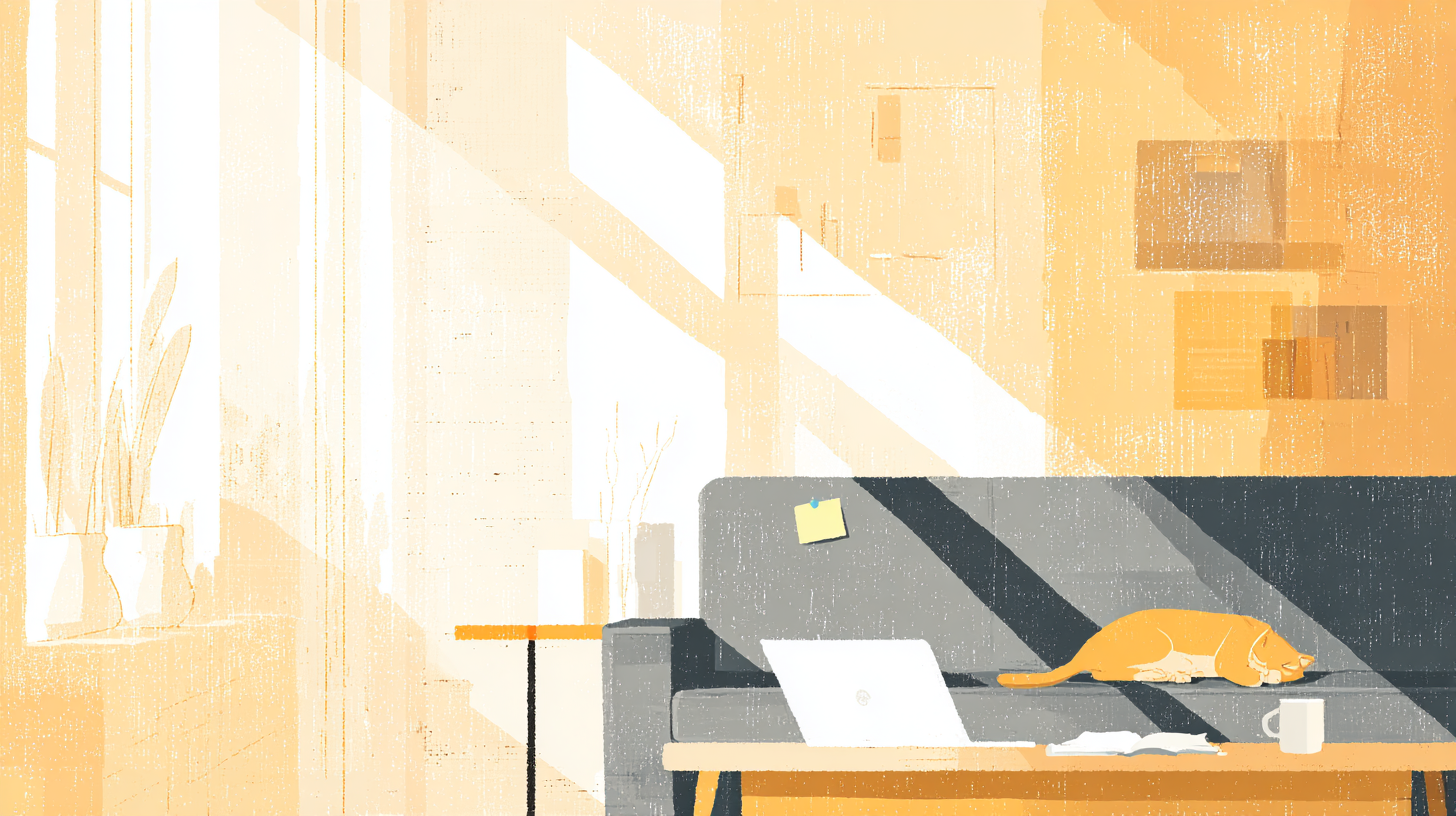
asleep means you are sleeping and not awake.
asleep は「起きていなくて、眠っている状態」という意味。
以下は英単語 “asleep” に関するストーリー型学習コンテンツです。まずは大枠の意味を理解して最後の文章で確認しましょう。
「asleep」の主な意味(main meaning)
| 品詞 | Meaning | Simple English definition | Example sentence | IPA |
|---|---|---|---|---|
| adjective | 眠っている | sleeping; not awake | The baby is asleep in the stroller. | /əˈsliːp/ |
| adjective | 眠った状態で | in a sleeping state | I fell asleep during the movie. | /əˈsliːp/ |
「asleep」の語源(etymology)
a-(状態を表す)+ sleep(眠る)からできた語。
核のイメージは「睡眠の中に入っている状態」。
「asleep」の類義語(synonyms)
| 類義語 | 基本的な意味 | asleep とのニュアンスの違い | 英語例文 |
|---|---|---|---|
| sleeping | 眠っている | asleep より一般的で、動作としての「眠っている」を言いやすい | The dog is sleeping under the table. |
| dozing | うとうとしている | 浅い眠りで、すぐ起きそうな感じ | He was dozing on the train. |
| napping | 昼寝している | 短い睡眠、特に昼寝のイメージ | She is napping after lunch. |
| unconscious | 意識がない | 眠りではなく、事故や病気で意識がない状態 | The man was unconscious after the fall. |
| drowsy | 眠そうな | まだ寝ていないが、眠気が強い状態 | I feel drowsy in the warm room. |
「asleep」の反義語(antonyms)
| 反義語 | 意味 | 英語例文 |
|---|---|---|
| awake | 起きている | I was awake until midnight. |
| alert | 目がさえて注意できる | Stay alert during the meeting. |
「asleep」のコロケーション(collocations)
| コロケーション | 意味 | 英語例文 |
|---|---|---|
| fall asleep | 眠りに落ちる | I usually fall asleep quickly. |
| be fast asleep | ぐっすり眠っている | The kids were fast asleep by nine. |
| drift asleep | いつの間にか眠る | She drifted asleep while listening to music. |
| go to sleep | 寝る | I go to sleep at eleven. |
| put someone to sleep | 人を寝かしつける | Dad put the baby to sleep. |
「asleep」の2項表現(binomials)
| 2項表現 | 意味 | 英語例文 |
|---|---|---|
| safe and sound | 無事で安心な | After the storm, everyone was safe and sound. |
| sooner or later | 遅かれ早かれ | Sooner or later, you will need to decide. |
| now and then | 時々 | I feel sleepy now and then in the afternoon. |
英語ストーリー(english story)
At our office, we have a small break room with a sofa, a coffee machine, and a bookshelf full of old magazines. It is not a fancy place, but it is comfortable enough for a short rest. One Tuesday afternoon, the whole team looked tired. We had been preparing a presentation for a new client, and the schedule was tight. Sooner or later, everyone needs a moment to breathe, but that day we had almost no time.
Around three o’clock, I went to the break room to refill my water bottle. When I opened the door, I saw Mr. Sato from accounting sitting on the sofa. His eyes were closed, and his head was leaning to one side. At first, I thought he was just resting, but then I noticed his slow breathing. He was clearly asleep.
I tried to be quiet, but the door made a small sound. Mr. Sato did not move at all. He was fast asleep. On the table next to him, there was a laptop, an open spreadsheet, and a sticky note that said, “Send budget report by 3:30.” I checked the time. It was already 3:20.
I felt a little worried. If he missed the deadline, our manager might get upset. At the same time, I understood him. The past few days had been stressful. Many of us were drowsy after lunch, and some people were dozing at their desks now and then. Still, a budget report is important.
I gently called his name. “Mr. Sato? Are you awake?” He did not answer. I tried again, a bit louder. Finally, he opened his eyes, looking confused.
“Oh no,” he said, sitting up quickly. “I fell asleep. I only meant to close my eyes for a minute.”
“It happens,” I said. “But your note says you need to send the report soon.”
He glanced at the clock and turned pale. “I’m in trouble. I was checking one number, and then I just drifted asleep.”
He grabbed his laptop and started typing fast. While he worked, he apologized again and again. I told him to calm down and focus. He was not unconscious, of course, but his face still looked sleepy, like someone waking from a deep nap.
A few minutes later, our manager, Ms. Tanaka, walked into the break room to get coffee. She stopped when she saw us. “What’s going on?” she asked, alert and serious.
Mr. Sato froze. I decided to speak before things got worse. “He was very tired and fell asleep for a moment, but he’s finishing the report right now,” I said.
Ms. Tanaka looked at him, then at the sticky note. Her expression softened. “We have all been working hard,” she said. “But please be careful with deadlines. If you feel too tired, take a short break on purpose, not by accident.”
Mr. Sato nodded. “Yes, I understand. I’m sorry.”
Ms. Tanaka poured coffee and added, “After you send it, go outside for five minutes. Fresh air helps. We need you safe and sound, not burning out.”
Mr. Sato smiled weakly. “Thank you. I will.”
He sent the email at 3:29. Then he leaned back and took a deep breath. “I was so close to a disaster,” he said.
“Now you’re awake,” I replied. “And the report is done.”
Later that day, I thought about what Ms. Tanaka said. Work can be busy, and people can get sleepy. But if we plan small breaks, we can stay alert. Sooner or later, every team learns that balance matters.
和訳
私たちの職場には小さな休憩室があり、ソファとコーヒーマシン、そして古い雑誌でいっぱいの本棚があります。豪華ではありませんが、少し休むには十分に快適です。ある火曜日の午後、チーム全体が疲れて見えました。新しい取引先のためのプレゼン準備をしていて、予定がきつかったのです。遅かれ早かれ(sooner or later:いつか)誰でも息抜きが必要ですが、その日はほとんど時間がありませんでした。
3時ごろ、水筒に水を入れ直すために休憩室へ行きました。ドアを開けると、経理の佐藤さんがソファに座っていました。目を閉じて、頭が片側に傾いていました。最初は休んでいるだけだと思いましたが、ゆっくりした呼吸に気づきました。彼は明らかに眠っていました(asleep:眠っている)。
静かにしようとしましたが、ドアが小さな音を立てました。佐藤さんは全く動きません。ぐっすり眠っていました(be fast asleep:ぐっすり眠っている)。彼の横のテーブルには、ノートパソコン、開いた表計算、そして「3:30までに予算報告を送る」と書かれた付せんがありました。時間を見ると、すでに3:20でした。
少し心配になりました。締め切りに遅れたら、上司が怒るかもしれません。でも気持ちもわかります。ここ数日はストレスが強く、昼食後は多くの人が眠そうで(drowsy:眠そうな)、時々(now and then:時々)机でうとうとしている(dozing:うとうとする)人もいました。それでも予算報告は大切です。
私はやさしく名前を呼びました。「佐藤さん、起きていますか(awake:起きている)?」返事はありません。少し大きめにもう一度呼ぶと、ようやく目を開けて、混乱した様子でした。
「やばい」と彼は言って、急いで起き上がりました。「寝ちゃいました(fell asleep:眠りに落ちた)。1分だけ目を閉じるつもりだったのに。」
「あるあるですよ」と私は言いました。「でも、もうすぐ報告を送らないといけません。」
彼は時計を見て青ざめました。「まずいです。数字を1つ確認していたら、いつの間にか眠ってしまって(drifted asleep:いつの間にか眠る)。」
彼はノートパソコンをつかんで必死に入力し始めました。作業しながら何度も謝りました。私は落ち着いて集中するように言いました。もちろん意識不明(unconscious:意識がない)ではありませんが、深い昼寝(napping:昼寝)から起きた人のように、まだ眠そうな顔でした。
数分後、上司の田中さんがコーヒーを取りに休憩室へ入ってきました。私たちを見ると立ち止まりました。「どうしたの?」と、目がさえて注意できる感じで(alert:目がさえている)真剣に聞きました。
佐藤さんは固まりました。私は悪化する前に話そうと決めました。「すごく疲れていて少し寝てしまいましたが、今すぐ報告を仕上げています」と言いました。
田中さんは彼を見て、付せんを見ました。表情がやわらぎました。「みんなよく頑張っているわ。でも締め切りには気をつけて。疲れたなら、偶然じゃなくて、意識して短く休んでね。」
佐藤さんはうなずきました。「はい、わかりました。すみません。」
田中さんはコーヒーを注ぎ、こう付け加えました。「送ったら5分外に出て。新鮮な空気は効くよ。私たちはあなたに無事で安心でいてほしい(safe and sound:無事で安心な)。燃え尽きてほしくない。」
佐藤さんは弱く笑いました。「ありがとうございます。そうします。」
彼は3:29にメールを送りました。そしてもたれて深呼吸しました。「危うく大惨事でした」と言いました。
「今は起きてるよ(awake:起きている)。それに報告も終わった」と私は答えました。
その日のあと、私は田中さんの言葉を思い返しました。仕事は忙しく、人は眠くなります。でも小さな休憩を計画すれば、目をさましていられます(alert:目がさえている)。遅かれ早かれ(sooner or later:いつか)、どのチームもバランスが大事だと学ぶのです。
「asleep」のQ&A
- Qasleep はどんな意味ですか
- A
asleep は起きていなくて眠っている状態という意味です
- Qasleep と sleeping はどう違いますか
- A
sleeping は一般的に眠っていることで、asleep は眠っている状態に入っている感じです
- Qfall asleep はどういう意味ですか
- A
fall asleep は眠りに落ちるという意味です
- Qbe fast asleep はどんな状態ですか
- A
be fast asleep はぐっすり眠っていて起こしにくい状態です
- Qdozing は asleep と何が違いますか
- A
dozing は浅い眠りで、すぐ起きそうなうとうとの状態です
- Qnapping はどんなときに使いますか
- A
napping は短い睡眠で、特に昼寝のときによく使います
- Qdrowsy は asleep とどう違いますか
- A
drowsy はまだ寝ていないが眠気が強い状態です
- Qawake は asleep の反対ですか
- A
awake は起きているという意味で、asleep の反対としてよく使います
- Qalert は awake とどう違いますか
- A
alert は起きているだけでなく注意できるくらい目がさえている状態です
- Qasleep と一緒によく使う言い方は何ですか
- A
fall asleep や be fast asleep などが asleep と一緒によく使われます

コメント