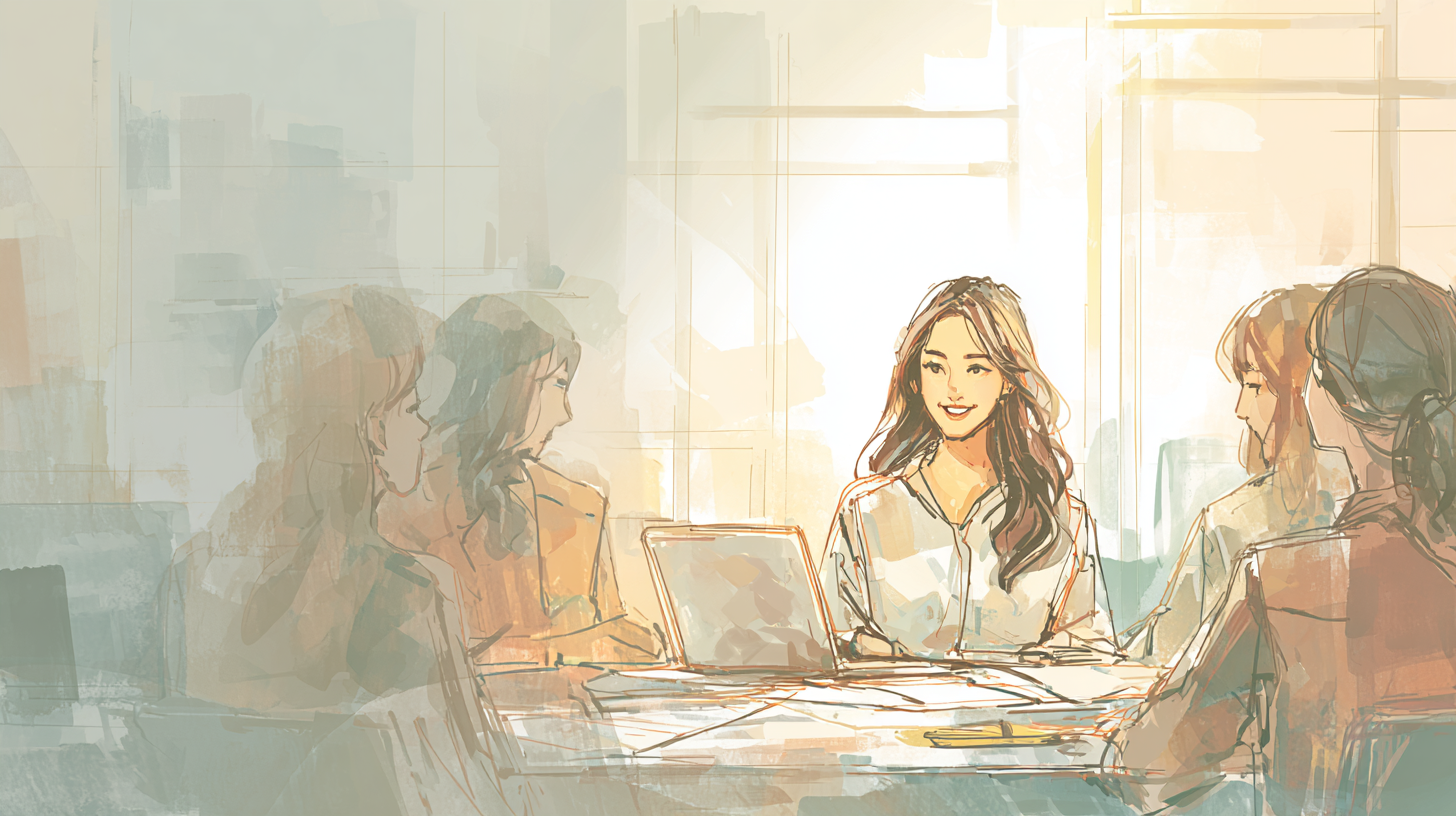
Wit is the skill to think fast and say something clever and funny.
witは、頭の回転が速くて、気の利いた面白いことを言える力のこと。
以下は英単語 “wit” に関するストーリー型学習コンテンツです。まずは大枠の意味を理解して最後の文章で確認しましょう。
「wit」の主な意味(main meaning)
| 品詞 | 主要な意味 | 英語定義 | 例文 | 発音記号(IPA) |
|---|---|---|---|---|
| noun | 機知、気の利いた面白さ | the ability to say clever and funny things | Her wit made everyone laugh in the meeting. | /wɪt/ |
| noun | 知性、理解力 | intelligence; the ability to think and understand quickly | He used his wit to solve the problem fast. | /wɪt/ |
「wit」の語源(etymology)
witは古英語のwitから来ていて、もともとは知ること、理解することという意味でした。
核のイメージは、頭の中のスイッチがすぐ入って、すばやく考えて言葉にできる感じ。
「wit」の類義語(synonyms)
| 類義語 | 基本的な意味 | 指定単語とのニュアンスの違い | 英語例文 |
|---|---|---|---|
| humor | ユーモア、面白さ | humorは全体的な面白さ。witは言葉の切れ味や頭の良さが強い。 | His humor made the office feel relaxed. |
| cleverness | 賢さ、工夫のうまさ | clevernessは賢いこと全般。witは特に会話での気の利いた一言。 | Her cleverness helped the team save time. |
| intelligence | 知能、知性 | intelligenceは勉強や理解力も含む広い言葉。witは瞬間的なひらめき寄り。 | His intelligence impressed the interviewer. |
| sarcasm | 皮肉 | sarcasmは相手をからかったり刺す感じになりやすい。witは相手を楽しませる方向が多い。 | Her sarcasm upset him a little. |
| repartee | うまい言い返し | reparteeは言い返しに特化。witは言い返し以外の面白さも含む。 | Their repartee kept the conversation lively. |
「wit」の反義語(antonyms)
| 反義語 | 基本的な意味 | 英語例文 |
|---|---|---|
| dullness | 退屈さ、鈍さ | The presentation was full of dullness. |
| stupidity | 愚かさ | Stupidity can cause serious mistakes at work. |
「wit」のコロケーション(collocations)
| コロケーション | 意味 | 英語例文 |
|---|---|---|
| quick wit | 頭の回転の速さ | Her quick wit saved the awkward moment. |
| sharp wit | 鋭い機知 | His sharp wit made the clients smile. |
| dry wit | さらっとした面白さ | She is known for her dry wit in emails. |
| a touch of wit | 少しの機知 | Add a touch of wit to your speech. |
| wit and charm | 機知と魅力 | He won them over with wit and charm. |
「wit」の2項表現(binomials)
| 2項表現 | 意味 | 英語例文 |
|---|---|---|
| wit and wisdom | 機知と知恵 | The coach spoke with wit and wisdom. |
| fun and games | 遊びや気楽なこと | This project is not all fun and games. |
| give and take | 譲り合い | Teamwork needs give and take. |
英語ストーリー(english story)
On Monday morning, our office felt unusually quiet. The air conditioner hummed, keyboards clicked, and everyone stared at their screens as if a single mistake could break the whole day. We had a big client meeting in the afternoon, and our team leader, Mr. Sato, looked more serious than usual.
I was checking the slides when Mina, my coworker, walked in with a cup of coffee and a calm smile. Mina was not loud, but she had something special. She had wit. Not the kind that tries too hard, but a quick wit that appeared at the perfect moment, like a light turning on in a dark room.
Mr. Sato called us to the meeting space. “We need to make the proposal clearer,” he said. “The client wants results, not just ideas.”
Ken, another coworker, sighed. “If we change the order again, we will never finish. This is not all fun and games.”
Mina raised her eyebrows. “True,” she said, “but a little give and take can save us later. If we fix the story now, we won’t have to apologize later.”
Her humor was gentle, but her cleverness was strong. She didn’t just say something funny. She understood what everyone felt, and she turned that pressure into energy.
We worked through lunch. The numbers were correct, but the message still felt dull. Mr. Sato frowned at the chart. “This part is too long,” he said. “The client will get bored.”
Ken tried to help, but his comments sounded like sarcasm. “Sure, let’s make it even shorter,” he said. “Maybe just one page. That will solve everything.”
The room went silent. Sarcasm can cut like a knife, and nobody wanted a fight right before the meeting.
Mina looked at Ken and smiled. “One page is brave,” she said, “but if we do that, we should print it on a huge poster and roll it into the client’s office.”
A few people laughed. The tension broke. It was sharp wit, but it didn’t hurt anyone. It was a touch of wit that reminded us we were on the same side.
Mr. Sato’s face relaxed a little. “Okay,” he said. “Let’s focus on the key points.”
Mina suggested a new structure: problem, solution, timeline, and expected results. It was simple, but strong. She used intelligence to organize the information and wit to make the language easy to follow.
At 2:30 p.m., the client arrived. Ms. Tanaka, the manager, sat at the front with two staff members. They looked tired, the kind of tired that comes from too many meetings and too little progress.
Mr. Sato started the presentation. The first few minutes were fine, but then the client asked a difficult question about cost. Ken began to explain, but his words became complicated. I could see Ms. Tanaka’s eyes losing focus. Dullness was slowly taking over the room.
Mina leaned forward. “May I add something?” she asked politely.
Mr. Sato nodded.
Mina pointed to the timeline. “Think of it like upgrading a smartphone,” she said. “You can keep the old one and deal with slow speed, or you can invest once and save time every day. Our plan is that one investment.”
Ms. Tanaka’s face changed. She understood immediately. Mina’s example was clear, and it had dry wit, the kind that is not loud but makes people smile because it is true.
One of the client’s staff members laughed softly. “So our current system is the old phone,” he said.
Mina replied with repartee. “Yes, and it’s the one that freezes right when you need it most.”
Everyone laughed, including Ms. Tanaka. The mood became warmer. After that, the conversation flowed. There was wit and charm in the room, but also wit and wisdom in the way Mina answered questions.
By the end of the meeting, Ms. Tanaka nodded. “This is the clearest proposal we’ve seen,” she said. “Let’s move forward.”
When the client left, Ken exhaled. “I almost ruined it,” he said. “My sarcasm was pointless.”
Mina shook her head. “We all get stressed,” she said. “The important thing is to choose words that help, not words that push people down.”
Mr. Sato smiled. “Mina,” he said, “your wit saved the day.”
Mina laughed. “It wasn’t magic,” she said. “Just teamwork, and a little quick thinking.”
The office returned to its normal sound, but it felt different now. Not because the work became easy, but because we remembered something simple: in a stressful place, wit can be more than a joke. It can be a tool that brings people together.
和訳
月曜の朝、オフィスはいつもより静かだった。空調の音、キーボードの音だけがして、みんなが画面を見つめていた。午後に大事な取引先との会議があり、チームリーダーの佐藤さんはいつもより真剣な顔をしていた。
私はスライドを確認していると、同僚のミナがコーヒーを持って入ってきた。ミナは大声で話すタイプではないが、特別なものを持っていた。wit(機知、気の利いた面白さ)だ。無理に笑わせるのではなく、ちょうどいい時に出てくるquick wit(頭の回転の速さ)のようなものだった。
佐藤さんが私たちを会議スペースに呼んだ。「提案をもっと分かりやすくしないといけない。取引先はアイデアだけじゃなく結果を求めている」
別の同僚のケンがため息をついた。「また順番を変えたら、永遠に終わらない。これはfun and games(遊びや気楽なこと)じゃない」
ミナは眉を上げた。「その通り。でもgive and take(譲り合い)が少しあれば、あとで助かるよ。今ここで話の流れを直せば、あとで謝らなくてすむ」
ミナのhumor(ユーモア)はやさしいが、cleverness(賢さ)は強かった。ただ面白いことを言うだけではなく、みんなの気持ちを理解して、そのプレッシャーをエネルギーに変えていた。
私たちは昼食も取らずに作業した。数字は正しいのに、伝えたいことがまだdull(退屈)に感じられた。佐藤さんはグラフを見て眉をひそめた。「ここは長すぎる。取引先が飽きる」
ケンは助けようとしたが、言い方がsarcasm(皮肉)っぽくなった。「もちろん、もっと短くしよう。たぶん1ページにすれば全部解決だね」
部屋は静まり返った。sarcasm(皮肉)は刃物みたいに刺さることがあり、会議前にケンカはしたくなかった。
ミナはケンを見て笑った。「1ページは勇気あるね。でもそうするなら、巨大なポスターに印刷して、取引先の部屋に丸めて持ち込もうよ」
何人かが笑った。緊張がほどけた。sharp wit(鋭い機知)だったが、誰も傷つけなかった。a touch of wit(少しの機知)が、私たちが同じチームだと思い出させた。
佐藤さんの表情も少し柔らかくなった。「よし。要点に集中しよう」
ミナは問題、解決策、予定、期待できる結果という構成を提案した。単純だが強い。彼女はintelligence(知性)で情報を整理し、wit(機知)で言葉を分かりやすくした。
午後2時半、取引先が来た。担当の田中さんが前に座り、スタッフ2人もいた。疲れているように見えた。会議が多すぎて、進みが少ないときの疲れだ。
佐藤さんがプレゼンを始めた。最初の数分はよかったが、費用について難しい質問が出た。ケンが説明を始めたが、言葉が複雑になった。田中さんの目の焦点が合わなくなっていくのが見えた。dullness(退屈さ)が部屋に広がり始めた。
ミナが身を乗り出した。「少し付け加えてもいいですか」と丁寧に言った。
佐藤さんはうなずいた。
ミナは予定表を指した。「スマホの買い替えだと思ってください。古いまま使って遅さに困り続けるか、一度投資して毎日時間を節約するかです。私たちの計画は、その一度の投資です」
田中さんの表情が変わった。すぐに理解したのだ。ミナの例えは分かりやすく、dry wit(さらっとした面白さ)もあった。大声ではないが、本当のことなので少し笑える感じだ。
取引先のスタッフの1人が小さく笑った。「じゃあ今のシステムは古いスマホですね」
ミナはrepartee(うまい言い返し)で返した。「そうです。そして一番必要な時に固まるやつです」
みんなが笑った。田中さんも笑った。空気が温かくなった。その後は会話がスムーズに進んだ。部屋にはwit and charm(機知と魅力)があり、質問への答え方にはwit and wisdom(機知と知恵)もあった。
会議の終わりに田中さんはうなずいた。「これは今までで一番分かりやすい提案です。進めましょう」
取引先が帰ると、ケンは息を吐いた。「危うく台無しにするところだった。僕のsarcasm(皮肉)は意味がなかった」
ミナは首を振った。「みんなストレスはあるよ。大事なのは、人を下げる言葉じゃなく、助ける言葉を選ぶこと」
佐藤さんは笑った。「ミナ、君のwit(機知)が今日を救った」
ミナは笑った。「魔法じゃないよ。チームワークと、少しのquick thinking(素早い考え)だよ」
オフィスはいつもの音に戻ったが、何かが違って感じられた。仕事が簡単になったからではなく、私たちがシンプルなことを思い出したからだ。ストレスのある場所で、wit(機知)はただの冗談以上になれる。人をまとめる道具にもなる。
「wit」のQ&A
- Qwitってどういう意味?
- A
witは頭の回転が速く、気の利いた面白いことを言える力のことだよ。
- Qwitはほめ言葉?
- A
多くの場合はほめ言葉で、賢くて言葉がうまい人に使うよ。
- Qhumorとwitの違いは?
- A
humorは面白さ全体で、witは特に言葉の切れ味や頭の良さが強いよ。
- Qclevernessとwitの違いは?
- A
clevernessは賢さ全般で、witは会話での気の利いた一言に近いよ。
- Qintelligenceとwitの違いは?
- A
intelligenceは知能や理解力の広い言葉で、witは瞬間的なひらめきや言葉のうまさ寄りだよ。
- Qsarcasmとwitの違いは?
- A
sarcasmは皮肉で相手を傷つけやすいけど、witは場をよくする面白さになりやすいよ。
- Qreparteeってwitと同じ?
- A
reparteeはうまい言い返しに特化していて、witはもっと広い機知のことだよ。
- Qquick witって何?
- A
quick witはその場で素早く気の利いたことを言える頭の回転の速さだよ。
- Qwit and wisdomはどんな時に使う?
- A
wit and wisdomは面白さだけでなく、知恵もある話し方を表したい時に使うよ。
- Qwitのコロケーションで覚えるなら何がいい?
- A
quick wit、sharp wit、dry witみたいに形容詞と一緒に覚えると使いやすいよ。


コメント