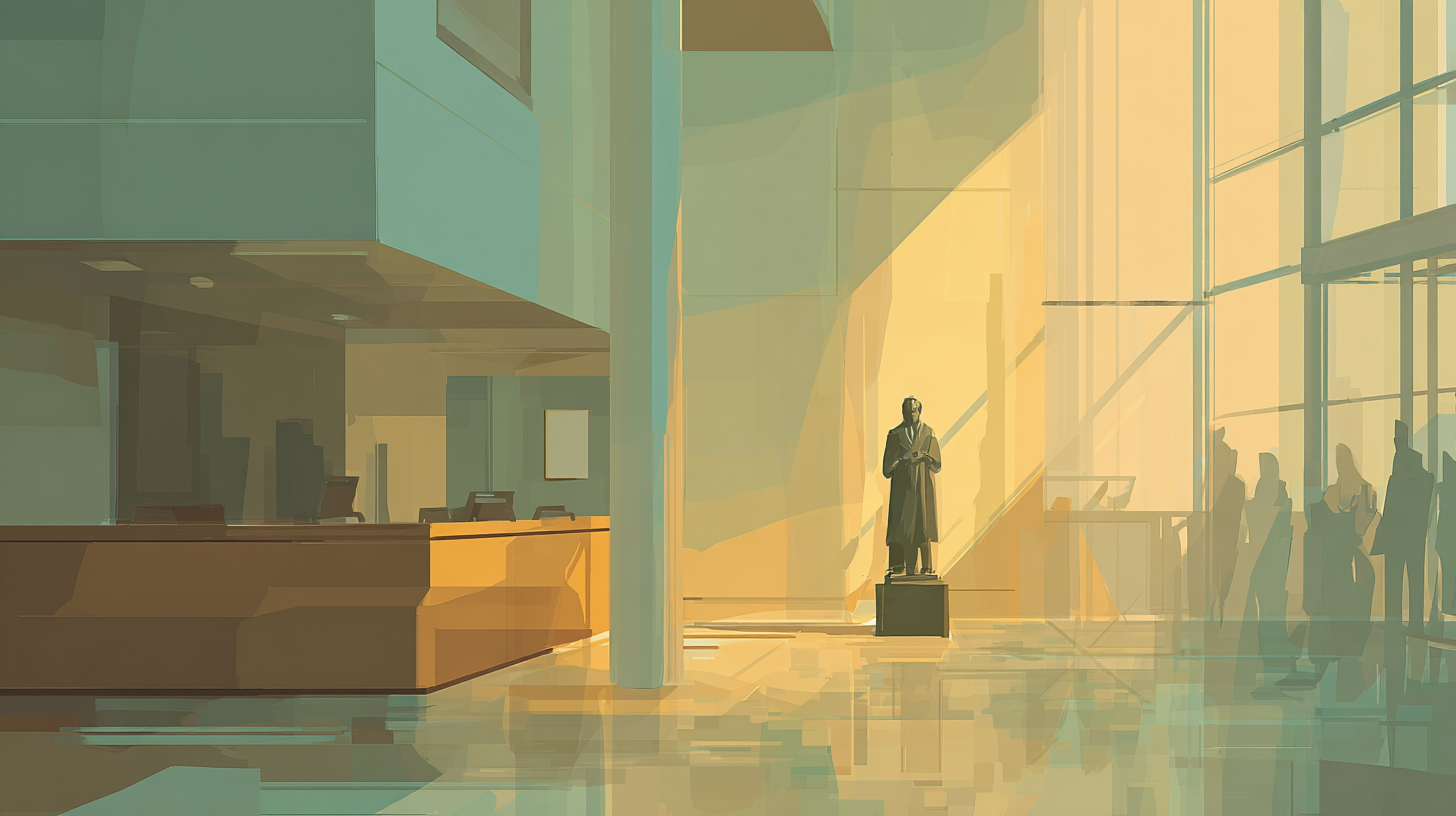
A statue is a big model of a person or animal made of stone or metal.
statue は 石や金属で作られた人や動物の 立体の像 のこと。
以下は英単語 “statue” に関するストーリー型学習コンテンツです。まずは大枠の意味を理解して最後の文章で確認しましょう。
「statue」の主な意味(main meaning)
| 品詞 | 意味 | 英語定義 | 英語例文 | 発音記号 |
|---|---|---|---|---|
| noun | 像、彫像 | a figure of a person or animal made from stone, metal, etc. | A statue of the founder stands in front of the building. | /ˈstætʃuː/ |
| noun | 法律上の規定(statute の意味に近いが、実際は statue より statute が普通) | a written rule made by a government (usually said as “statute”) | The policy follows a statute passed by Congress. | /ˈstætʃuː/ |
「statue」の語源(etymology)
ラテン語の statuere(立てる、置く)がもとになった言葉。
核のイメージは「しっかり立って動かないものを置く」。
「statue」の類義語(synonyms)
| 類義語 | 基本的な意味 | 指定単語とのニュアンスの違い | 英語例文 |
|---|---|---|---|
| sculpture | 彫刻作品(広い) | statue は特に人や動物の形の像が多いが、sculpture は形が抽象的でもよい | The museum displayed a modern sculpture made of glass. |
| monument | 記念物 | statue は「像」そのもの、monument は「記念のための大きな物」で像以外もある | They built a monument to honor the victims. |
| figure | 人や動物の形の像、姿 | statue より小さい置物や、形だけを指すことも多い | A small figure of a cat sat on the shelf. |
| memorial | 追悼の記念物、追悼行事 | statue は形のある像、memorial は「追悼」が中心で像とは限らない | A memorial was held for the lost workers. |
| effigy | 人物を表した像(人形) | statue より「その人を表すための像」という意味が強く、否定的な場面もある | Protesters burned an effigy of the leader. |
「statue」の反義語(antonyms)
| 反義語 | 意味 | 英語例文 |
|---|---|---|
| person | 生きている人 | The person spoke to the crowd, not a statue. |
| movement | 動き | You can feel movement in the dance, unlike a statue. |
「statue」のコロケーション(collocations)
| コロケーション | 意味 | 英語例文 |
|---|---|---|
| build a statue | 像を建てる | The city decided to build a statue for the hero. |
| a bronze statue | 青銅の像 | We saw a bronze statue in the park. |
| a marble statue | 大理石の像 | The marble statue looked very smooth and white. |
| a statue of A | Aの像 | There is a statue of a famous writer near the station. |
| unveil a statue | 像を除幕する | They will unveil a statue at the ceremony tomorrow. |
「statue」の2項表現(binomials)
| 2項表現 | 意味 | 英語例文 |
|---|---|---|
| stone and metal | 石と金属 | The artist works with stone and metal to create statues. |
| old and new | 古いものと新しいもの | The town mixes old and new, with a statue beside a modern café. |
英語ストーリー(english story)
At our office, we have a small lobby that visitors walk through before they reach the meeting rooms. Most people only notice the reception desk and the company logo on the wall. But one Monday morning, something new appeared: a tall statue covered with a white cloth.
I work in General Affairs, so when strange objects show up, people look at me as if I can explain everything. “Do you know what that is?” my coworker Mika asked. She pointed at the cloth and lowered her voice, like it was a secret.
“I heard it’s for the anniversary event,” I said. “They will unveil a statue on Friday.”
At lunch, the rumor grew. Some employees said it would be a monument to our founder. Others insisted it was modern sculpture, maybe something abstract that nobody would understand. One person even joked it might be an effigy of our strict former CEO, and everyone laughed a little too loudly.
On Tuesday, our manager called a short meeting. “We’re preparing the ceremony,” he said. “This statue is part of our new lobby design. Please help keep the area clean and quiet.”
After the meeting, I walked to the lobby to check the space. The cloth moved slightly because of the air conditioner, but the shape underneath stayed still, like a person holding their breath. It reminded me that a statue has no movement, even if it looks alive.
Later that day, a client arrived early. While waiting, he stared at the covered figure and asked, “Is that a memorial?”
“Not exactly,” I answered. “It’s a statue for our founder, I think.”
He nodded. “Interesting. A statue can change how people feel about a place. It makes the story visible.”
On Wednesday, I helped set up signs and ropes. The lobby was a mix of old and new: old photos of the company’s first office on one side, and a new digital screen on the other. The covered statue stood in the center like a silent guard.
That evening, I stayed late to finish some paperwork. When I passed the lobby, I noticed the cloth had slipped a little, showing a corner of shiny material. It looked like bronze. “So it’s a bronze statue,” I whispered to myself.
On Friday, the ceremony began. Employees gathered, and the founder’s family came too. Cameras were ready. Our president gave a speech about the past and the future, about teamwork, and about building trust with customers. Then two staff members pulled the cloth away.
There it was: a statue of our founder, standing straight, holding a notebook in one hand. The face looked calm, and the posture looked confident. It was not scary, not funny, and not abstract. It was simple and clear, made from stone and metal details, and it fit the lobby perfectly.
People clapped. Some took photos. Mika leaned toward me and said, “It’s nicer than I expected.”
I smiled. “Yeah. It feels like a real person, but it’s still just a statue.”
At that moment, our president walked down and placed a small plaque at the base. The founder’s grandson bowed politely. I realized something: a person can speak, change, and grow, but a statue stays. Still, it can quietly remind us what we want to become.
和訳
私たちの会社のオフィスには、小さなロビーがあり、来客は会議室に行く前にそこを通ります。多くの人は受付と壁の会社ロゴしか見ません。でも月曜の朝、新しいものが現れました。白い布で覆われた背の高い像(statue:像)です。
私は総務なので、変な物が出てくると、みんな私が説明できると思って見てきます。「あれ何?」と同僚のミカが聞きました。秘密みたいに声を落として布を指しました。
「記念イベント用らしいよ」と私は言いました。「金曜に像(statue:像)を除幕する(unveil a statue:像を除幕する)んだって。」
昼休みにはうわさが広がりました。創業者のための記念物(monument:記念物)だという人もいれば、現代彫刻(sculpture:彫刻)で、抽象的で誰も理解できないかもと言う人もいました。厳しかった元CEOの人形像(effigy:人物を表した像)かもしれないと冗談を言う人までいて、みんな少し大きめに笑いました。
火曜、上司が短い打ち合わせをしました。「式の準備をしている」と言い、「この像(statue:像)はロビーの新しいデザインの一部だ。周りをきれいにして静かにしてほしい」と伝えました。
会議後、私はロビーのスペースを確認しに行きました。布はエアコンの風で少し動きましたが、中の形は動かず、息を止めている人みたいでした。像(statue:像)は生きているように見えても動き(movement:動き)がない、と思い出しました。
その日の後半、取引先の人が早く着きました。待ちながら布の人影を見つめ、「追悼の記念(memorial:追悼の記念)ですか?」と聞きました。
「それは違います」と私は答えました。「たぶん創業者の像(statue:像)です。」
彼はうなずきました。「面白いですね。像(statue:像)があると、その場所の感じ方が変わる。物語が目に見える形になるんです。」
水曜、私は案内表示とロープの設置を手伝いました。ロビーは古いものと新しいもの(old and new:古いものと新しいもの)が混ざっていました。片側には最初のオフィスの古い写真、反対側には新しいデジタル画面。布で覆われた像(statue:像)は中央に立ち、静かな番人のようでした。
その晩、書類仕事を終えるために残業しました。ロビーを通ると、布が少しずれて光る素材が見えました。青銅のようでした。「青銅の像(a bronze statue:青銅の像)なんだ」と私は小声で言いました。
金曜、式が始まりました。社員が集まり、創業者の家族も来ました。カメラも準備されました。社長は過去と未来、チームワーク、顧客との信頼について話しました。それからスタッフ2人が布を引きました。
そこにあったのは、創業者の像(a statue of:の像)でした。まっすぐ立ち、片手にノートを持っていました。表情は落ち着いていて、姿勢は自信があるように見えました。怖くも面白くも抽象的でもありません。シンプルで分かりやすく、石と金属(stone and metal:石と金属)の細部があり、ロビーにぴったりでした。
みんな拍手し、写真を撮る人もいました。ミカが私に顔を寄せて言いました。「思ったよりいいね。」
私は笑いました。「うん。本物の人みたいだけど、やっぱり像(statue:像)だね。」
そのとき社長が降りてきて、台座に小さなプレートを置きました。創業者の孫が丁寧にお辞儀をしました。私は気づきました。人(person:人)は話し、変わり、成長できるけれど、像(statue:像)はそのままです。それでも、私たちがどうなりたいかを静かに思い出させてくれるのです。
「statue」のQ&A
- Qstatue はどういう意味?
- A
statue は石や金属で作られた人や動物の像のことです。
- Qstatue と sculpture の違いは?
- A
sculpture は彫刻作品全体を広く言い、statue は人や動物の像を言うことが多いです。
- Qstatue と monument の違いは?
- A
monument は記念のための大きな物で、像だけでなく建物なども含みます。
- Qstatue は人以外にも使える?
- A
使えますが、多くは人や動物の形の像に使われます。
- Qa statue of の形はどう使う?
- A
a statue of 名詞 で「名詞の像」という意味になります。
- Qbuild a statue はどういう場面で使う?
- A
功績をたたえるときなどに像を建てる場面で使います。
- Qunveil a statue はどんな意味?
- A
式で布を外して像を公開するという意味です。
- Qstatue の反対に近い言葉は何?
- A
person や movement のように、生きていたり動きがあるものが反対のイメージです。
- Qfigure は statue とどう違う?
- A
figure は小さい置物や形だけを指すことが多く、statue は大きい像のことが多いです。
- Qstone and metal はどんな場面で使える?
- A
石と金属など材料を並べて言うときに使えます。


コメント