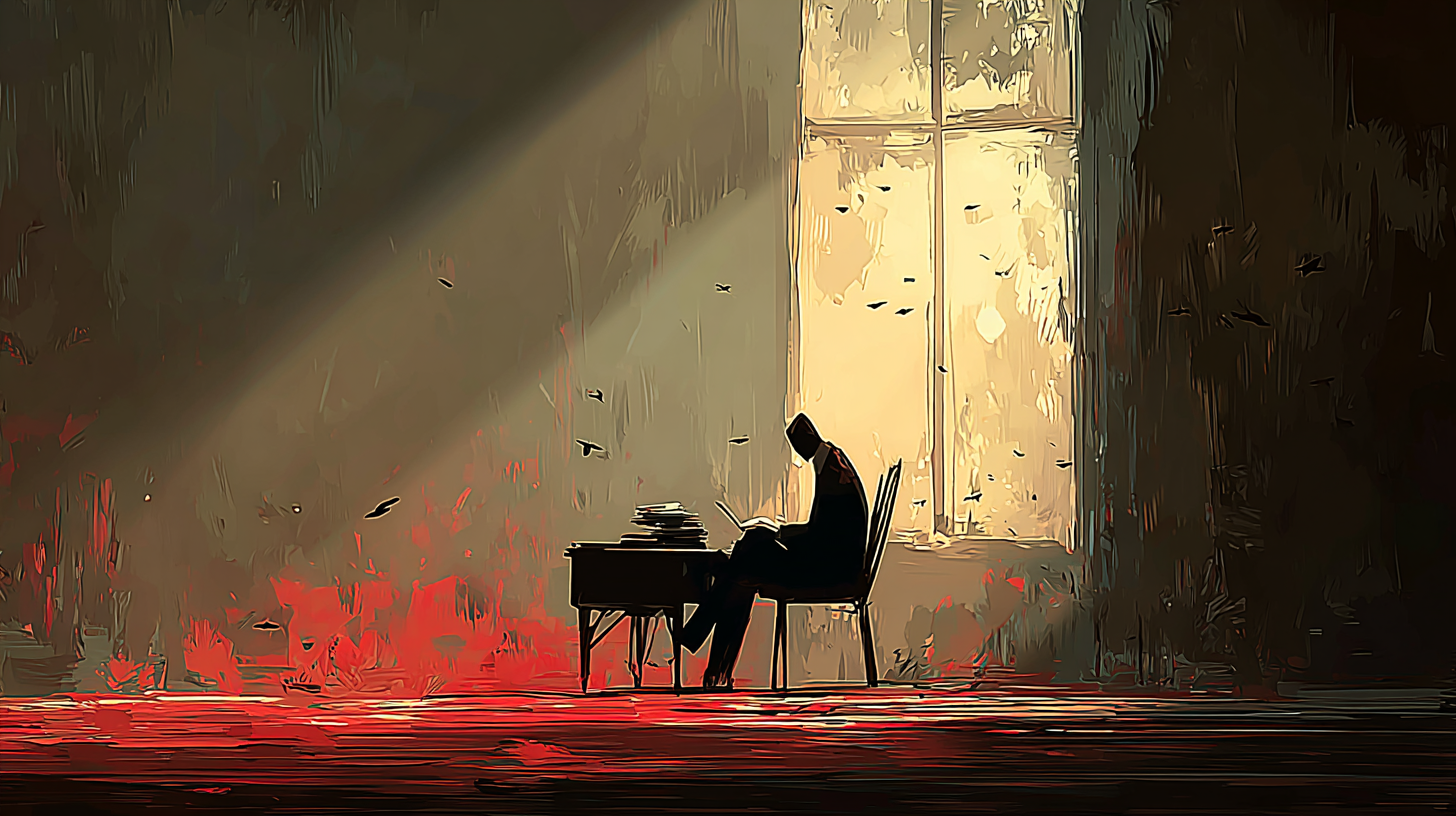
A playwright is a person who writes plays.
playwright は「劇の台本を書く人(劇作家)」という意味だよ。
以下は英単語 “playwright” に関するストーリー型学習コンテンツです。まずは大枠の意味を理解して最後の文章で確認しましょう。
「playwright」の主な意味(main meaning)
| 品詞 | 意味 | 簡潔な英語定義 | 英語例文(1文) | 発音記号(IPA) |
|---|---|---|---|---|
| noun | 劇作家 | a person who writes plays for the theater | The playwright revised the final scene before rehearsal. | /ˈpleɪraɪt/ |
「playwright」の語源(etymology)
playwright は play(劇)と wright(作る人)からできた言葉で、wright は「車輪を作る人」などのように「何かを作る職人」を表す古い言い方につながります。
核のイメージは「劇を組み立てて形にする職人」です。
「playwright」の類義語(synonyms)
| 類義語 | 基本的な意味 | 指定単語とのニュアンスの違い | 英語例文 |
|---|---|---|---|
| dramatist | 劇作家 | playwright とほぼ同じだが、少し硬い言い方で文章や評論でも見かけやすい | The dramatist was praised for sharp dialogue. |
| author | 著者 | 小説や本も含む広い言葉で、劇に限定しない | The author signed copies after the event. |
| scriptwriter | 脚本家 | 映画やドラマなど映像の脚本にもよく使い、舞台劇に限らない | The scriptwriter pitched a new TV series idea. |
| librettist | 台本作者(オペラなど) | オペラやミュージカルの歌詞や台本など、音楽作品寄りで使う | The librettist adjusted the lyrics to fit the melody. |
| dramatizer | 脚色する人 | もとの小説などを「劇に作り替える」人で、ゼロから書くとは限らない | The dramatizer turned the novel into a stage version. |
「playwright」の反義語(antonyms)
| 反義語 | 基本的な意味 | 英語例文 |
|---|---|---|
| spectator | 観客 | The spectator stayed silent until the curtain call. |
| improviser | 即興で演じる人 | An improviser can create scenes without a script. |
「playwright」のコロケーション(collocations)
| コロケーション | 意味 | 英語例文 |
|---|---|---|
| an acclaimed playwright | 高く評価された劇作家 | The theater invited an acclaimed playwright for a talk. |
| an aspiring playwright | 目指している劇作家 | As an aspiring playwright, she writes every weekend. |
| a contemporary playwright | 現代の劇作家 | A contemporary playwright often tackles social issues. |
| playwright-in-residence | 劇場付き作家 | The company hired a playwright-in-residence for a full season. |
| a playwright workshop | 劇作家向けの講座 | He joined a playwright workshop to improve his dialogue. |
「playwright」の2項表現(binomials)
| 2項表現 | 意味(日本語) | 英語例文 |
|---|---|---|
| writer and director | 制作の中心人物(脚本と演出) | The writer and director explained the concept to the team. |
| script and stage | 台本と舞台 | They worked on the script and stage at the same time. |
| trial and error | 試行錯誤 | Through trial and error, the scene became clearer. |
英語ストーリー(english story)
At 9:00 a.m., the meeting room of BrightBridge Theater Company was already full. Maya, the office coordinator, placed printed schedules on the table and checked the projector. Today’s agenda was simple: finalize the new production plan before the first rehearsal next week.
Jordan, the playwright, arrived a little late with a laptop under one arm and a coffee in the other. He looked tired but focused. “Sorry,” he said, taking a seat. “I stayed up fixing the ending.”
Maya nodded. “No problem. We’re glad you’re here. Everyone wants to know what changed.”
Across the table, Ms. Chen, the producer, smiled politely. “Jordan, your work is strong. People say you’re becoming an acclaimed playwright. But we also need a clear plan. Marketing needs a summary today.”
Jordan opened his laptop and showed a new slide. “I tried to make the last scene more honest,” he said. “I’m not just an author writing words for a page. I want this to live onstage.”
Rina, the stage manager, raised her hand. “Before we talk about the ending, I have a schedule issue. The cast can’t rehearse the final scene on Thursday because the main stage is booked.”
Ms. Chen sighed. “Then we have to use Studio B. That means the script and stage won’t match perfectly.”
Jordan leaned forward. “Studio B is fine for blocking. We can adjust later. Through trial and error, we’ll get it right.”
At that moment, Leo, the marketing assistant, entered with a stack of flyers. “Sorry to interrupt,” he said. “The poster draft is almost done, but we need one sentence to describe the story. Also, we should decide how to introduce Jordan. Should we say playwright, dramatist, or scriptwriter?”
Maya noticed Jordan’s expression. He didn’t seem angry, but he looked careful, like he was choosing every word.
Ms. Chen answered first. “Playwright is best. This is a stage production. Dramatist sounds formal, and scriptwriter makes people think of TV.”
Leo nodded. “Got it. Playwright it is.”
Jordan relaxed a little. “Thanks,” he said. “I know labels can be tricky. I’m still an aspiring playwright in some ways. I’m learning every project.”
Rina flipped through her notes. “About the ending: do we have time to review it today? The actors need the final pages.”
Jordan hesitated. “Yes, but I want feedback. I’m not trying to be a lone genius. I want the team to understand why the character chooses silence.”
Ms. Chen leaned back. “Let’s read it now.”
They spent the next twenty minutes reading the last scene aloud. When they finished, the room was quiet. Even Leo, who usually checked his phone, looked up.
Maya broke the silence carefully. “It’s powerful,” she said. “But I’m worried the audience will feel confused. The character quits without explaining anything.”
Jordan nodded. “That’s the point. Sometimes people leave without a speech.”
Rina added, “It’s realistic, but we might need a small hint earlier. Otherwise the spectator won’t connect the dots.”
Ms. Chen tapped her pen. “Jordan, could you add one line in Act Two? Something short. That would help.”
Jordan thought for a moment. “I can do that. I don’t want to spoon-feed, but I also don’t want the audience lost.”
Leo raised his hand again. “If you add that line, the summary becomes easier. Also, the social media team wants a behind-the-scenes post. We could mention that you joined a playwright workshop years ago. People like that kind of story.”
Jordan smiled. “Sure. I did join one. It helped me stop writing like a dramatizer who only adapts someone else’s work. I learned to build scenes from scratch.”
Ms. Chen looked satisfied. “Good. And one more thing: our director is traveling tomorrow. We need you to meet with the writer and director today to confirm the tone.”
Jordan glanced at Maya. “I can meet after lunch.”
Maya checked the schedule. “Perfect. One last question: on Thursday in Studio B, the actors want to warm up with improv. They asked if you’re okay with that.”
Jordan laughed softly. “An improviser can surprise us, but I still want them to respect the script. Improv is fine as a warm-up, as long as rehearsal stays focused.”
Rina wrote it down. “Great. Then we’re set. Jordan, please send the updated pages by 5 p.m.”
As the meeting ended, Maya watched everyone stand and gather their things. The plan was not perfect, but it was real. Jordan wasn’t just delivering pages; he was shaping a living project with the team. In an office full of deadlines, that felt like a small miracle.
和訳
午前9時、BrightBridge Theater Companyの会議室はすでに人でいっぱいだった。事務調整役のマヤは、印刷したスケジュールを机に置き、プロジェクターを確認した。今日の議題は単純で、来週の最初の稽古の前に新作の制作計画を確定させることだった。
劇作家(playwright:劇作家)のジョーダンは、片腕にノートパソコン、もう片方にコーヒーを持って少し遅れて入ってきた。疲れているようだったが、集中していた。「ごめん」と席につきながら言った。「結末を直していて夜更かしした。」
マヤはうなずいた。「大丈夫。来てくれて助かる。みんな、何が変わったか知りたがってる。」
向かいの席で、プロデューサーのチェンさんが丁寧に微笑んだ。「ジョーダン、あなたの作品は強い。あなたは評価の高い劇作家(an acclaimed playwright:高く評価された劇作家)になりつつあると言われている。でも私たちははっきりした計画も必要よ。マーケティングが今日、要約を必要としているの。」
ジョーダンはノートパソコンを開き、新しいスライドを見せた。「最後の場面をもっと正直にしたかった」と言った。「本の著者(author:著者)として紙の上に言葉を書くのとは違う。舞台で生きるものにしたい。」
ステージマネージャーのリナが手を挙げた。「結末の話の前に、スケジュールの問題があります。木曜日はメインステージが予約で埋まっていて、キャストが最後の場面を稽古できません。」
チェンさんはため息をついた。「じゃあスタジオBを使うしかないわ。そうすると台本と舞台(script and stage:台本と舞台)が完全には一致しない。」
ジョーダンは身を乗り出した。「スタジオBで立ち位置を決めるのは問題ない。あとで調整できる。試行錯誤(trial and error:試行錯誤)で、うまく仕上げよう。」
その時、マーケティング助手のレオがチラシの束を持って入ってきた。「邪魔してすみません」と言った。「ポスター案はほぼ完成ですが、物語を説明する一文が必要です。それと、ジョーダンをどう紹介するか決めたい。劇作家(playwright:劇作家)と言うべきか、劇作家(dramatist:劇作家)か、脚本家(scriptwriter:脚本家)か。」
マヤはジョーダンの表情に気づいた。怒っているわけではないが、言葉を一つずつ選ぶように慎重だった。
チェンさんが先に答えた。「playwrightが一番いい。これは舞台作品だから。dramatistは硬く聞こえるし、scriptwriterだとテレビを思い浮かべる人がいる。」
レオはうなずいた。「了解。playwrightにします。」
ジョーダンは少し肩の力を抜いた。「ありがとう」と言った。「呼び方って難しいよね。僕はある意味、目指している段階の劇作家(an aspiring playwright:目指している劇作家)でもある。作品ごとに学んでる。」
リナはメモをめくった。「結末について、今日レビューする時間はありますか。俳優が最終ページを必要としています。」
ジョーダンは少し迷った。「ある。でも意見がほしい。孤独な天才みたいになりたいわけじゃない。主人公が沈黙を選ぶ理由を、チームに理解してほしい。」
チェンさんは椅子にもたれた。「じゃあ今読もう。」
彼らは次の20分、最後の場面を声に出して読んだ。読み終えると、部屋は静かになった。普段はスマホを見がちなレオでさえ顔を上げていた。
マヤが慎重に沈黙を破った。「力強いです」と言った。「でも観客(audience)は混乱するかもしれない。主人公が何も説明せずに辞めてしまうから。」
ジョーダンはうなずいた。「それが狙い。人は時々、演説なしで去るんだ。」
リナが付け加えた。「現実的だけど、少し早い段階で小さなヒントが必要かも。そうしないと観客の一人(spectator:観客)がつながりを感じにくい。」
チェンさんはペンを机に軽く当てた。「ジョーダン、第二幕に一行足せる?短いのでいい。それで助かる。」
ジョーダンは少し考えた。「できる。説明しすぎたくはないけど、観客が置いていかれるのも嫌だ。」
レオがまた手を挙げた。「その一行が入れば要約も作りやすいです。それにSNSチームが舞台裏投稿をしたがっています。昔、劇作家向け講座(a playwright workshop:劇作家向けの講座)に参加した話を入れてもいいですか。そういう話、みんな好きなので。」
ジョーダンは笑った。「いいよ。参加した。脚色する人(dramatizer:脚色する人)みたいに誰かの作品を作り替えるだけの書き方をやめる助けになった。ゼロから場面を組み立てることを学んだんだ。」
チェンさんは満足そうだった。「いいわ。もう一つ。明日、演出家が移動で不在なの。今日中に制作の中心人物(writer and director:制作の中心人物)と会って、トーンを確認して。」
ジョーダンはマヤを見た。「昼食後に会えるよ。」
マヤは予定表を確認した。「完璧。最後に一つ。木曜のスタジオBで、俳優たちが即興で演じる人(improviser:即興で演じる人)的な練習でウォームアップしたいそうです。それで大丈夫ですか。」
ジョーダンは小さく笑った。「即興で演じる人(improviser:即興で演じる人)は驚きをくれるけど、台本は大事にしてほしい。ウォームアップとしての即興はいい。ただし稽古は集中して進めよう。」
リナは書き留めた。「よし。これで決まり。ジョーダン、午後5時までに更新したページを送って。」
会議が終わり、マヤはみんなが立ち上がって荷物をまとめるのを見ていた。計画は完璧ではないが、現実的だった。ジョーダンはページを渡すだけではなく、チームと一緒に生きた作品を形にしていた。締め切りだらけの職場で、それは小さな奇跡のように感じられた。
「playwright」のQ&A
- Qplaywright はどんな意味ですか
- A
playwright は劇の台本を書いて舞台で上演される作品を作る人という意味です
- Qplaywright と dramatist はどう違いますか
- A
dramatist は playwright とほぼ同じですが少しかたい言い方で文章で見かけやすいです
- Qplaywright と author はどう使い分けますか
- A
author は本や小説なども含む広い言葉で劇に限らず使えます
- Qplaywright と scriptwriter はどう違いますか
- A
scriptwriter は映画やドラマなど映像の脚本にもよく使い舞台だけに限りません
- Qlibrettist はどんなときに使いますか
- A
librettist はオペラやミュージカルなど音楽作品の台本や歌詞を書く人に使います
- Qdramatizer は playwright と何が違いますか
- A
dramatizer は小説などを劇用に作り替える人でゼロから書くとは限りません
- Qplaywright の反対っぽい言葉は何ですか
- A
spectator は観る人で improviser は台本なしで即興で演じる人なので playwright と役割が反対になります
- Qan aspiring playwright はどんな人を指しますか
- A
an aspiring playwright はまだ成長途中で劇作家を目指して学びながら書いている人です
- Qplaywright-in-residence は何をする人ですか
- A
playwright-in-residence は特定の劇場や劇団に所属して一定期間作品を書く担当の人です
- Qscript and stage や trial and error はどんな場面で使いますか
- A
script and stage は台本と舞台の両方を一緒に考える場面で trial and error は何度も試して直す場面で使います


コメント