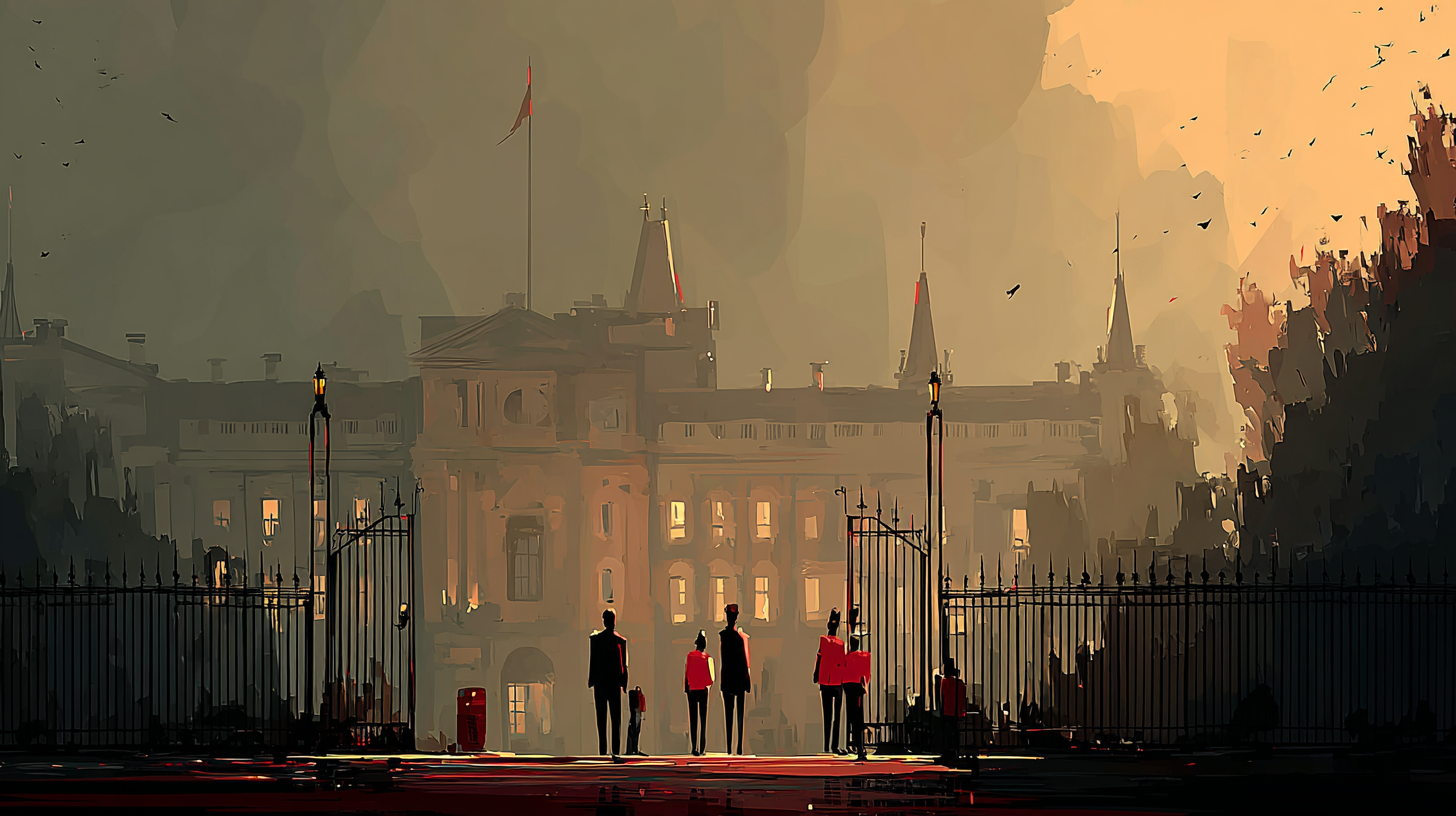
A palace is a very big and beautiful building where a king or queen lives.
palace は、王さまやえらい人が住む、とても大きくて豪華な建物のこと。
以下は英単語 “palace” に関するストーリー型学習コンテンツです。まずは大枠の意味を理解して最後の文章で確認しましょう。
「palace」の主な意味(main meaning)
| 品詞 | 意味 | 英語定義 | 英語例文 | 発音記号 |
|---|---|---|---|---|
| noun | 王や王族が住む大きく豪華な建物 | a large, beautiful building where a king, queen, or ruler lives | The ambassador was invited to the palace for a formal dinner. | /ˈpæl.ɪs/ |
| noun | とても立派で大きな建物(比ゆ的) | a very large and impressive building | Their new headquarters looks like a palace. | /ˈpæl.ɪs/ |
「palace」の語源(etymology)
palace は、古い言葉で「王の丘(宮殿がある場所)」を指した語から来ています。
核となるイメージは「権力の中心にある、豪華で大きな住まい」です。
「palace」の類義語(synonyms)
| 類義語 | 基本的な意味 | 指定単語とのニュアンスの違い | 英語例文 |
|---|---|---|---|
| castle | 城 | castle は守るための強い建物のイメージが強い。palace は住むための豪華さが中心。 | The old castle stands on the hill above the town. |
| mansion | 大邸宅 | mansion はお金持ちの家で、王族とは限らない。palace は王や支配者の住まいの感じ。 | They bought a mansion with a huge garden. |
| chateau | (フランス風の)大きな館 | chateau は地方の大きな館やぶどう園の館などにも使う。palace は政治や王権の中心の印象。 | We toured a chateau in the countryside. |
| royal residence | 王族の住まい | 意味は近いが、royal residence は説明的で一般語。palace は建物の格と豪華さが強く出る。 | The royal residence is closed to visitors today. |
| grand house | 立派な家・館 | grand house は幅広く使える表現で、格式はあるが palace ほど特別ではない。 | The grand house hosted a charity event. |
「palace」の反義語(antonyms)
| 反義語 | 基本的な意味 | 英語例文 |
|---|---|---|
| hut | 小屋 | They slept in a hut near the beach. |
| shack | 粗末な小屋 | He lives in a shack with a leaking roof. |
「palace」のコロケーション(collocations)
| コロケーション | 基本的な意味 | 英語例文 |
|---|---|---|
| royal palace | 王宮 | The royal palace attracts thousands of visitors every day. |
| palace guard | 宮殿の警備員 | A palace guard stood perfectly still at the entrance. |
| palace gates | 宮殿の門 | The palace gates opened slowly for the ceremony. |
| visit the palace | 宮殿を訪れる | Our team will visit the palace after the meeting. |
| inside the palace | 宮殿の中で | Photos are not allowed inside the palace. |
「palace」の2項表現(binomials)
| 2項表現 | 基本的な意味 | 英語例文 |
|---|---|---|
| kings and queens | 王と女王(王族) | The exhibit tells stories of kings and queens from many countries. |
| power and privilege | 権力と特権 | The film explores power and privilege in the royal family. |
| history and heritage | 歴史と受け継がれた文化 | The tour focuses on history and heritage, not just beautiful rooms. |
英語ストーリー(english story)
On Monday morning, our office was louder than usual. I work at a small event company, and we had a special project: planning a reception for a foreign delegation. The reception would be held at the palace in our city, and our team was responsible for the schedule, the guests, and the staff.
My manager, Ms. Sato, placed a thick folder on my desk. “We need to be careful,” she said. “It’s not just a beautiful building. It’s a place with rules. One mistake could embarrass our client.”
I opened the folder and saw photos of the royal palace. The white walls, the long corridors, and the wide stairs looked like something from a movie. Even though I had visited museums before, I had never worked in a place like this. The building was clearly different from a castle, which always made me think of battles and strong stone walls. This place was made to impress, not to defend. It was also different from a mansion. A mansion can be huge, but it still feels like someone’s private home. The palace felt like the center of the country.
At ten o’clock, we had a video call with the client. They wanted a reception that showed “history and heritage” while still feeling modern. After the call, Ms. Sato asked me to create a route for the guests: entrance, greeting line, dinner, short speeches, and a guided walk.
“The guided walk is important,” she said. “People will want to see inside the palace, but we must protect the rooms.”
In the afternoon, we went for a site visit. When we arrived, the palace gates were already open, but we had to show our IDs. A palace guard checked our names and reminded us to keep our voices low. Inside, the air smelled clean and dry, like polished wood. The ceilings were high, and the lights were soft. I tried not to stare, but every room looked like a grand house from a history book.
We met Mr. Hayashi, the coordinator from the royal residence office. He spoke calmly, but his eyes were sharp. “Please remember,” he said, “no photos inside the palace. Also, do not touch the walls or the furniture.”
He guided us through the main hall and stopped near a set of doors. “This area is restricted,” he said. “Guests can look, but they cannot enter.”
As we walked, I noticed how quiet everything was. In my mind, I compared it to a hut I once saw during a volunteer trip. That hut was simple and warm, and the family inside smiled easily. Here, the rooms were larger than my entire apartment, yet I felt nervous. I also remembered a shack near the river behind my old school. It was falling apart, and nobody cared about it. The palace was the opposite: every detail mattered, and someone was always watching.
Back at the office, I worked on the plan. I wrote: “Guests will visit the palace at 6:00 p.m. Staff will guide them from the entrance to the main hall. Security will be stationed near the palace gates.” I also added a short explanation about the theme: “This reception highlights kings and queens, and the role of power and privilege in shaping culture.”
The next day, a problem appeared. The client asked for a small performance in the hall, but Mr. Hayashi had already told us that the hall’s floor was delicate. Ms. Sato called me into the meeting room.
“We need a solution,” she said. “Something respectful, but still memorable.”
I thought for a moment and suggested a simple string quartet near the entrance, not in the hall. “It won’t be loud,” I said. “And guests can still enjoy it during the greeting line.”
Ms. Sato nodded. “Good. Let’s propose that.”
We sent the proposal, and the client agreed. On the evening of the reception, everything moved smoothly. The palace guard watched quietly, the guests followed the route, and the music stayed gentle. When the final speech ended, I looked around and felt a strange mix of relief and pride. It wasn’t my palace, and I didn’t belong to kings and queens, but for one night, our team helped the place shine.
和訳
月曜日の朝、私たちのオフィスはいつもよりにぎやかでした。私は小さなイベント会社で働いていて、特別な案件がありました。外国の代表団のレセプションを計画する仕事です。会場は市内の palace で、私たちのチームはスケジュール、招待客、スタッフの管理を担当しました。
上司の佐藤さんが分厚いファイルを私の机に置きました。「気をつけてね」と彼女は言いました。「ただきれいな建物じゃない。ルールがある場所よ。ミスをしたら依頼主の面子をつぶしてしまう。」
私はファイルを開き、royal palace(royal palace:王宮)の写真を見ました。白い壁、長い廊下、広い階段は映画のようでした。博物館には行ったことがあっても、こんな場所で仕事をしたことはありません。建物の雰囲気は castle(castle:城)とは明らかに違いました。castle は戦いや分厚い石の壁を思い出しますが、ここは守るためではなく、見せるために作られている感じです。それに mansion(mansion:大邸宅)とも違いました。mansion は大きくても誰かの私的な家の感じが残りますが、この palace は国の中心のように感じました。
10時に依頼主とオンライン会議がありました。依頼主は「history and heritage(history and heritage:歴史と受け継がれた文化)」を見せつつ、現代的な雰囲気もあるレセプションを望んでいました。会議後、佐藤さんは招待客の動線を作るよう私に頼みました。入口、あいさつの列、食事、短いスピーチ、そして案内付きの見学です。
「見学は大事よ」と彼女は言いました。「みんな inside the palace(inside the palace:宮殿の中で)を見たがる。でも部屋を守らないといけない。」
午後、現地確認に行きました。着いたとき、palace gates(palace gates:宮殿の門)はすでに開いていましたが、身分証の提示が必要でした。palace guard(palace guard:宮殿の警備員)が私たちの名前を確認し、声を低くするよう注意しました。中は磨かれた木のような、清潔で乾いたにおいがしました。天井は高く、照明は柔らかい。見とれないようにしましたが、どの部屋も歴史の本に出てくる grand house(grand house:立派な館)のようでした。
私たちは royal residence(royal residence:王族の住まい)の事務所から来た林さんに会いました。彼は落ち着いて話しましたが、目つきは鋭かったです。「覚えておいてください」と彼は言いました。「inside the palace(inside the palace:宮殿の中で)は写真禁止です。それから、壁や家具には触れないでください。」
彼は私たちをメインホールへ案内し、ある扉の前で止まりました。「この先は立ち入り禁止です。招待客は見るだけで、入れません。」
歩きながら、私はあまりの静けさに気づきました。頭の中で、以前のボランティアで見た hut(hut:小屋)と比べました。その hut は質素でも温かく、家族は気楽に笑っていました。一方ここは、私の部屋全体より広い部屋がいくつもあるのに、私は緊張しました。さらに、昔の学校の裏の川の近くにあった shack(shack:粗末な小屋)も思い出しました。あれはボロボロで、誰も気にしていませんでした。palace はその真逆で、細部まで重要で、いつも誰かが見ている感じがしました。
オフィスに戻り、私は計画を作りました。「6時に招待客は visit the palace(visit the palace:宮殿を訪れる)。スタッフが入口からメインホールまで案内する。警備は palace gates(palace gates:宮殿の門)付近に配置する。」そしてテーマの説明も加えました。「kings and queens(kings and queens:王と女王)と、文化を形作った power and privilege(power and privilege:権力と特権)の役割を示す。」
翌日、問題が起きました。依頼主がホールで小さなパフォーマンスをしたいと言ってきたのです。しかし林さんはホールの床が繊細だとすでに言っていました。佐藤さんは私を会議室に呼びました。
「解決策が必要ね」と彼女は言いました。「礼儀正しくて、でも印象に残る案を。」
私は少し考え、ホールではなく入口近くで弦楽四重奏をする案を出しました。「大きな音になりません」と私は言いました。「あいさつの列の間に楽しめます。」
佐藤さんはうなずきました。「いいね。提案しよう。」
提案を送り、依頼主は同意しました。レセプション当日、すべてが順調に進みました。palace guard(palace guard:宮殿の警備員)は静かに見守り、招待客は動線に従い、音楽も穏やかなままでした。最後のスピーチが終わったとき、私は不思議な安心感と誇りを感じました。そこは私の palace ではありませんし、私は kings and queens(kings and queens:王と女王)の世界の人でもありません。それでも一晩だけ、私たちのチームはその場所が輝く手助けをできたのです。
「palace」のQ&A
- Qpalace はどんな意味ですか
- A
palace は王や王族が住む大きくて豪華な建物のことです
- Qpalace と castle の違いは何ですか
- A
castle は守るための城で、palace は住むための豪華な宮殿という違いです
- Qpalace と mansion の違いは何ですか
- A
mansion はお金持ちの大きな家で、palace は王や支配者の住まいの感じが強いです
- Qpalace と royal residence は同じですか
- A
近い意味ですが、royal residence は説明的で、palace は建物の豪華さや格式が強く出ます
- Qpalace と grand house はどう違いますか
- A
grand house は立派な家全般に使えますが、palace ほど特別な権力の中心の印象は強くありません
- Qpalace の反対のイメージの単語は何ですか
- A
hut や shack のような小さく粗末な小屋が、palace と反対のイメージです
- Qroyal palace はどういう意味で使いますか
- A
royal palace は王が住む王宮のことで、観光案内や公式な説明でよく使います
- Qpalace guard はどんな人ですか
- A
palace guard は宮殿を警備する人で、入口や重要な場所に立って安全を守ります
- Qpalace gates はどんな場面で使いますか
- A
palace gates は宮殿の門のことで、入場や式典の場面を表すときに便利です
- Qvisit the palace はどんな状況で使う表現ですか
- A
visit the palace は観光や公式行事などで宮殿を訪れる状況で自然に使えます


コメント