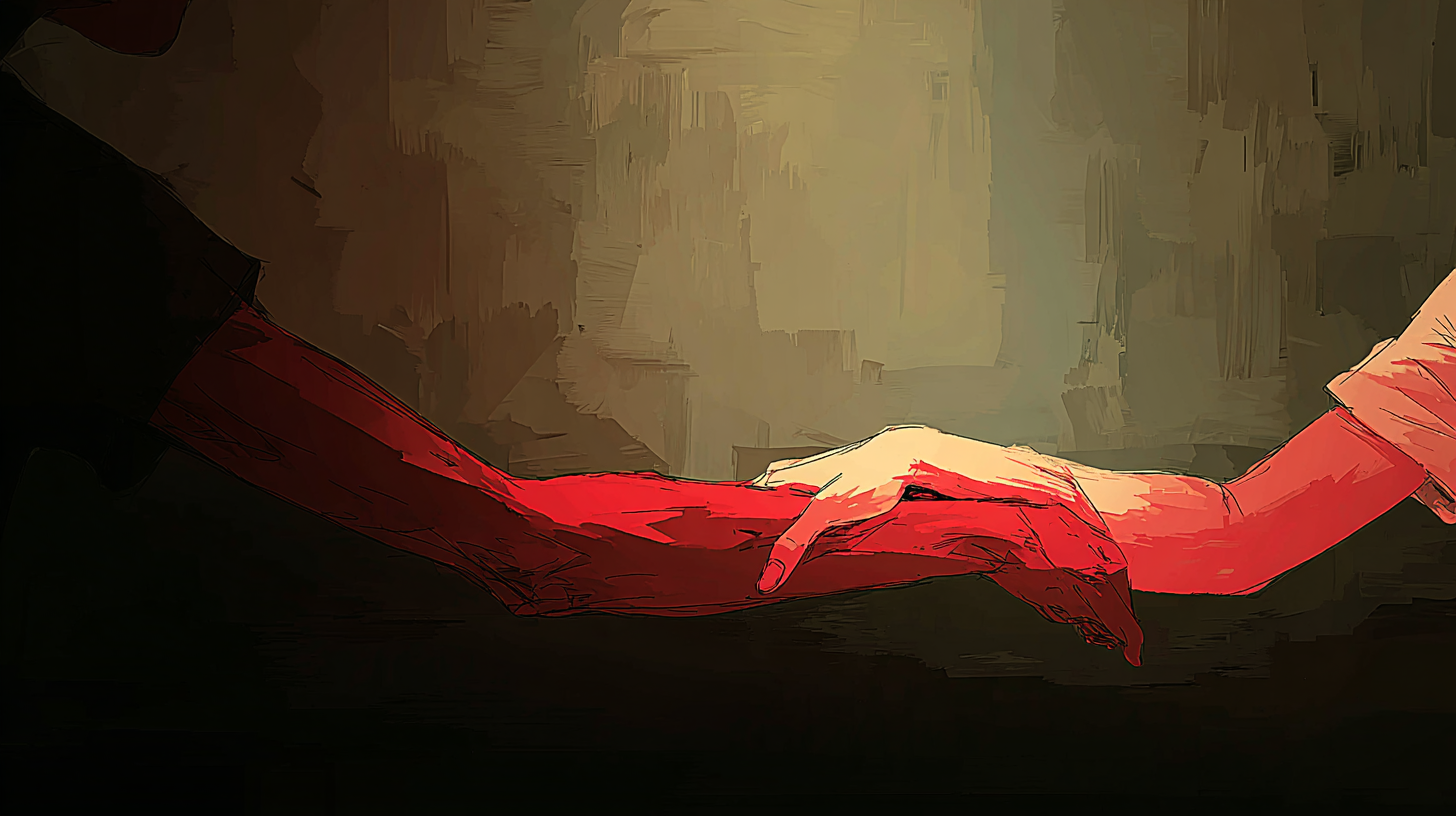
Elbow means the joint in your arm, and it can also mean pushing someone to make space.
elbowは腕の真ん中にある関節のひじで、混んでいる場所でひじで押して進むという意味でも使う。
以下は英単語 “elbow” に関するストーリー型学習コンテンツです。まずは大枠の意味を理解して最後の文章で確認しましょう。
「elbow」の主な意味(main meaning)
| 品詞 | 主要な意味 | 英語定義(簡潔) | 英語例文(1文) | 発音記号(IPA) |
|---|---|---|---|---|
| noun | ひじ | the joint in the middle of the arm | I hurt my elbow when I fell on the stairs. | /ˈel.boʊ/ |
| noun | ひじの形に曲がった部分(管や道など) | a part that bends like an elbow | Turn left at the elbow in the hallway. | /ˈel.boʊ/ |
| verb | ひじで押す、押しのける | to push with the elbow to make space | He elbowed his way through the crowd. | /ˈel.boʊ/ |
「elbow」の語源(etymology)
古英語のelnbogaがもとで、意味は「腕の曲がり(bend of the arm)」に近い。
核となるイメージは「ぐいっと曲がるところ」「曲がり角みたいに折れている部分」。
「elbow」の類義語(synonyms)
| 類義語 | 基本的な意味 | 指定単語とのニュアンスの違い | 英語例文 |
|---|---|---|---|
| joint | 関節 | elbowは特にひじだが、jointは体中の関節全体を言える | My knee joint hurts after running. |
| arm | 腕 | elbowは腕の一部分、armは肩から手まで全体 | She carried the box in her arm. |
| bend | 曲がり | elbowは体の部位だが、bendは物や道が曲がること | There is a bend in the road ahead. |
| shove | 強く押す | elbowはひじで押す感じ、shoveは手や体で強く押す | Someone shoved me on the train. |
| push past | 押して通り抜ける | elbowedは少し乱暴で体を使う印象、push pastはより一般的 | He pushed past the line to reach the door. |
「elbow」の反義語(antonyms)
| 反義語 | 基本的な意味 | 英語例文 |
|---|---|---|
| pull | 引く | Please pull the door to open it. |
| make room | 場所を空ける | They made room for the elderly passenger. |
「elbow」のコロケーション(collocations)
| コロケーション | 意味 | 英語例文 |
|---|---|---|
| elbow pain | ひじの痛み | I went to the doctor because of elbow pain. |
| elbow injury | ひじのけが | His elbow injury kept him off the team. |
| elbow room | 身動きできるスペース | This seat is too tight; I need more elbow room. |
| at one’s elbow | すぐそばに | My assistant stayed at my elbow during the meeting. |
| elbow someone aside | ひじで押しのける | He elbowed someone aside to get to the counter. |
「elbow」の2項表現(binomials)
| 2項表現 | 意味 | 英語例文 |
|---|---|---|
| back and forth | 行ったり来たり | The documents went back and forth between departments. |
| give and take | 譲り合い | Good teamwork needs give and take. |
| safe and sound | 無事で | We arrived safe and sound after the storm. |
英語ストーリー(english story)
Mika arrived at the office a little earlier than usual because she wanted some quiet time before the weekly meeting. She carried a laptop and a stack of printed reports in one arm, and her coffee in the other hand. As she walked down the hallway, she noticed a sharp bend near the storage room. Someone had placed a tall box right at the corner, making the passage narrow.
When Mika turned the corner, she didn’t see the box in time. She bumped into it and hit her elbow on the hard edge. A quick pain shot through her arm.
“Ouch,” she whispered, trying not to spill her coffee.
Ken from the sales team heard her and rushed over. “Are you okay? That looked painful.”
“I think it’s fine,” Mika said, rubbing her elbow. “But that box shouldn’t be here. It’s right at the elbow of the hallway.”
Ken frowned. “Yeah, this place needs more elbow room. People keep leaving things everywhere.”
They moved the box to a safer spot, and Mika tested her arm gently. The pain was still there, but she could move the joint without a problem. Ken offered to get an ice pack, but Mika shook her head.
“I’ll be okay. Let’s just make sure nobody else gets an elbow injury,” she said.
A few minutes later, the weekly meeting began. The conference room was crowded because two departments had joined. Mika sat near the door, with her notebook at her elbow so she could write quickly. The manager started the presentation, and the discussion soon became active. Different opinions went back and forth, and Mika could feel the tension rising.
Then, Taro, a new employee, tried to enter the room late. The space near the door was tight, and he hesitated. Some people didn’t move at all. Mika saw his confused face.
“Come in,” she said, shifting her chair. “I’ll make room.”
But one employee, clearly impatient, shoved his chair back and pushed past others to reach the snack table. In doing so, he elbowed his way through the narrow space, brushing against Taro’s shoulder.
Taro looked shocked. Mika felt annoyed, but she took a breath. She remembered that teamwork required give and take, especially in a busy workplace.
Mika leaned toward the impatient employee and spoke calmly. “Could you please be careful? There isn’t much space.”
The employee paused, then looked around as if he finally noticed how crowded it was. “Sorry,” he muttered. He stepped back and made room for Taro.
Taro entered safely and sat down, safe and sound, near the corner. After the meeting, he came to Mika.
“Thank you,” he said. “I didn’t know where to stand, and I felt like I was in the way.”
Mika smiled. “It happens. This office can get crowded. Next time, just say ‘Excuse me,’ and someone will help. We don’t need to elbow people aside to work well.”
Ken joined them and pointed at Mika’s arm. “How’s your elbow now?”
“It still hurts a bit,” Mika admitted, “but it’s better. And today reminded me of something. A workplace isn’t only about results. It’s also about small actions—making room, being careful, and treating people with respect.”
Ken nodded. “True. If we do that, everything runs more smoothly.”
As they walked back to their desks, Mika noticed that the hallway corner was clear. Someone had removed the remaining boxes. She felt relieved. With less clutter, people could move without bumping into each other, and nobody needed to shove or elbow their way through the day.
和訳
ミカは週1回の会議の前に静かな時間がほしくて、いつもより少し早くオフィスに着いた。片方の腕(arm:腕)にノートパソコンと印刷した報告書の束を抱え、もう片方の手にコーヒーを持っていた。廊下を歩いていると、倉庫の近くに鋭い曲がり角(bend:曲がり)があることに気づいた。誰かがその角に背の高い箱を置いていて、通路が狭くなっていた。
ミカが角を曲がるとき、箱に間に合わず気づけなかった。彼女は箱にぶつかり、硬い縁にひじ(elbow:ひじ)を打った。痛みが腕に走った。
「痛っ」と彼女はささやき、コーヒーをこぼさないようにした。
営業チームのケンが気づいて駆け寄った。「大丈夫?痛そうだったけど。」
「たぶん大丈夫」とミカは言いながらひじをさすった。「でも、この箱はここに置くべきじゃない。廊下のひじみたいな場所(elbow:曲がり角のような部分)にあるよ。」
ケンは顔をしかめた。「ほんとだね。ここはもっと身動きできるスペース(elbow room:ゆとり)が必要だよ。みんな何でも置きっぱなしにする。」
2人は箱を安全な場所に移し、ミカは腕をそっと動かしてみた。痛みは残っていたが、関節(joint:関節)は問題なく動いた。ケンは氷を取りに行こうとしたが、ミカは首を振った。
「大丈夫。ほかの人がひじのけが(elbow injury:ひじのけが)をしないようにしよう」と彼女は言った。
数分後、週1回の会議が始まった。2つの部署が参加して会議室は混んでいた。ミカはドアの近くに座り、すぐそば(at my elbow:すぐそば)にノートを置いて素早く書けるようにした。マネージャーが発表を始め、議論は活発になった。意見が行ったり来たり(back and forth:行ったり来たり)し、ミカは緊張が高まるのを感じた。
そこへ新人のタロウが遅れて入ろうとした。ドア付近は狭く、彼はためらった。誰も動かない人もいた。ミカは彼の困った顔を見た。
「入って」と彼女は椅子をずらして言った。「場所を空ける(make room:場所を空ける)よ。」
しかし、明らかにいら立っている社員が、椅子を乱暴に押し戻し、強く押して(shove:強く押す)通り、さらに人を押して通り抜けて(push past:押して通り抜ける)お菓子のテーブルへ向かった。そのとき、彼は狭い場所をひじで押しながら進み(elbowed his way:ひじで押して進む)、タロウの肩に当たった。
タロウは驚いた顔をした。ミカはいらっとしたが、息を整えた。忙しい職場では譲り合い(give and take:譲り合い)が必要だと思い出した。
ミカはその社員に身を寄せ、落ち着いて言った。「気をつけてもらえますか。ここはあまりスペースがないので。」
その社員は一瞬止まり、混雑に気づいたように周りを見た。「ごめん」と彼は小さく言った。そして一歩下がってタロウのために場所を空けた。
タロウは無事に(safe and sound:無事で)中に入り、角の近くに座った。会議のあと、彼はミカに話しかけた。
「ありがとうございます」と彼は言った。「どこに立てばいいかわからなくて、邪魔してる気がしました。」
ミカは笑った。「よくあるよ。このオフィスは混むから。次は『すみません』って言えば、誰かが助けてくれる。仕事をうまくするのに、人をひじで押しのける(elbow people aside:ひじで押しのける)必要はないよ。」
ケンも来てミカの腕を指した。「ひじはどう?」
「少し痛いけど、よくなってきた」とミカは認めた。「それに今日は思い出した。職場は結果だけじゃない。少しの行動、場所を空けること、気をつけること、相手を尊重することも大事。」
ケンはうなずいた。「その通り。そうすれば全部もっとスムーズに進む。」
2人が席に戻るとき、ミカは廊下の角が片付いているのに気づいた。誰かが残りの箱も移したのだ。彼女はほっとした。散らかりが減れば、人はぶつからずに動けて、強く押したり(shove:強く押す)ひじで押したり(elbow:ひじで押す)しなくて済む。
「elbow」のQ&A
- Qelbowのいちばん大事な意味は何ですか
- A
elbowは主に腕の真ん中の関節であるひじを意味します
- Qelbowとjointはどう使い分けますか
- A
elbowはひじのことですがjointはひざや指など体の関節全体に使えます
- Qelbowed his wayはどんな場面で使いますか
- A
人が多くて狭い場所で、体を使って押しながら進むときに使います
- Qelbow roomはどういう意味ですか
- A
身動きできるゆとりのことで、席や場所が狭いときによく使います
- Qelbow painはどんなときに使いますか
- A
ひじが痛い状態を言うときに使い、原因は運動やぶつけたことなどです
- Qelbow injuryはどんな意味ですか
- A
ひじのけがのことで、スポーツや転んだときなどのけがに使います
- Qelbow someone asideは失礼ですか
- A
相手をひじで押しのけるので強引な印象があり、状況によっては失礼です
- Qbendとelbowはどう違いますか
- A
shoveとelbowはどう違いますか
- Qshoveとelbowはどう違いますか
- A
shoveは手や体で強く押すことで、elbowはひじで押す感じが中心です
- Qpush pastとelbowはどう違いますか
- A
push pastは一般的に押して通り抜けることで、elbowは少し乱暴に押しのける感じです


コメント