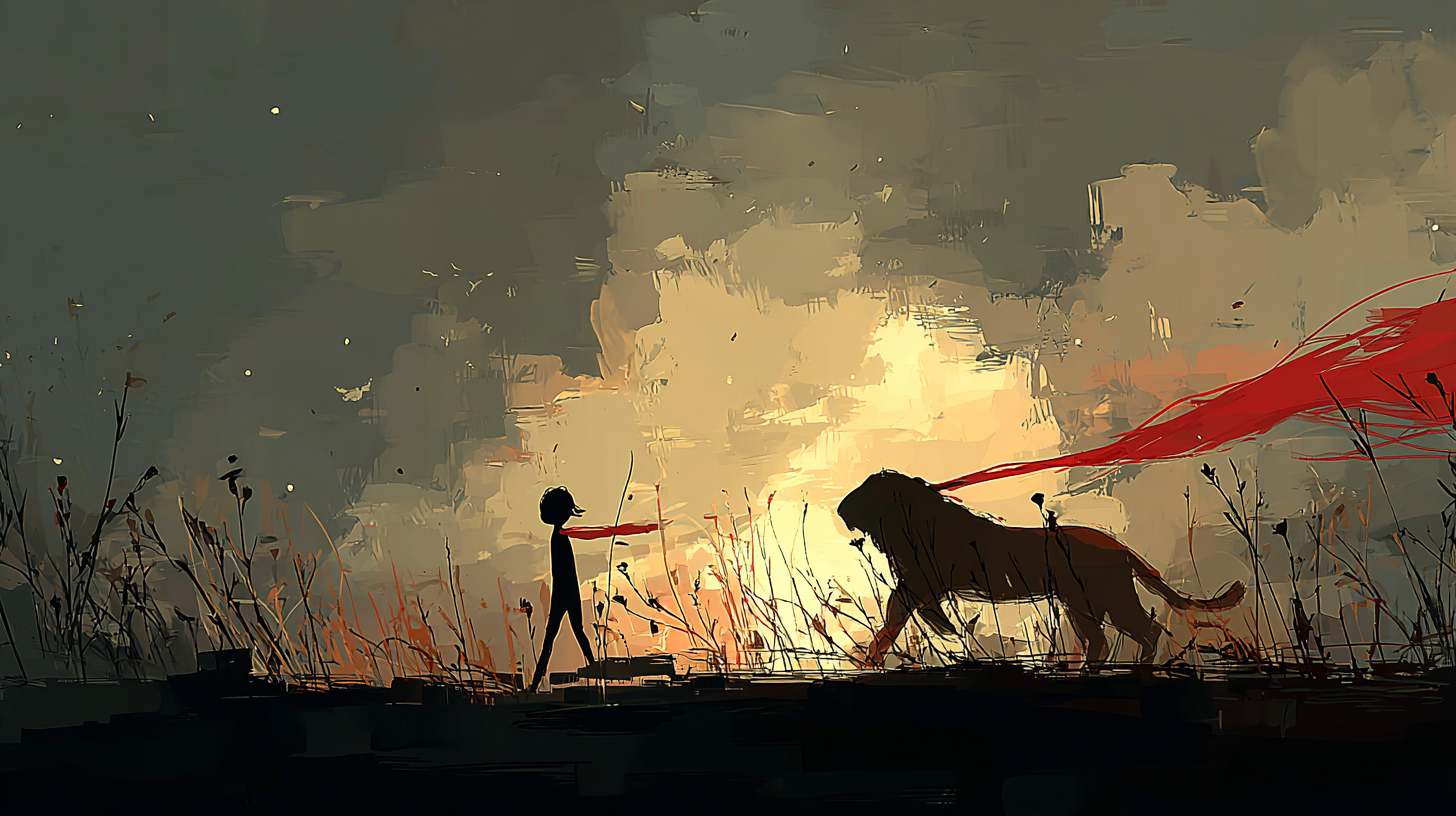
A coward is a person who is not brave and runs away from fear.
coward は「こわくて逃げてしまう人、勇気がない人」という意味。
以下は英単語 “coward” に関するストーリー型学習コンテンツです。まずは大枠の意味を理解して最後の文章で確認しましょう。
「coward」の主な意味(main meaning)
| 品詞 | 主要な意味 | 英語定義(簡潔) | 英語例文(1文) | 発音記号(IPA) |
|---|---|---|---|---|
| noun | 臆病者 | a person who is not brave and avoids danger | He felt like a coward when he stayed silent. | /ˈkaʊ.əd/ |
| adjective | 臆病な(古め、文語的) | showing fear and avoiding risk | He made a coward retreat from the meeting. | /ˈkaʊ.əd/ |
「coward」の語源(etymology)
フランス語由来で、もともと「しっぽ」を表す語に関係するとされ、そこから「しっぽを巻いて逃げる」という連想につながる。
核となるイメージは「こわくて後ろに下がり、危ないことから逃げる人」。
「coward」の類義語(synonyms)
| 類義語 | 基本的な意味 | 指定単語とのニュアンスの違い | 英語例文 |
|---|---|---|---|
| wimp | 弱虫 | coward よりも「弱くて気が弱い人」という感じで、危険だけでなく小さなことでも引く印象 | Stop being a wimp and speak up in the meeting. |
| chicken | 臆病者(口語) | からかいの言い方で、軽いノリで「ビビってる」と言うときに使う | Don’t be a chicken about calling the client. |
| weakling | ひ弱な人 | 体力や気力が弱いイメージが強く、性格だけでなく能力面も弱そうに聞こえる | He was treated like a weakling by the tougher staff. |
| timid person | おくびょうな人 | coward ほど強い非難ではなく、「控えめで怖がり」くらいのやわらかい言い方 | She is a timid person, but she is very kind. |
「coward」の反義語(antonyms)
| 反義語 | 基本的な意味 | 英語例文 |
|---|---|---|
| brave person | 勇敢な人 | A brave person admits a mistake and fixes it. |
| hero | 英雄、頼れる人 | Everyone called her a hero after she solved the problem. |
「coward」のコロケーション(collocations)
| コロケーション | 日本語の意味 | 英語例文 |
|---|---|---|
| call someone a coward | 人を臆病者呼ばわりする | It’s unfair to call him a coward without knowing the facts. |
| a coward at heart | 心の底では臆病者 | He looks confident, but he is a coward at heart. |
| act like a coward | 臆病者のように振る舞う | Don’t act like a coward when the team needs you. |
| feel like a coward | 自分が臆病者のように感じる | I felt like a coward for avoiding the conversation. |
| not be a coward | 臆病者にならない | I decided to not be a coward and tell the truth. |
「coward」の2項表現(binomials)
| 2項表現 | 日本語の意味 | 英語例文 |
|---|---|---|
| pros and cons | 良い点と悪い点 | Let’s list the pros and cons before we decide. |
| sooner or later | 遅かれ早かれ | Sooner or later, we have to face the client. |
| now and then | ときどき | I get nervous now and then, but I keep going. |
英語ストーリー(english story)
On Monday morning, the office felt unusually quiet. Our team was going to present a new plan to a big client, and everyone knew the client could be strict. I had prepared the slides carefully, but my hands were still cold as I opened my laptop.
Mr. Takeda, our manager, walked in and said, “Before we start, let’s talk about the pros and cons of the new schedule.” He always spoke calmly, even when things were stressful. We began discussing the details, and I noticed that Ken, the newest member of our team, stayed silent. Ken was smart, but he avoided speaking in front of others.
When the meeting started, the client asked a sharp question about cost. Our plan looked good overall, but there was one weak point. I knew the answer, yet I hesitated. My mind filled with fear and doubt, and I looked down at my notes. In that moment, I felt like a coward.
Mr. Takeda noticed my hesitation. He did not get angry. Instead, he said, “Take your time. We can explain it clearly.” His voice gave me a little courage, but my heart was still racing.
After the meeting, Ken came to my desk. “Are you okay?” he asked.
“I should have answered faster,” I said. “I acted like a coward.”
Ken looked surprised. “No, you didn’t. You just got nervous.”
“Maybe,” I said, “but I hate that feeling. I don’t want to be a coward at heart.”
Ken sat down and lowered his voice. “To be honest, I’m worse than you. I’m a timid person. I always think I will say something wrong.”
I wanted to comfort him, but I also understood him. “I get it,” I said. “Now and then I feel that way too. But sooner or later, we have to speak up.”
That afternoon, Mr. Takeda called me and Ken into a small meeting room. “I heard the client’s feedback,” he said. “They like our idea, but they want a clearer risk plan. We will send an updated version tomorrow.”
Ken’s face turned pale. He whispered, “Tomorrow?”
Mr. Takeda nodded. “Yes. And Ken, I want you to explain the risk plan. You understand it well.”
Ken’s eyes widened. “Me? I can’t. I’ll look like a weakling in front of them.”
Mr. Takeda leaned forward. “Don’t label yourself like that. Also, don’t let anyone call you a coward, including yourself.”
Ken forced a small laugh. “If I try, I’ll be a chicken.”
Mr. Takeda smiled slightly. “Trying is not cowardice. Avoiding responsibility is. If you prepare well, you can do it.”
When Ken left the room, he looked shaken. I followed him to the break area. “Ken,” I said, “let’s practice together. We can do it after work.”
He hesitated. “What if I freeze?”
“Then I’ll support you,” I said. “And if I freeze, you support me. That’s what a team does.”
We stayed late, repeating the explanations again and again. Ken made mistakes at first, but he kept improving. I realized he was not a coward at all. He was simply afraid, and he was learning to move forward anyway.
The next day, the client call began. Ken’s voice was quiet at first, but he continued. He explained the risks, the solutions, and the backup plan. When the client asked a difficult question, Ken paused, took a breath, and answered. I watched him and felt something change inside me. He was being a brave person, not because he had no fear, but because he faced it.
After the call, the client said, “Thank you. That was clear.” Mr. Takeda looked at Ken and said, “Well done.”
Back at our desks, I said, “You were the hero today.”
Ken smiled, still nervous, but proud. “Thanks,” he said. “Maybe I’m not a wimp after all.”
和訳
月曜日の朝、職場はいつもより静かだった。私たちのチームは大きな取引先に新しい計画を提案する予定で、相手が厳しいことを全員が知っていた。私は資料を丁寧に準備していたのに、ノートパソコンを開く手が冷たかった。
マネージャーの武田さんが入ってきて言った。「始める前に、新しいスケジュールの良い点と悪い点(pros and cons:良い点と悪い点)を話そう。」彼はいつも落ち着いていた。私たちは細部を話し合い始め、私は新人のケンが黙ったままだと気づいた。ケンは頭がいいが、人前で話すのを避けがちだった。
会議が始まると、取引先は費用について鋭い質問をした。計画は全体的には良いが、弱い部分が一つあった。私は答えを知っていたのに、ためらってしまった。頭の中が不安と迷いでいっぱいになり、私はメモに目を落とした。その瞬間、私は自分が臆病者のように感じた(feel like a coward:臆病者のように感じる)。
武田さんは私の迷いに気づいた。怒るのではなく、「落ち着いて。はっきり説明すればいい」と言った。その声で少し勇気が出たが、心臓はまだ速く打っていた。
会議のあと、ケンが私の机に来た。「大丈夫ですか」と彼は聞いた。
「もっと早く答えるべきだった」と私は言った。「臆病者みたいに振る舞ってしまった(act like a coward:臆病者のように振る舞う)。」
ケンは驚いた顔をした。「いいえ、違います。ただ緊張しただけですよ。」
「そうかもしれない」と私は言った。「でもあの感じが嫌なんだ。心の底では臆病者になりたくない(a coward at heart:心の底では臆病者)。」
ケンは座って小声になった。「実は、僕のほうがもっとひどいです。僕はおくびょうな人です(timid person:おくびょうな人)。いつも変なことを言うんじゃないかって考えてしまう。」
私は彼を安心させたかったし、同時に気持ちも分かった。「分かるよ」と私は言った。「ときどき(now and then:ときどき)僕もそう感じる。でも遅かれ早かれ(sooner or later:遅かれ早かれ)、話さなきゃいけない。」
その日の午後、武田さんが私とケンを小さな会議室に呼んだ。「取引先の反応を聞いたよ。アイデアは気に入ったが、リスク計画をもっと明確にしてほしい。明日、更新版を送る。」
ケンの顔色が悪くなった。「明日ですか」と彼はささやいた。
武田さんはうなずいた。「そうだ。そしてケン、リスク計画を説明してほしい。君はよく理解している。」
ケンは目を見開いた。「僕がですか。無理です。相手の前でひ弱な人に見えます(weakling:ひ弱な人)。」
武田さんは身を乗り出した。「自分にそんなレッテルを貼るな。それに、君を臆病者呼ばわりすることを(call someone a coward:人を臆病者呼ばわりする)、自分自身にすら許すな。」
ケンは無理に笑った。「やったら、ビビりって言われます(chicken:臆病者、口語)。」
武田さんは少し笑った。「挑戦することは卑怯じゃない。責任から逃げることが卑怯なんだ。準備すればできる。」
ケンが部屋を出るとき、動揺しているようだった。私は休憩スペースまでついて行った。「ケン、一緒に練習しよう。仕事のあとでもできる。」
彼はためらった。「固まったらどうしますか。」
「そのときは僕が支える」と私は言った。「僕が固まったら君が支えて。チームってそういうものだ。」
私たちは遅くまで残って、説明を何度も繰り返した。最初は間違いもあったが、ケンは少しずつ良くなった。私は気づいた。彼は臆病者ではない。怖いだけで、それでも前に進もうとしているのだ。
翌日、取引先との通話が始まった。最初、ケンの声は小さかったが、続けた。リスク、解決策、予備案を説明した。難しい質問が来たとき、ケンは一度止まり、息をして答えた。私はそれを見て、心の中で何かが変わるのを感じた。彼は勇敢な人だった(brave person:勇敢な人)。恐れがないからではなく、恐れに向き合ったからだ。
通話のあと、取引先は言った。「ありがとう。分かりやすかった。」武田さんはケンを見て言った。「よくやった。」
自分の席に戻って、私は言った。「今日は君が頼れる人だった(hero:英雄、頼れる人)。」
ケンはまだ緊張していたが、誇らしそうに笑った。「ありがとうございます。もう弱虫じゃないかもしれません(wimp:弱虫)。」
「coward」のQ&A
- Qcoward はどんな意味ですか
- A
coward は危ないことやこわいことから逃げてしまう臆病者のことです
- Qcoward と wimp はどう違いますか
- A
wimp は coward よりも気が弱くて情けない感じが強い言い方です
- Qcoward と chicken はどう違いますか
- A
chicken は口語でからかう感じがあり軽くビビっていると言うときに使います
- Qcoward と timid person はどう違いますか
- A
timid person は強い悪口ではなく控えめで怖がりというやわらかい言い方です
- Qcoward の反対の言葉は何ですか
- A
brave person や hero が反対の意味としてよく使われます
- Qcall someone a coward はどういう意味ですか
- A
call someone a coward は人のことを臆病者だと言って非難することです
- Qa coward at heart はどういう意味ですか
- A
a coward at heart は見た目は平気そうでも心の中では怖がっているという意味です
- Qfeel like a coward はどういうときに使いますか
- A
feel like a coward は自分が卑怯だったと感じたときに使います
- Qpros and cons はどんな場面で使いますか
- A
pros and cons は決める前に良い点と悪い点を整理するときに使います
- Qsooner or later はどういう意味ですか
- A
sooner or later は遅かれ早かれいつかは起きるという意味です


コメント