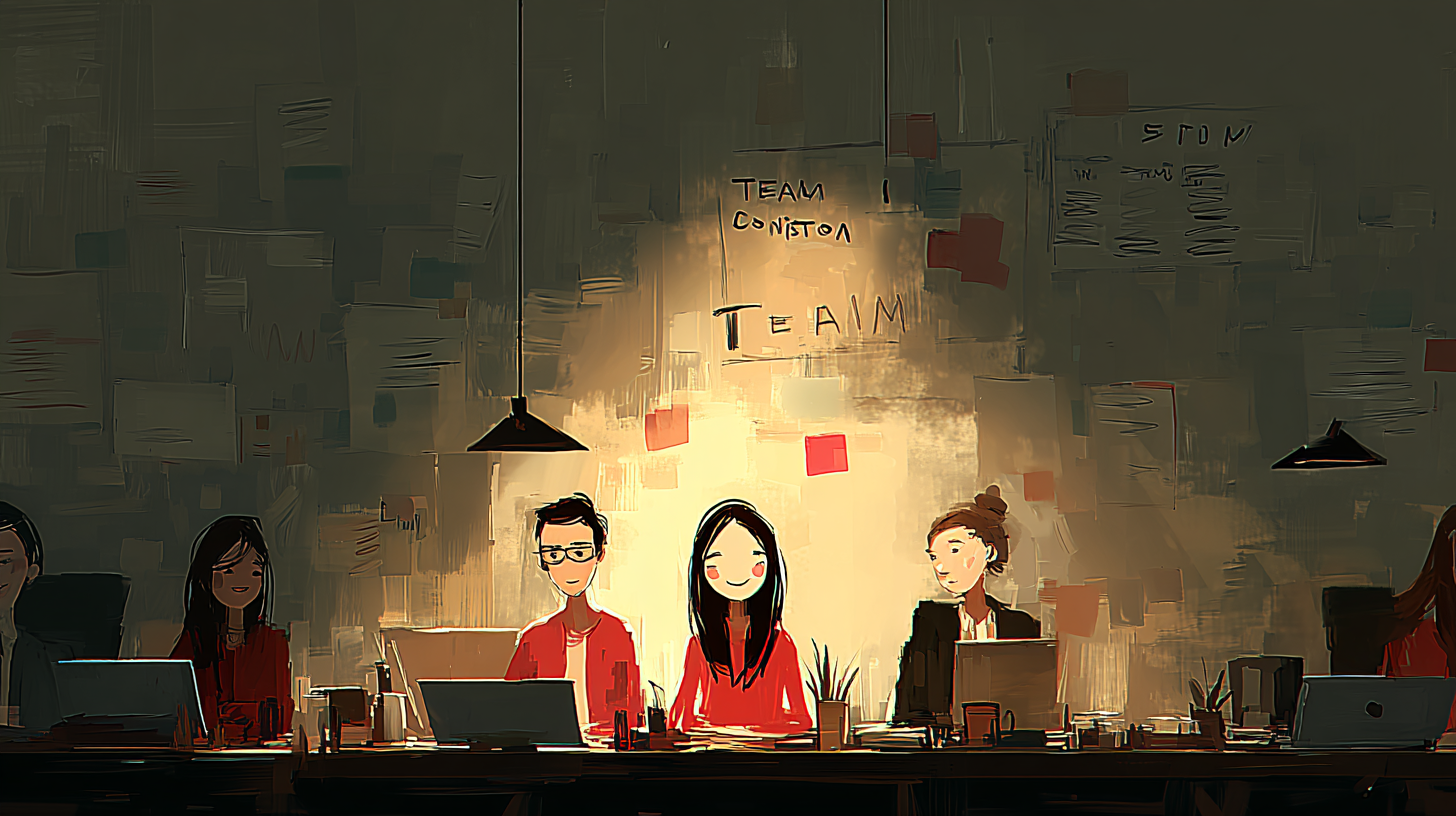
Constitution means the basic rules of a country or group, or someone’s health.
constitutionは国や組織の基本ルール または人の体質や健康のことです。
以下は英単語 “constitution” に関するストーリー型学習コンテンツです。まずは大枠の意味を理解して最後の文章で確認しましょう。
「constitution」の主な意味(main meaning)
| 品詞 | 主な意味 | 英語定義(簡潔) | 英語例文(1文) | 発音記号(IPA) |
|---|---|---|---|---|
| noun | 憲法 | the basic laws and principles that govern a country or organization | The new policy must follow the company’s constitution. | /ˌkɑːn.stəˈtuː.ʃən/ |
| noun | 体質 健康状態 | a person’s physical health and strength | Running every morning improved her constitution. | /ˌkɑːn.stəˈtuː.ʃən/ |
| noun | 構成 成り立ち | the way something is formed or structured | We studied the constitution of the new team to find skill gaps. | /ˌkɑːn.stəˈtuː.ʃən/ |
「constitution」の語源(etymology)
ラテン語のconstitutio(設ける 決める)から来ています。
核となるイメージは「土台としてしっかり決めて組み立てるルールや体のつくり」です。
「constitution」の類義語(synonyms)
| 類義語 | 基本的な意味 | 指定単語とのニュアンスの違い | 英語例文 |
|---|---|---|---|
| charter | 組織の設立文書 規約 | charterは会社や団体が作られたときの公式な約束文書に寄りやすい | The university’s charter explains its mission and governance. |
| fundamental law | 基本法 | fundamental lawは国の最上位ルールだと強く言いたいときに使うことが多い | Free speech is protected by the fundamental law. |
| framework | 枠組み | frameworkは細かい条文よりも全体の仕組みや考え方の骨組みを指しやすい | We built a framework for decision-making across teams. |
| makeup | 構成 成り立ち | makeupは人や物の中身の組み合わせを言うときに便利で法律感は弱い | The makeup of the committee changed after the reorganization. |
| health | 健康 | healthは日常的に使う一般的な健康で constitutionより広くてカジュアル | Sleep is important for your health. |
「constitution」の反義語(antonyms)
| 反義語 | 基本的な意味 | 英語例文 |
|---|---|---|
| anarchy | 無秩序 ルールがない状態 | Without clear rules, the team fell into anarchy. |
| weakness | 弱さ 虚弱 | The long hours led to physical weakness. |
「constitution」のコロケーション(collocations)
| コロケーション | 意味 | 英語例文 |
|---|---|---|
| constitutional rights | 憲法上の権利 | Citizens should understand their constitutional rights. |
| constitutional amendment | 憲法改正 | The proposal became a constitutional amendment after the vote. |
| constitutional crisis | 憲法上の危機 統治の混乱 | The dispute triggered a constitutional crisis. |
| physical constitution | 体質 丈夫さ | He has a strong physical constitution. |
| draft a constitution | 憲法を起草する | The committee was formed to draft a constitution. |
「constitution」の2項表現(binomials)
| 2項表現 | 意味のイメージ | 英語例文 |
|---|---|---|
| checks and balances | 権力の抑制と均衡 | Good governance needs checks and balances. |
| rights and responsibilities | 権利と責任 | The handbook explains our rights and responsibilities. |
| order and justice | 秩序と正義 | Leaders must protect order and justice. |
英語ストーリー(english story)
On Monday morning, Aya walked into the open office with a notebook in her hand. The company had grown quickly, and people from different departments were now working side by side. Last week, small problems had appeared: unclear approvals, arguments over budgets, and meetings that ended with no decisions. Aya’s manager, Mr. Sato, said they needed something stronger than a few emails.
At 9 a.m., the conference room was full. Mr. Sato wrote one word on the whiteboard: constitution.
“This is not a country,” he said, “but every group needs basic rules. We need a clear framework for how we decide things and how we treat each other.”
Mika from HR raised her hand. “Do you mean a charter, like an official document?”
“Something like that,” Mr. Sato replied. “A charter is a good starting point. But I want a document that works like a fundamental law inside our company. It should protect people and also keep projects moving.”
Aya looked around. The team’s makeup had changed a lot since last year. Engineers, designers, and sales staff were now mixed in the same project teams. She could understand why old habits were not enough anymore. Without clear rules, even good people could slide into anarchy, not because they were bad, but because no one knew who had the final say.
Mr. Sato continued, “First, let’s list what matters most. Think about rights and responsibilities. What should every employee be able to expect, and what should every employee promise to do?”
They split into small groups. Aya worked with Ken from engineering and Jun from sales. Ken said, “People need time to focus. Meetings can’t be scheduled at the last minute.” Jun added, “And decisions should be written down so clients get consistent answers.”
Aya wrote: “Respect focus time,” “Record key decisions,” and “Share information early.” Then she added one more point: “No blaming without facts.” She had seen how stress could make people speak too sharply.
After the break, Mika shared a section she called “constitutional rights.” She explained that employees should feel safe to report problems, ask questions, and request support without fear. Everyone nodded. They had all heard stories from other companies where people stayed silent until a small issue became a big disaster.
Then Ken proposed a “checks and balances” rule for spending. “If one person can approve any cost, mistakes will happen,” he said. “Let’s require two approvals for large purchases. It’s not about distrust. It’s about protecting the team.”
Mr. Sato smiled. “Exactly. This prevents confusion and keeps us fair.”
But not everything was easy. Jun worried that too many approvals would slow down sales. The room became tense. Aya noticed Ken rubbing his eyes. The long hours had been affecting his health, and he looked close to physical weakness.
Aya spoke up carefully. “We can set different levels. Small costs can be approved quickly, but big ones need more review. That way we keep speed and safety.”
Mika added, “And we can review it later, like a constitutional amendment. If something doesn’t work, we improve it instead of fighting about it.”
The tension eased. Mr. Sato nodded and wrote “review process” on the board.
At the end of the meeting, they discussed what happens when rules are unclear. Mika said, “In countries, people talk about a constitutional crisis when leaders disagree on basic rules. In companies, it can look like teams refusing to cooperate. We don’t want that.”
Aya felt relieved. The document would not solve everything, but it would give them a shared starting point. Before leaving, Mr. Sato assigned tasks. Aya would draft a constitution outline and collect feedback from each department.
Back at her desk, Aya opened a blank file and titled it “Team Constitution.” She didn’t want it to be cold or strict. She wanted it to support order and justice, and to remind everyone that a good workplace is built, not assumed.
That evening, she sent a message to the team: “Please share ideas by Wednesday. We’re building a framework we can trust.” As she hit send, she thought about the word constitution again. It was not only about laws. It was also about how people are made, how teams are formed, and what kind of daily habits keep them strong.
和訳
月曜日の朝、彩はノートを手にオープンオフィスへ入った。会社は急成長し、今では違う部署の人たちが隣り合って働いていた。先週から小さな問題が出てきた。承認の基準があいまいで、予算のことで言い合いになり、会議が結論なしで終わることもあった。彩の上司の佐藤さんは、数通のメールより強いものが必要だと言った。
9時、会議室は満員だった。佐藤さんはホワイトボードにconstitutionと書いた。
「国ではないけれど、どんな集団にも基本ルールが必要です。物事を決める方法と、互いをどう扱うかの枠組み(framework:枠組み)が必要です。」
人事の美香が手を挙げた。
「設立文書(charter:規約)みたいな公式文書のことですか。」
「近いですね」と佐藤さんは答えた。「設立文書(charter:規約)は出発点として良い。でも社内で基本法(fundamental law:基本法)のように働く文書がほしい。人を守りつつ、仕事を前に進めるものです。」
彩は周りを見た。チームの構成(makeup:構成)は去年から大きく変わっていた。エンジニア、デザイナー、営業が同じプロジェクトチームに混ざっている。古いやり方だけでは足りなくなっているのも分かった。はっきりしたルールがなければ、悪意がなくても無秩序(anarchy:無秩序)に近づいてしまう。誰が最終判断をするかが分からないからだ。
佐藤さんは続けた。
「まず大事なことを並べましょう。権利と責任(rights and responsibilities:権利と責任)を考えてください。社員が当然期待できることは何で、社員が約束すべきことは何でしょう。」
彼らは小グループに分かれた。彩はエンジニアの健と営業の純と組んだ。健は「集中する時間が必要だ。直前に会議を入れないでほしい」と言った。純は「決定事項は書いて残して、顧客への回答を一貫させたい」と付け加えた。
彩は「集中時間を尊重する」「重要な決定を記録する」「早めに情報共有する」と書いた。さらに一つ、「事実なしに責めない」も加えた。ストレスで言い方がきつくなる場面を見てきたからだ。
休憩後、美香は「憲法上の権利(constitutional rights:憲法上の権利)」という項目を出した。社員は、問題を報告したり質問したり支援を求めたりしても不利益を受けないと感じるべきだ、と説明した。全員がうなずいた。他社で小さな問題を放置して大事故になった話を聞いたことがあったからだ。
次に健が、支出の「抑制と均衡(checks and balances:抑制と均衡)」のルールを提案した。
「一人で何でも承認できたらミスが起きます。大きな支出は二人の承認にしましょう。不信ではなく、チームを守るためです。」
佐藤さんは笑った。「その通り。混乱を防ぎ、公平にできます。」
ただ、簡単には決まらなかった。純は承認が増えると営業が遅くなると心配した。部屋が少し緊張した。彩は健が目をこすっているのに気づいた。長時間労働で健康(health:健康)にも影響が出ていて、体の弱さ(weakness:弱さ)に近い様子だった。
彩は丁寧に言った。
「段階を分けましょう。小さい金額は早く承認して、大きいものはしっかり確認する。そうすれば速さと安全を両立できます。」
美香も言った。「あとで見直せます。憲法改正(constitutional amendment:憲法改正)みたいに、合わないところは改善して、けんかにしないようにしましょう。」
緊張が和らいだ。佐藤さんはうなずき、「見直し手順」と書いた。
最後に、ルールがあいまいなとき何が起きるかを話した。美香は「国では、指導者が基本ルールで対立すると憲法上の危機(constitutional crisis:憲法上の危機)と言います。会社だと、チーム同士が協力しなくなる形で表れます。そうはなりたくない」と言った。
彩はほっとした。この文書だけで全部は解決しないが、共通の出発点になる。会議の後、佐藤さんは役割を割り振った。彩は憲法を起草する(draft a constitution:憲法を起草する)ための骨子を作り、各部署から意見を集めることになった。
席に戻った彩は、空のファイルを開き、タイトルを「Team Constitution」とした。冷たく厳しいものにはしたくなかった。秩序と正義(order and justice:秩序と正義)を支え、良い職場は当然あるものではなく作るものだと皆に思い出させたかった。
その夜、彩はチームにメッセージを送った。
「水曜日までに案をください。信頼できる枠組み(framework:枠組み)を一緒に作りましょう。」
送信しながら、彩はconstitutionという言葉をもう一度考えた。それは法律だけではない。人の成り立ちや、チームの形、そして日々の習慣が強さを保つことにもつながっているのだ。
「constitution」のQ&A
- Qconstitutionはどんな意味ですか
- A
constitutionは国や組織の基本ルール、または体質や健康状態、または成り立ちを表す名詞です。
- Qconstitutionとcharterはどう違いますか
- A
charterは設立時の公式な規約に寄りやすく、constitutionはもっと土台になる基本ルール全体を指しやすいです。
- Qconstitutionとfundamental lawはどう使い分けますか
- A
fundamental lawは最上位の基本法だと強調したいときに使いやすく、constitutionは文書全体や仕組みも含めて言えます。
- Qconstitutionとframeworkの違いは何ですか
- A
frameworkは骨組みや仕組みを指し、constitutionはその中でも土台となる基本ルールとしてより強い感じです。
- Qconstitutionのmakeupの意味は何ですか
- A
makeupは中身の組み合わせという意味で、constitutionの成り立ちや構成という意味のときに近いです。
- Qconstitutionが健康の意味で使われるのはどんなときですか
- A
体の丈夫さや体質を言いたいときにconstitutionを使い、一般的な健康はhealthがよく使われます。
- Qconstitutional rightsはどんな意味でよく使いますか
- A
constitutional rightsは憲法で守られる権利という意味で、自由や平等などの話でよく使われます。
- Qconstitutional amendmentは何をすることですか
- A
constitutional amendmentは憲法の内容を正式に変えることで、ルールを改めたいときに使います。
- Qchecks and balancesはどんな場面で使いますか
- A
checks and balancesは権力や決定を一人に集中させない仕組みの話で、政治や組織運営で使います。
- Qrights and responsibilitiesは何を伝える表現ですか
- A
rights and responsibilitiesは権利だけでなく責任もあることを伝えたいときに使う表現です。


コメント