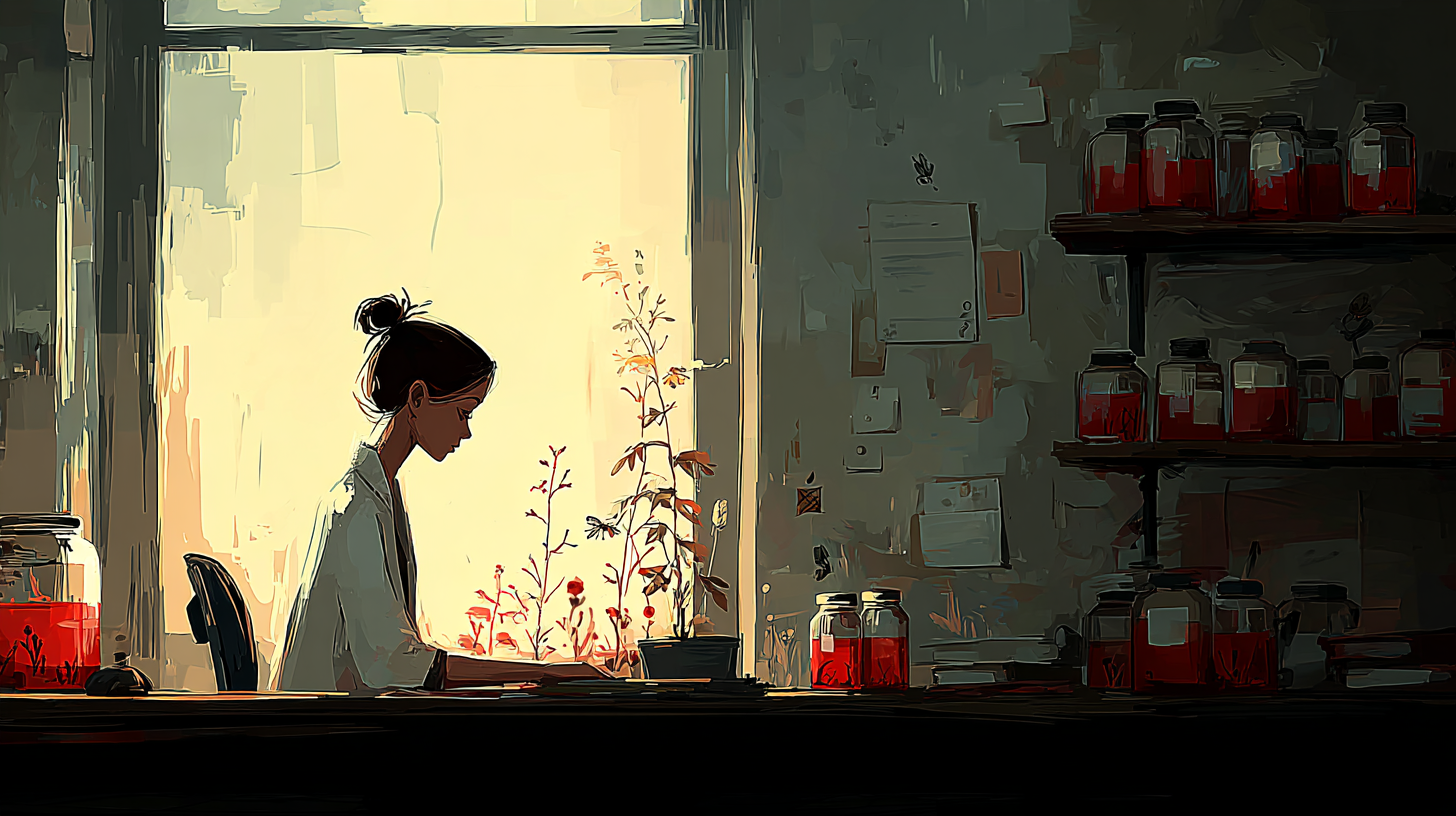
A biologist is a person who studies living things.
biologist は 生き物のことを研究する人 という意味です。
以下は英単語 “biologist” に関するストーリー型学習コンテンツです。まずは大枠の意味を理解して最後の文章で確認しましょう。
「biologist」の主な意味(main meaning)
| 品詞 | 意味 | 英語定義 | 英語例文 | 発音記号(IPA) |
|---|---|---|---|---|
| noun | 生物学者 | a scientist who studies living things | The biologist examined the cells under a microscope. | /baɪˈɑːlədʒɪst/ |
「biologist」の語源(etymology)
biologist は bio(生命)と -logist(学ぶ人)からできた言葉です。
核となるイメージは「命のしくみを観察して、理由を考える人」です。
「biologist」の類義語(synonyms)
| 類義語 | 基本的な意味 | 指定単語とのニュアンスの違い | 英語例文 |
|---|---|---|---|
| scientist | 科学者 | biologist は生き物に特化するが、scientist は分野が広い | She is a scientist who works on new materials. |
| life scientist | 生命科学者 | 生物学だけでなく、医療や分子研究など生命全体の研究も含みやすい | A life scientist analyzed DNA data for the project. |
| zoologist | 動物学者 | biologist の中でも動物に特化する | The zoologist observed the behavior of wolves. |
| botanist | 植物学者 | biologist の中でも植物に特化する | The botanist identified the wild flowers in the park. |
| ecologist | 生態学者 | 生き物同士や環境との関係に焦点を当てる | The ecologist studied how pollution affects rivers. |
「biologist」の反義語(antonyms)
| 反義語 | 意味 | 英語例文 |
|---|---|---|
| layperson | 専門家ではない人 | As a layperson, I needed a simple explanation. |
| non-scientist | 科学者ではない人 | The non-scientist on the team asked practical questions. |
「biologist」のコロケーション(collocations)
| コロケーション | 意味 | 英語例文 |
|---|---|---|
| marine biologist | 海洋生物学者 | The marine biologist collected samples from the coast. |
| field biologist | フィールドで調査する生物学者 | A field biologist must take careful notes outdoors. |
| evolutionary biologist | 進化生物学者 | The evolutionary biologist explained how traits change over time. |
| biologist at a university | 大学の生物学者 | A biologist at a university often teaches and does research. |
| biologist specializing in genetics | 遺伝学が専門の生物学者 | She is a biologist specializing in genetics and data analysis. |
「biologist」の2項表現(binomials)
| 2項表現 | 意味 | 英語例文 |
|---|---|---|
| flora and fauna | 植物と動物 | The guide talked about the local flora and fauna. |
| research and development | 研究開発 | Our company invests in research and development every year. |
| theory and practice | 理論と実践 | Good training connects theory and practice. |
英語ストーリー(english story)
Mika worked in the Research Department of a small environmental company. On her desk, there were maps, sample labels, and a notebook full of careful drawings. She was a biologist, and her job was to study living things and explain what the data meant in a way the whole team could use.
That Monday morning, the office felt unusually busy. A new project had started, and everyone had been invited to a planning meeting. Mika walked into the meeting room with her laptop and sat beside Ken, who handled budgets. Across the table sat Dr. Arai, a life scientist from a partner lab, and Ms. Sato, a client who admitted she was a layperson when it came to science.
“Our goal is simple,” said the manager. “We need a clear report about the river near the factory. The client wants to know how the local ecosystem is changing.”
Mika nodded. “As a biologist, I can focus on the organisms we find in the water and along the banks. But we should choose the right specialists too.”
Dr. Arai opened a folder. “I can support with DNA analysis. Some changes are invisible unless we look at genetics.”
Ken raised a hand. “I’m a non-scientist, so please tell me what this means for cost and time.”
Mika smiled. “That’s fair. Let’s connect theory and practice. We can use scientific methods, but we need a plan that works in the real world.”
They started assigning roles. Mika suggested inviting Rina, a field biologist who was strong at collecting samples outdoors. “She takes accurate notes, even in bad weather,” Mika said. “We’ll need that.”
Dr. Arai suggested contacting a marine biologist as well. “The river connects to the sea. If pollution flows outward, coastal life may be affected.”
Ms. Sato looked worried. “I don’t understand all the terms,” she said, “but I care about the fish. My family has lived near that river for years.”
“That’s exactly why we’re doing this,” Mika replied gently. “We’ll describe what is happening to the flora and fauna, not just numbers on a chart.”
After the meeting, Mika returned to her desk and began preparing a sampling schedule. She called Rina first.
“I can go tomorrow morning,” Rina said. “I’ll bring meters for temperature and pH, and I’ll photograph the riverbank.”
“Great,” Mika said. “Please note anything unusual. Even small changes can matter.”
Next, Mika called an evolutionary biologist she knew from university, Mr. Hayashi. He sometimes helped companies understand how populations changed over time.
“I can review your results,” Hayashi said. “If a species disappears, it may not be random. It can be a sign that certain traits no longer help survival in that environment.”
“That kind of explanation will strengthen our report,” Mika said. “Thank you.”
Later that day, Mika met Dr. Arai near the lab area. Arai was already setting up equipment for research and development, because the company also designed simple water filters based on what the team discovered.
“We should keep our message clear,” Arai said. “People hear ‘DNA’ and feel scared.”
Mika agreed. “Let’s write it so a layperson can follow it. We can say: we tested tiny clues in the water to identify organisms, even when they are hard to see.”
On Tuesday, Rina returned with samples and photos. Mika and Arai examined them together. There were fewer insects than expected, and algae covered several stones.
“This pattern looks familiar,” Mika said quietly.
Arai leaned closer. “If the algae is growing fast, it could mean extra nutrients in the water.”
Mika opened an old file. “Last year’s report showed more insects in spring. The difference is significant.”
Ken came in with coffee. “So, is it bad?”
Mika answered carefully. “It’s not good news, but it’s useful information. We can propose specific actions. The factory can change waste handling, and the town can improve drainage.”
Ms. Sato joined them later for an update. Mika chose her words slowly, like a teacher.
“We are scientists, but we want to be practical,” Mika said. “We found signs that the river is under stress. We can explain what it means for fish and plants, and we can suggest steps to protect them.”
Ms. Sato looked relieved. “Thank you. I don’t need every detail, but I need to trust the process.”
Mika nodded. “That trust is important. A biologist observes, checks evidence, and stays honest. Then we turn results into decisions that help people and nature.”
By Friday, the team’s draft report was ready. It included sample data, clear graphs, and a short section that summarized the situation in plain language. Mika read the final page and felt satisfied. The work had balanced research and development, theory and practice, and it had kept the living world at the center of the story.
和訳
ミカは小さな環境系の会社の研究部門で働いていた。机の上には地図、サンプルのラベル、そして丁寧なスケッチがびっしりのノートがあった。彼女は生物学者(biologist:生物学者)で、仕事は生き物を研究し、データの意味をチーム全体が使える形で説明することだった。
その月曜日の朝、オフィスはいつもより忙しかった。新しいプロジェクトが始まり、全員が計画会議に呼ばれていた。ミカはノートパソコンを持って会議室に入り、予算担当のケンの隣に座った。向かい側には提携研究所の生命科学者(life scientist:生命科学者)の新井博士がいて、クライアントの佐藤さんもいた。佐藤さんは科学については素人(layperson:専門家ではない人)だと自分で言っていた。
「目標はシンプルです」とマネージャーが言った。「工場の近くの川について、わかりやすい報告書が必要です。クライアントは、その地域の生態系がどう変化しているか知りたいのです。」
ミカはうなずいた。「生物学者(biologist:生物学者)として、川の水や土手で見つかる生き物に注目できます。でも、適切な専門家も選ぶべきです。」
新井博士が資料を開いた。「私はDNA解析で支援できます。遺伝に注目しないと見えない変化もあります。」
ケンが手を挙げた。「僕は科学者ではない人(non-scientist:科学者ではない人)なので、費用と時間にどう影響するか教えてください。」
ミカは笑って言った。「それは大事です。理論と実践(theory and practice:理論と実践)をつなげましょう。科学的な方法を使いつつ、現実に動く計画が必要です。」
役割分担が始まった。ミカは屋外調査が得意なフィールドで調査する生物学者(field biologist:フィールドで調査する生物学者)のリナを呼ぶことを提案した。「彼女は悪天候でも正確に記録します。必要になります。」
新井博士は海洋生物学者(marine biologist:海洋生物学者)にも連絡しようと言った。「川は海につながっています。汚れが外へ流れれば、海岸の生き物にも影響が出るかもしれません。」
佐藤さんは不安そうだった。「用語は全部わかりません。でも魚のことが心配です。私の家族は長年その川の近くで暮らしてきました。」
「だからこそ私たちはやるんです」とミカは穏やかに答えた。「数字だけでなく、植物と動物(flora and fauna:植物と動物)に何が起きているかを説明します。」
会議後、ミカは机に戻り、採取スケジュールを作り始めた。まずリナに電話した。
「明日の朝に行けます」とリナは言った。「水温とpHの測定器を持っていきます。川辺も写真に撮ります。」
「助かる」とミカは言った。「何か変だと思うことがあったら書いておいて。小さな変化でも重要なことがあるから。」
次に、ミカは大学時代の知り合いの進化生物学者(evolutionary biologist:進化生物学者)である林さんに連絡した。彼は集団の変化を長期的に説明するのが得意だった。
「結果を見て意見を言えます」と林さんは言った。「ある種が消えるのは偶然とは限りません。その環境では、特定の性質が生き残りに役立たなくなったサインかもしれません。」
「その説明は報告書を強くします」とミカは言った。「ありがとうございます。」
その日の遅く、ミカはラボ付近で新井博士と会った。新井博士は、会社が調査結果をもとに簡単な浄化フィルターも作るため、研究開発(research and development:研究開発)の準備を進めていた。
「伝え方はわかりやすくしましょう」と新井博士は言った。「DNAと聞くと怖がる人がいます。」
ミカは同意した。「素人(layperson:専門家ではない人)でも追える文章にしましょう。見えにくい生き物も、水の中の小さな手がかりを調べて特定した、と説明できます。」
火曜日、リナはサンプルと写真を持ち帰った。ミカと新井博士は一緒に調べた。予想より昆虫が少なく、石の上には藻が多く付いていた。
「このパターン、見覚えがある」とミカは小さく言った。
新井博士は近づいて見た。「藻が急に増えているなら、水の栄養が増えているのかもしれません。」
ミカは古いファイルを開いた。「去年の春の報告では昆虫がもっと多かった。差ははっきりしています。」
ケンがコーヒーを持って入ってきた。「それって悪いの?」
ミカは慎重に答えた。「良い知らせではないけれど、役に立つ情報です。具体的な対策を提案できます。工場は排水の扱いを変えられるし、町は排水路を改善できます。」
後で佐藤さんが進捗を聞きに来た。ミカは先生のように言葉を選んだ。
「私たちは科学者(scientist:科学者)ですが、現実的でいたいんです」とミカは言った。「川に負担がかかっているサインが見つかりました。魚や植物にどう影響するか説明し、守るための手順を提案します。」
佐藤さんは少し安心した表情になった。「ありがとうございます。全部の細かいことはわからなくてもいい。でも、進め方を信じたいんです。」
ミカはうなずいた。「その信頼は大切です。生物学者(biologist:生物学者)は観察し、証拠を確かめ、正直でいる。そして結果を、人と自然を助ける意思決定につなげます。」
金曜日までに、チームの報告書の下書きは完成した。サンプルデータ、わかりやすいグラフ、そして平易な言葉での要約が入っていた。ミカは最後のページを読み、満足した。仕事は研究開発(research and development:研究開発)と理論と実践(theory and practice:理論と実践)のバランスを取りながら、生き物の世界を中心に置けていた。
「biologist」のQ&A
- Qbiologist はどんな意味ですか
- A
biologist は生き物を研究する生物学者という意味です。
- Qbiologist はどんな仕事をする人ですか
- A
biologist は動物や植物や細胞などの生き物の仕組みを調べます。
- Qscientist と biologist の違いは何ですか
- A
scientist は科学全体の研究者で、biologist は生き物に特化します。
- Qlife scientist と biologist の違いは何ですか
- A
life scientist は生命全体の研究で、医療や分子研究も含みやすいです。
- Qzoologist と botanist はそれぞれ何を研究しますか
- A
zoologist は動物を研究し、botanist は植物を研究します。
- Qecologist は biologist と比べて何が違いますか
- A
ecologist は生き物同士と環境のつながりを中心に調べます。
- Qlayperson はどんな人のことですか
- A
layperson は専門知識がない普通の人のことです。
- Qnon-scientist はいつ使いますか
- A
non-scientist は科学者ではない立場をはっきり言いたいときに使います。
- Qmarine biologist とは何ですか
- A
marine biologist は海の生き物を研究する生物学者です。
- Qflora and fauna はどんな場面で使いますか
- A
flora and fauna はある地域の植物と動物をまとめて言うときに使います。


コメント