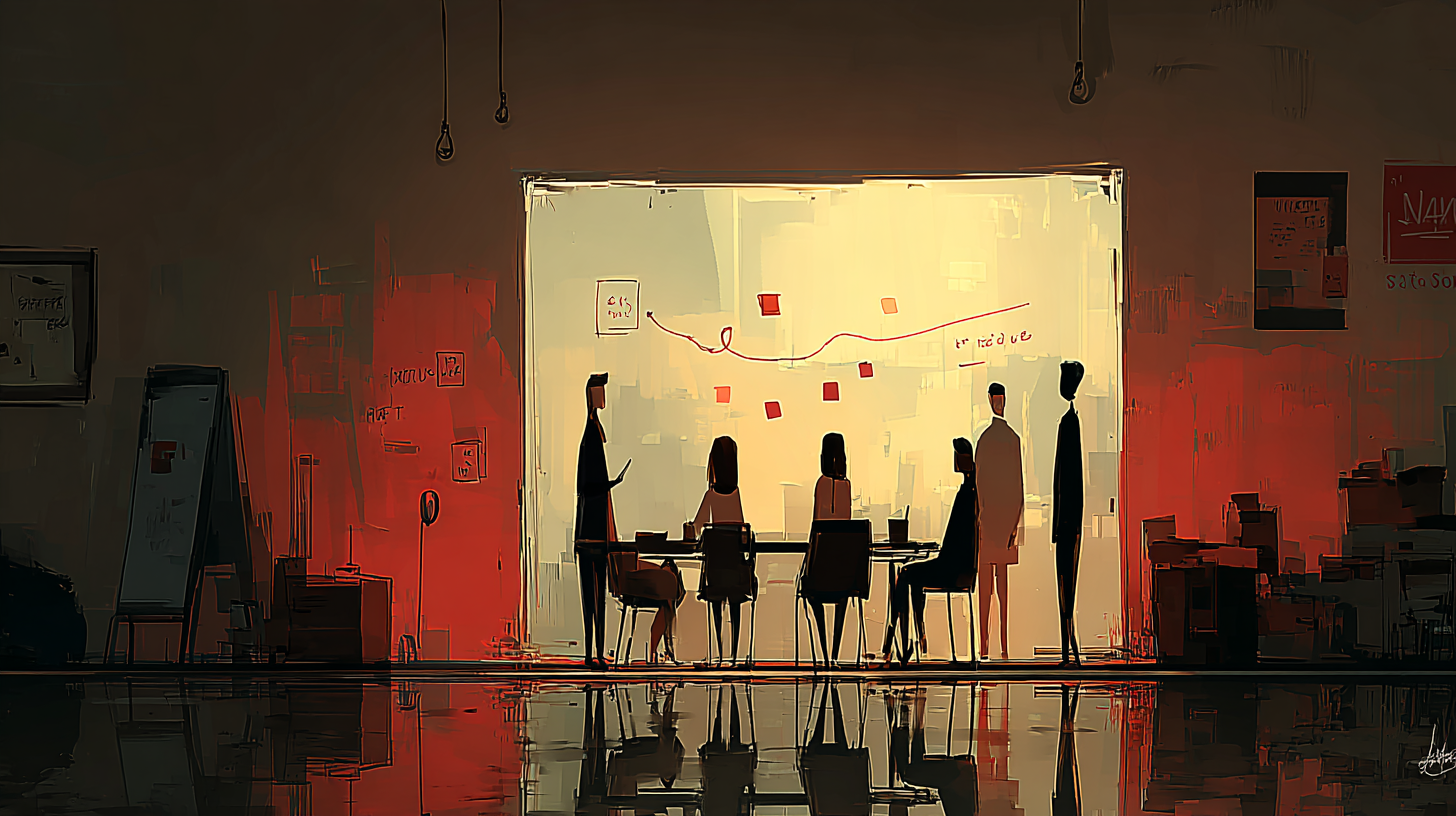
A timeline shows events or tasks in time order.
timelineは出来事や作業を時間の順番に並べた予定表や流れのことです。
以下は英単語 “timeline” に関するストーリー型学習コンテンツです。まずは大枠の意味を理解して最後の文章で確認しましょう。
「timeline」の主な意味(main meaning)
| 品詞 | 意味 | 英語定義 | 例文 | 発音記号 |
|---|---|---|---|---|
| noun | 出来事を時間順に並べた表 | a list or chart that shows events in the order they happened | The team created a timeline for the product launch. | /ˈtaɪmˌlaɪn/ |
| noun | 計画の期間と予定の流れ | the planned time period for a project and its key steps | Our timeline is tight, so we need to work efficiently. | /ˈtaɪmˌlaɪn/ |
「timeline」の語源(etymology)
time と line(線)が合わさった言葉です。
時間を一本の線にして、出来事を左から右へ並べて見るイメージです。
「timeline」の類義語(synonyms)
| 類義語 | 基本的な意味 | 指定単語とのニュアンスの違い | 英語例文 |
|---|---|---|---|
| chronology | 年月順の並び | timelineよりも学術的で、出来事の順番そのものに注目する | The report explains the chronology of the accident. |
| schedule | 予定表 | timelineより日や時間が具体的で、会議や作業の予定に使う | My schedule is full this week. |
| sequence | 一連の順番 | timelineより時間に限らず、手順や順序全般に使える | Follow the sequence of steps carefully. |
| timetable | 時刻表 予定表 | scheduleに近いが、決まった時刻や枠が強い | Check the train timetable before you leave. |
| timescale | 時間の規模 | timelineより長さの感覚に焦点があり、短期か長期かを言う時に使う | Climate change happens on a long timescale. |
「timeline」の反義語(antonyms)
| 反義語 | 基本的な意味 | 英語例文 |
|---|---|---|
| disorder | 無秩序 | Without a plan, the project fell into disorder. |
| randomness | でたらめ | Randomness in the process caused many mistakes. |
「timeline」のコロケーション(collocations)
| コロケーション | 意味 | 英語例文 |
|---|---|---|
| create a timeline | タイムラインを作る | We will create a timeline before we start. |
| project timeline | プロジェクトの予定の流れ | The project timeline changed after the meeting. |
| historical timeline | 歴史の年表 | The museum displayed a historical timeline. |
| meet the timeline | 期限に間に合わせる | We must meet the timeline to satisfy the client. |
| extend the timeline | 期間を延ばす | They decided to extend the timeline by two weeks. |
「timeline」の2項表現(binomials)
| 2項表現 | 意味 | 英語例文 |
|---|---|---|
| past and present | 過去と現在 | The presentation compared the past and present of the company. |
| then and now | 当時と今 | The photos show the city then and now. |
| sooner or later | 遅かれ早かれ | Sooner or later, we need to make a decision. |
英語ストーリー(english story)
On Monday morning, Aya walked into the office with a notebook in her hand. Her team had a big goal: launching a new customer support app by the end of the quarter. They had talent, but lately their work felt like disorder. Tasks were started and then forgotten. Some people said they were busy, but Aya could see another problem: the process had too much randomness.
At 9:30, their manager, Mr. Tanaka, called everyone into a small meeting room. He looked tired but calm.
“We need clarity,” he said. “Let’s create a timeline today.”
Aya opened her laptop. On the screen, she wrote Project Timeline at the top. Then she drew a simple line across the page, like a road. In her mind, a timeline was not just a list. It was a promise about how the team would move from past and present responsibilities to future results.
First, Mr. Tanaka asked Ken, the designer, to explain the history of the project. Ken talked about the early ideas and the changes the client requested. Aya wrote a short chronology of those events, because it helped everyone remember why certain decisions were made.
Next, they discussed what had to happen from now on. Aya suggested making a clear schedule for each week. “A schedule is more concrete than a general plan,” she said. “If we agree on dates, it will be easier to act.”
The engineer, Mei, nodded. “And we should decide the sequence of tasks,” she added. “If we test after we release, it will be too late.”
Aya wrote everything down, step by step. Design updates, coding, internal testing, security review, and final approval. The sequence looked logical, and for the first time in weeks, the team seemed to breathe more easily.
Then Mr. Tanaka pointed at the last date. “Can we meet the timeline?” he asked.
A short silence filled the room. They all knew the client wanted a fast delivery.
Aya answered carefully. “Our timescale is short, but it is possible if we reduce extra work. However, we need help from the sales team for user interviews.”
Ken looked worried. “My timetable is already tight,” he said. “I have two other projects.”
Mr. Tanaka didn’t get angry. He asked questions and listened. Then he said, “Let’s be honest. If we keep the same resources, we may need to extend the timeline. But I want to avoid that if we can.”
They took a ten-minute break. Aya went to the kitchen area and poured coffee. She thought about then and now. Last month, they had been excited, but their excitement had turned into stress. She believed that a strong timeline could bring back confidence, because it turned fear into steps.
When the break ended, Aya shared a suggestion. “What if we simplify the first version of the app,” she said. “We can launch with the key features, and add the rest later.”
Mei agreed. “That would reduce risk. Sooner or later, we will improve the app anyway.”
Ken smiled a little. “If we do that, I can finish the design faster.”
They updated the project timeline together. They set a new schedule for weekly check-ins. They also agreed on a simple rule: every task needed an owner and a deadline. If something changed, they would update the timeline the same day, not a week later.
Two weeks passed. The office felt different. When a problem appeared, they did not panic. They opened the timeline, checked the sequence, and adjusted the schedule. There was less disorder, and randomness stopped controlling their days.
On the Friday before the client demo, Mr. Tanaka visited Aya’s desk. “Good work,” he said. “You didn’t just make a chart. You gave us a way to think.”
Aya looked at the screen. The line was still there, with dates and notes. It reminded her that progress was not magic. It was a path. And if the team kept walking, they could meet the timeline.
和訳
月曜日の朝、アヤはノートを手にオフィスに入った。彼女のチームには大きな目標があった。四半期末までに新しいカスタマーサポートのアプリを公開することだ。実力はあるのに、最近の仕事は無秩序(disorder:無秩序)に感じられた。作業を始めても、途中で忘れられる。忙しいと言う人もいたが、アヤには別の問題が見えていた。進め方にでたらめ(randomness:でたらめ)が多すぎたのだ。
9時30分、マネージャーの田中さんが全員を小さな会議室に呼んだ。彼は疲れて見えたが落ち着いていた。
「はっきりさせよう」と彼は言った。「今日、タイムラインを作ろう(create a timeline:タイムラインを作る)」
アヤはノートパソコンを開いた。画面の上にプロジェクトの予定の流れ(project timeline:プロジェクトの予定の流れ)と書いた。そして道のように、一本の線を引いた。アヤの中でtimelineは、ただのリストではない。過去と現在(past and present:過去と現在)の責任から未来の結果へ進む約束だった。
まず田中さんは、デザイナーのケンにプロジェクトの経緯を説明してほしいと言った。ケンは最初のアイデアと、クライアントが求めた変更について話した。アヤは短い年代順の並び(chronology:年月順の並び)を書いた。そうすると、なぜある決定をしたのかを思い出しやすくなるからだ。
次に、これから何をしなければならないかを話し合った。アヤは週ごとのはっきりした予定表(schedule:予定表)を作ることを提案した。「scheduleは大まかな計画より具体的です。日付に合意できれば、動きやすくなります」
エンジニアのメイはうなずいた。「それに、作業の一連の順番(sequence:一連の順番)も決めるべきです。公開した後でテストしたら遅すぎます」
アヤはすべてを書き留めた。デザイン更新、開発、社内テスト、セキュリティ確認、最終承認。順番は理にかなって見え、数週間ぶりにチームは少し楽そうだった。
そして田中さんが最後の日付を指さした。「期限に間に合わせられるか(meet the timeline:期限に間に合わせる)」と彼は聞いた。
短い沈黙が部屋を満たした。クライアントが早い納品を望んでいることは全員が知っていた。
アヤは慎重に答えた。「時間の規模(timescale:時間の規模)は短いですが、余計な作業を減らせば可能です。ただ、ユーザーインタビューでは営業チームの助けが必要です」
ケンは心配そうだった。「僕の時刻表的な予定(timetable:時刻表 予定表)はもうきついよ。ほかにプロジェクトが二つある」
田中さんは怒らなかった。質問して、聞いた。そして言った。「正直に言おう。同じ人員のままだと、期間を延ばす(extend the timeline:期間を延ばす)必要が出るかもしれない。でもできれば避けたい」
休憩で10分とった。アヤは給湯スペースでコーヒーを注ぎ、当時と今(then and now:当時と今)を考えた。先月はワクワクしていたのに、それがストレスに変わっていた。強いtimelineは自信を戻せると彼女は思った。怖さを手順に変えられるからだ。
休憩後、アヤは提案を出した。「アプリの最初の版をシンプルにしませんか。大事な機能だけで公開して、残りは後で足しましょう」
メイは賛成した。「それならリスクが減る。遅かれ早かれ(sooner or later:遅かれ早かれ)改善はするしね」
ケンは少し笑った。「それならデザインを早く終えられる」
彼らは一緒にプロジェクトの予定の流れ(project timeline:プロジェクトの予定の流れ)を更新した。毎週の確認のための予定表(schedule:予定表)も決めた。そして簡単なルールに合意した。すべての作業には担当者と締め切りが必要だ。変化があれば、その日にtimelineを更新する。1週間後ではない。
2週間が過ぎた。オフィスの空気は変わった。問題が起きてもパニックにならない。timelineを開き、一連の順番(sequence:一連の順番)を確認し、予定表(schedule:予定表)を調整する。無秩序(disorder:無秩序)は減り、でたらめ(randomness:でたらめ)が日々を支配しなくなった。
クライアント向けデモの前の金曜日、田中さんがアヤの席に来た。「よくやった」と彼は言った。「君はただの表を作ったんじゃない。考え方を作ったんだ」
アヤは画面を見た。線はそこにあり、日付とメモが並んでいた。進歩は魔法ではない。それは道だ。そして歩き続ければ、期限に間に合わせられる(meet the timeline:期限に間に合わせる)。
「timeline」のQ&A
- Qtimelineはどんな意味ですか
- A
timelineは出来事や作業を時間の順番に並べた流れや表のことです
- Qtimelineとscheduleはどう違いますか
- A
scheduleは日付や時間がより具体的な予定表でtimelineは全体の流れを見せます
- Qtimelineとchronologyはどう使い分けますか
- A
chronologyは出来事の順番そのものを説明する時に使いtimelineは図や計画表として見せることが多いです
- Qtimelineとsequenceは何が違いますか
- A
sequenceは時間に限らず手順の順番も言えるのでtimelineより広い意味で使えます
- Qtimelineとtimetableは同じですか
- A
timetableは決まった時刻の枠が強く電車や授業のように固定された予定でよく使います
- Qtimescaleはtimelineとどう関係しますか
- A
timescaleは短期か長期かという時間の長さの感覚でtimelineはその長さの中に予定を並べます
- Qcreate a timelineはどんな場面で使いますか
- A
会議で計画を整理したい時やプロジェクトを始める前にcreate a timelineと言います
- Qmeet the timelineはどんな意味ですか
- A
期限に間に合わせるという意味で計画通りに終わらせたい時にmeet the timelineと言います
- Qextend the timelineはいつ使いますか
- A
人手不足や変更が多くて予定が厳しい時に期間を延ばす意味でextend the timelineと言います
- Qpast and presentやthen and nowはどんな時に使いますか
- A
過去と現在を比べる時にpast and presentやthen and nowを使い変化をわかりやすくします


コメント