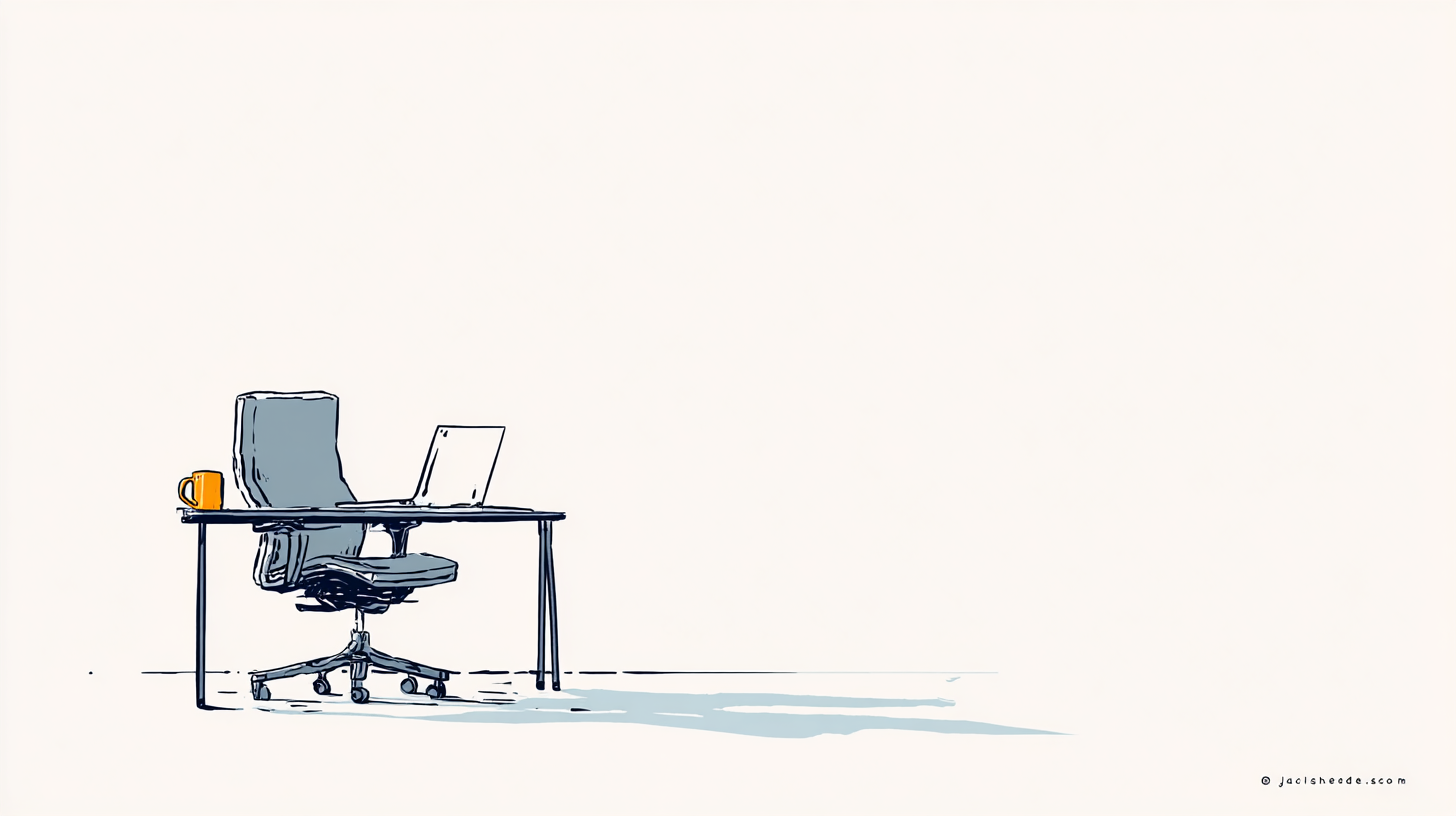
Tired is the honest word — the one people use when they mean something more than just sleepy, and less than broken.
「tired」は「疲れた・眠い」という身体的状態から「〜に飽き飽きした」「使い古された」まで、疲弊のあらゆる側面を表す多機能な形容詞だ。
以下は英単語 “tired” に関するストーリー型学習コンテンツです。まずは大枠の意味を理解して最後の文章で確認しましょう。
「tired」の主な意味(main meaning)
| 品詞 | 意味(日本語) | 英語定義 | 英語例文 | IPA |
|---|---|---|---|---|
| 形容詞 | 疲れた、くたびれた | feeling the need to sleep or rest; physically or mentally drained | She looked tired after the long flight and two days of meetings. | /ˈtaɪərd/ |
| 形容詞 | 〜に飽き飽きした(tired of) | bored with or no longer having patience for something | He was tired of being asked the same question every week. | /ˈtaɪərd/ |
| 形容詞 | 使い古された、陳腐な | no longer fresh or effective; overused and lacking originality | The presentation relied on tired metaphors that nobody found convincing. | /ˈtaɪərd/ |
「tired」の語源(etymology)
古英語 tēorian(疲れさせる・尽きる)に由来し、もともとは「力が尽きて動けなくなる」という意味を持っていた。ゲルマン語派の語根と関連するが、正確な語源は不明な部分も多い。tire(疲れさせる)の過去分詞・形容詞形。
核となるイメージ:内側から燃料が尽きて、それ以上前に進む力が残っていない状態。
「tired」の類義語(synonyms)
| 類義語 | 基本的な意味 | tiredとのニュアンスの違い | 英語例文 |
|---|---|---|---|
| exhausted | へとへとな、完全に疲弊した | tiredより強度が高い。「完全に力が尽きた」という極限の疲労を表し、口語でも文語でもよく使われる | After the marathon, she was completely exhausted and could barely walk. |
| weary | 疲れ果てた、うんざりした | tiredより文語的・詩的。長期にわたる精神的・肉体的な疲弊に焦点。「もうたくさん」という感情的な疲れも含む | He grew weary of the endless back-and-forth and finally made a decision. |
| sleepy | 眠い、うとうとした | tiredの「眠い」用法に限定した語。精神的疲労や「飽き飽き」の含意はなく、純粋に眠気を指す | The warm afternoon made everyone in the meeting sleepy. |
| drained | 消耗した、気力を吸い取られた | tiredより「エネルギーが完全に抜けた」という感覚に焦点。感情的・精神的な消耗に使われることが多い | Dealing with difficult clients all day left her completely drained. |
| worn out | すり切れた、使い果たした | tiredより強く「もう使い物にならないほど消耗した」という含意がある。物・人両方に使える | The team was worn out after three consecutive weeks of overtime. |
「tired」の反義語(antonyms)
| 反義語 | 基本的な意味 | 英語例文 |
|---|---|---|
| energized | 活力に満ちた、元気になった | She came back from the break energized and full of new ideas. |
| refreshed | リフレッシュした、すっきりした | A good night’s sleep left him feeling completely refreshed. |
| alert | 機敏な、注意力のある | Despite the long meeting, she remained alert and focused throughout. |
「tired」のコロケーション(collocations)
| コロケーション | 基本的な意味 | 英語例文 |
|---|---|---|
| feel tired | 疲れを感じる | She started feeling tired around three in the afternoon every day. |
| look tired | 疲れて見える | You look tired — did you sleep at all last night? |
| tired of | 〜に飽き飽きした、うんざりした | He was tired of being the only one who noticed the problem. |
| tired eyes | 疲れた目 | She rubbed her tired eyes and reached for another coffee. |
| tired but happy | 疲れたが満足した | They finished the project tired but happy — proud of what they had built. |
| tired old | 使い古された、陳腐な(強調) | We need fresh thinking, not the same tired old excuses. |
| grow tired of | だんだん〜に飽きてくる | Even dedicated employees can grow tired of a project that never ends. |
「tired」の2項表現(binomials)
| 2項表現 | 基本的な意味 | 英語例文 |
|---|---|---|
| tired but determined | 疲れているが決意は固い | Tired but determined, she submitted the final report at midnight. |
| tired and emotional | 疲れて感情的になっている(婉曲的に酔っている) | He arrived at the party tired and emotional — best to give him space. |
| tired or energized | 疲れているか活力があるか | Whether tired or energized, the rule is the same: always check your work before sending. |
英語ストーリー(english story)
Thursday
By Thursday, the office had a specific quality to it.
Not bad, exactly. Not good. Just — Thursday. The kind of day where everyone was still working but the working had taken on a certain weight. Keyboards clicked a little slower. Coffee cups were refilled a little more often. Conversations were shorter, and the silences between them were longer.
Aya noticed it because she felt it herself. Her tired eyes made the screen look slightly brighter than it was. She had started three emails and finished none of them.
“You look tired,” Mr. Tanaka said, appearing at her desk with a glass of water. He set it down without further comment.
“It’s Thursday,” she said.
“It is,” he agreed. This seemed, between them, to be sufficient explanation.
By afternoon, a situation had developed. A client had sent a complaint — not a serious one, but the kind that required a response that was neither dismissive nor apologetic, and crafting that particular tone when tired but determined was harder than it sounded.
Aya drafted the response twice. The first draft was too short. The second was too careful. She was tired of rewriting the same thing and could feel herself beginning to grow tired of the client’s tired old habit of escalating minor issues into formal complaints.
She stopped.
She sent the draft to Mr. Tanaka.
He read it in three minutes. “Third paragraph,” he said. “You’re tired of them. It shows.”
She looked at it. He was right. The third paragraph was technically correct and subtly hostile in a way that only another tired person would recognize.
She rewrote the third paragraph.
The response went out at four-fifteen. The client replied within the hour, satisfied.
“Tired but effective,” Mr. Tanaka said, reading the reply over her shoulder.
“Tired but happy,” she corrected. Whether tired or energized, she had learned, the quality of the work didn’t have to change. Only the effort required to maintain it.
She sent one last email and shut down her laptop at five-thirty.
Thursday, she decided, had been enough. Friday could handle Friday.
登場した表現一覧:
- tired eyes
- look tired
- feel tired(示唆的言及)
- tired but determined
- tired of
- grow tired of
- tired old
- tired but happy
- tired and emotional(示唆的言及)
- tired or energized
和訳
木曜日
木曜日までに、オフィスには特有の雰囲気が漂っていた。
悪くはない。良くもない。ただ――木曜日。誰もまだ仕事をしているが、その仕事が特定の重みを帯びてきた種類の日。キーボードをタイプする音が少しゆっくりになった。コーヒーカップが少し頻繁に補充された。会話が短くなり、その間の沈黙が長くなった。
彩はそれに気づいた。なぜなら自分でも感じていたから。疲れた目(tired eyes:疲れた目)で画面を見ると、実際より少し明るく見えた。3つのメールを書き始めたが、一つも完成させていなかった。
「疲れてますね(look tired:疲れて見える)」田中さんが水のグラスを持って彼女のデスクに現れ、何も言わずに置いた。
「木曜ですから」と彼女は言った。
「そうですね」と彼は同意した。これで、二人の間では十分な説明になった。
午後になって、状況が発生した。クライアントが苦情を送ってきた――深刻なものではなかったが、軽視でも謝罪でもない返答が必要で、疲れているが決意は固い(tired but determined:疲れているが決意は固い)状態でその特定のトーンを作るのは、言うほど簡単ではなかった。
彩は返答を2度下書きした。最初は短すぎた。2度目は慎重すぎた。同じものを書き直すことに飽き飽きしていた(tired of:〜に飽き飽きした)し、クライアントの小さな問題を正式な苦情にエスカレートする使い古しの(tired old:使い古された)習慣に対してだんだんうんざりしてきている(grow tired of:だんだん〜に飽きてくる)自分を感じた。
止まった。
田中さんに下書きを送った。
彼は3分で読んだ。「3段落目」と彼は言った。「彼らにうんざりしてる。それが見える」
彼女はそれを見た。彼は正しかった。3段落目は技術的には正確だったが、別の疲れた人だけが気づくような、微妙な敵意を持っていた。
3段落目を書き直した。
返答は4時15分に送られた。クライアントは1時間以内に返信してきた、満足して。
「疲れているが効果的」と田中さんが彼女の肩越しに返信を読みながら言った。
「疲れたが満足(tired but happy:疲れたが満足した)」と彼女は訂正した。疲れているか活力があるか(tired or energized:疲れているか活力があるか)にかかわらず、仕事の質は変わる必要がないと彼女は学んでいた。それを維持するために必要な努力だけが変わる。
最後のメールを送って、5時半にノートパソコンをシャットダウンした。
木曜日は十分だった、と彼女は思った。金曜日は金曜日に任せよう。
「tired」のQ&A
- Qtired には「疲れた」以外の意味がありますか?
- A
はい、主に3つの用法があります。①身体的・精神的疲労(I feel tired)、②「〜に飽き飽きした・うんざりした」(tired of complaints)、③「使い古された・陳腐な」(tired excuses)です。文脈によって意味が大きく変わるため、周囲の語に注意が必要です。
- Qtired と exhausted はどう違いますか?
- A
exhausted は tired の強化版で「完全に力が尽きた・へとへとな」という極限の疲労を表します。tired は軽度から中程度の疲労に使われ、日常的に広く使われます。”I’m tired”(疲れた)は自然な日常表現ですが、”I’m exhausted”(へとへとだ)はより深刻な疲弊を示します。
- Qtired of と bored with はどう違いますか?
- A
tired of は「もうたくさん・うんざりした」という我慢の限界に近い感情を表します。bored with は「退屈している・刺激がなくて飽きた」という刺激の欠如に焦点が当たります。”tired of waiting”(待ち続けることにうんざり)は不満・焦燥を含み、”bored with waiting”(待つのが退屈)は単純な退屈感を表します。
- Qtired old という表現はどういう意味ですか?
- A
「使い古された・陳腐な・もう誰も信じない」という強調表現で、アイデア・言い訳・比喩などが繰り返し使われすぎて新鮮さも説得力も失っていることを批判します。”the same tired old excuses”(いつも同じ使い古しの言い訳)のように、tiredness と oldness を組み合わせて陳腐さを強調します。
- Qtired and emotional とはどういう意味ですか?
- A
字義通りには「疲れて感情的になっている」ですが、英国英語では「酔っている」の婉曲表現として広く使われます。ジャーナリズムや政治報道で、直接「酔っている」と書けない場面で使われてきた慣用的な表現です。文脈によって字義通りの意味と婉曲表現を使い分ける必要があります。
- Qlook tired と feel tired はどう違いますか?
- A
look tired は外見・様子から疲れていると判断される場合に使い、他者が観察して使う表現です。feel tired は自分自身が疲れを感じている内面の状態を表します。”You look tired”(疲れてそうに見えますよ)は相手への気遣いで使われますが、文化によっては失礼に聞こえることもあるため注意が必要です。
- Qtired but happy という表現はどういう意味ですか?
- A
「疲れたが満足している」という意味で、肉体的な疲労と精神的な充実感が共存している状態を表します。イベント・プロジェクト・旅行・スポーツなどの達成感を伴う体験の後によく使われます。疲れただけでなく、それが良い理由から来ていることを示す温かいニュアンスがあります。
- Qgrow tired of とはどういう意味ですか?
- A
「だんだん〜に飽きてくる・徐々に〜がうんざりになる」という意味で、tired of より「時間をかけて少しずつ疲れてくる」プロセスを強調します。”She grew tired of the daily commute after two years.”(2年後、彼女は毎日の通勤にだんだんうんざりしてきた)のように、変化の過程を描写する場面に使われます。
- Qweary と tired はどう違いますか?
- A
weary はより文語的・詩的で、長期にわたる精神的・肉体的な疲弊を表します。単なる眠気ではなく、「もうたくさん・疲れ果てた」という感情的な重さを含みます。tired は口語から文語まで幅広く使われる汎用語ですが、weary は文学・スピーチ・改まった文章でより自然です。
- Qtired または exhausted はビジネスメールで使えますか?
- A
tired は口語的で個人的な表現のため、フォーマルなビジネスメールには向きません。ビジネス文脈では “The team has been working at full capacity”(チームはフル稼働してきた)や “We’ve had a demanding schedule”(過密スケジュールでした)のような表現が適切です。ただし1対1の率直なコミュニケーションでは “I have to admit, the team is tired”(チームが疲れているのは認めます)のように使うこともできます。
- Q次のシーンで最も自然な表現はどれですか?
「感情的に要求の多い顧客対応を一日中続けた後の、精神的な消耗感を描写したい。」
A. tired
B. sleepy
C. exhausted
D. drained - A
→ 正解はD。 理由:drained は「エネルギーが完全に抜けた・気力を吸い取られた」という意味で、特に感情的・精神的な消耗に焦点が当たります。”Dealing with demanding clients all day left her completely drained.” は感情労働による疲弊を最も正確に表現しています。
他の選択肢が不正解な理由:
- A の tired も使えますが、より一般的な疲労を表し、感情的消耗の具体的なニュアンスが drained より弱いです。
- B の sleepy は純粋に「眠い」という意味で、精神的消耗の描写には全く不適切です。
- C の exhausted は「完全に力が尽きた」という強度を持ちますが、肉体的疲労のニュアンスが強く、感情的消耗には drained の方が自然です。
関連記事
| 単語 | 関連度 | 優先度 | 備考 |
|---|---|---|---|
| exhausted | 類義語 | 高 | 完全な疲弊・極限の疲労 |
| weary | 類義語 | 高 | 文語的・長期的疲弊 |
| drained | 類義語 | 高 | 感情的・精神的消耗 |
| energized | 反義語 | 中 | 活力に満ちた |
| refreshed | 反義語 | 中 | リフレッシュした |

コメント