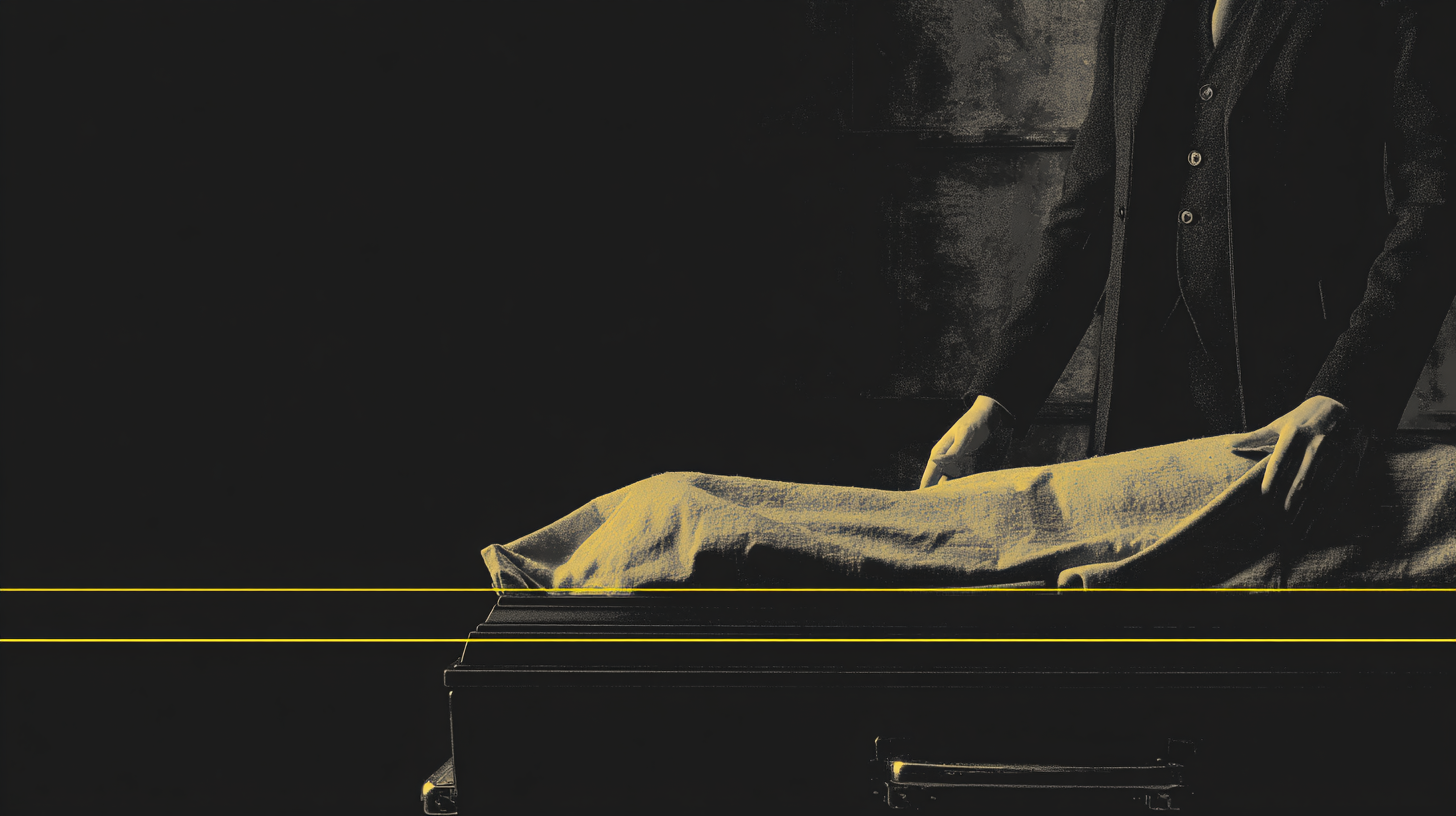
Deceased means a person is not alive anymore, in a polite way.
deceasedは「亡くなった」という意味で、人が死んでいることを丁寧に言う形容詞です。
以下は英単語 “deceased” に関するストーリー型学習コンテンツです。まずは大枠の意味を理解して最後の文章で確認しましょう。
「deceased」の主な意味(main meaning)
| 品詞 | 主要な意味 | 簡潔な英語定義 | 英語例文 | 発音記号(IPA) |
|---|---|---|---|---|
| adjective | 亡くなった | no longer living; dead | Her deceased grandfather left her a letter. | /dɪˈsiːst/ |
「deceased」の語源(etymology)
deceasedはラテン語由来で、もともと「去る」「離れる」というイメージから来ています。
核のイメージは「この世から去った人」です。
「deceased」の類義語(synonyms)
| 類義語 | 基本的な意味 | 指定単語とのニュアンスの違い | 英語例文 |
|---|---|---|---|
| dead | 死んでいる | いちばん普通で直接的。deceasedより言い方がストレート。 | The plant is dead because it had no water. |
| late | 亡くなった | 人について丁寧に言う。deceasedと近いが、より慣用的で会話でも見かける。 | My late uncle loved fishing. |
| departed | 亡くなった | 「去った」という比喩が強く、少し古風でやわらかい言い方。 | We prayed for our departed friends. |
| passed away | 亡くなった | 表現がやさしく、会話でよく使う言い回し。deceasedよりくだけた丁寧さ。 | Her grandmother passed away last year. |
| lifeless | 命のない | 人にも物にも使えるが、状態描写が強い。deceasedほど人に限定しない。 | They found a lifeless body on the beach. |
「deceased」の反義語(antonyms)
| 反義語 | 意味 | 英語例文 |
|---|---|---|
| alive | 生きている | The bird is still alive. |
| living | 生きている | She is the oldest living member of the team. |
「deceased」のコロケーション(collocations)
| コロケーション | 意味 | 英語例文 |
|---|---|---|
| deceased person | 亡くなった人 | The police contacted the family of the deceased person. |
| the deceased | 故人(亡くなった人) | The deceased was respected by everyone. |
| deceased relative | 亡くなった親族 | He kept a photo of his deceased relative on his desk. |
| deceased husband/wife | 亡くなった夫/妻 | She talked about her deceased husband with kindness. |
| deceased patient | 亡くなった患者 | The hospital reported the case of a deceased patient. |
「deceased」の2項表現(binomials)
| 2項表現(A and B) | 意味 | 英語例文 |
|---|---|---|
| life and death | 生と死 | The doctor explained it was a matter of life and death. |
| dead and gone | もういない(完全に亡くなって) | The old rules are dead and gone now. |
| safe and sound | 無事で | Everyone returned safe and sound after the drill. |
英語ストーリー(english story)
On Monday morning, Aya arrived at the office earlier than usual. She wanted a quiet start because she had a difficult task. She worked in the customer support team of a small insurance company, and that week she was training a new employee, Ken.
When Ken came in, he looked nervous but polite. Aya smiled and said, “Good morning. Don’t worry. We will take it step by step.”
Their manager, Mr. Sato, called Aya to his desk. “Aya, we received a sensitive case. A customer’s husband is deceased, and she needs help with the documents. Can you handle it with Ken?”
Aya nodded. “Yes, I will.”
Back at their seats, Aya explained, “In our work, words matter. We must be clear, but also kind. We often say ‘deceased’ in official documents. It sounds more formal than ‘dead.’”
Ken listened carefully. “So ‘dead’ is too direct?”
“Not always,” Aya answered. “For example, if a phone battery is dead, it is normal. But for people, ‘dead’ can sound cold. ‘Deceased’ is polite and official. People also say ‘passed away’ in conversation. And sometimes you will see ‘the late’ before a person’s name, like ‘my late father.’”
Just then, a call came in. Aya put it on speaker so Ken could learn. A woman’s voice was shaky. “Hello… I’m calling about my policy. My husband passed away, and I don’t know what to do.”
Aya spoke softly. “I’m very sorry for your loss. I will guide you. First, may I confirm your name and policy number?”
As the woman answered, Ken wrote notes. Aya continued, “To process the claim, we need a copy of the death certificate and an ID. The form uses the phrase ‘deceased person’ and sometimes ‘the deceased.’ It may look cold, but it is just the legal wording.”
The woman took a deep breath. “I understand. Thank you for explaining.”
After the call ended, Ken looked serious. “That felt like life and death, not just paperwork.”
Aya nodded. “Yes. We are dealing with real people. When someone is alive, they can call again and fix mistakes. But when a person is deceased, the family carries the stress. That’s why we must be careful and kind.”
Later that day, Ken found an old file and asked, “This says ‘departed.’ Is that the same?”
“It means almost the same,” Aya said. “It’s a softer, sometimes old-fashioned word. In business, we usually avoid it and use ‘deceased’ because it is clear.”
In the afternoon, Mr. Sato checked their progress. “Good work. The customer said you were calm and respectful.”
Ken relaxed a little. “I’m glad. I was afraid I would say something wrong.”
Aya smiled. “You did fine. In this job, some expressions become dead and gone over time, but kindness is always needed. If we keep our tone safe and sound, we can support people even on their hardest days.”
Ken looked at his notes and said, “I will remember. ‘Deceased’ is not just a word. It is a way to show respect.”
Aya nodded quietly, and they returned to their desks, ready for the next call.
和訳
月曜の朝、アヤはいつもより早くオフィスに着いた。難しい仕事があるので、静かに始めたかったのだ。彼女は小さな保険会社のカスタマーサポートチームで働いていて、その週は新入社員のケンを指導していた。
ケンが来ると、彼は緊張していたが礼儀正しかった。アヤは笑って言った。「おはよう。心配しないで。少しずつやろう。」
マネージャーの佐藤さんがアヤをデスクに呼んだ。「アヤ、繊細な案件が来た。お客様の夫がdeceased(亡くなった)で、書類の助けが必要だ。ケンと一緒に対応できるか?」
アヤはうなずいた。「はい、対応します。」
席に戻ると、アヤは説明した。「この仕事では言葉が大事。はっきり言う必要があるけど、やさしさも必要。公式書類ではdeceased(亡くなった)をよく使うよ。dead(死んでいる)よりフォーマルに聞こえる。」
ケンは真剣に聞いた。「じゃあdead(死んでいる)は直接すぎる?」
アヤは答えた。「いつもじゃないよ。例えばスマホの電池がdead(切れている)なら普通。でも人に対してはdead(死んでいる)は冷たく聞こえることがある。deceased(亡くなった)は丁寧で公式。会話ではpassed away(亡くなった)もよく言うよ。あと、人の名前の前にlate(亡くなった)を置くこともある。例えばmy late father(亡き父)みたいに。」
そのとき電話が入った。ケンが学べるように、アヤはスピーカーにした。女性の声は震えていた。「もしもし…保険のことで電話しました。夫がpassed away(亡くなって)、どうしたらいいかわからなくて。」
アヤはやさしく話した。「お悔やみ申し上げます。私がご案内します。まず、お名前と証券番号を確認してもよろしいですか。」
女性が答える間、ケンはメモを取った。アヤは続けた。「請求手続きには、死亡証明書のコピーと身分証が必要です。書類にはdeceased person(亡くなった人)やthe deceased(故人)という表現が出ます。冷たく見えるかもしれませんが、法律上の言い方なんです。」
女性は深呼吸した。「わかりました。説明してくれてありがとうございます。」
電話が終わると、ケンは真顔になった。「これはただの書類じゃなくて、life and death(生と死)だね。」
アヤはうなずいた。「そう。相手は現実の人。alive(生きている)ならまた電話して間違いを直せる。でもdeceased(亡くなった)場合、家族がストレスを背負う。だから慎重に、やさしくしないといけない。」
その日の後半、ケンは古いファイルを見つけて聞いた。「ここにdeparted(亡くなった)って書いてあります。これも同じ?」
アヤは言った。「ほぼ同じ意味。もっとやわらかくて、少し古風な言い方かな。仕事では、はっきりしているdeceased(亡くなった)を使うことが多いよ。」
午後、佐藤さんが進み具合を確認した。「よくやった。お客様が落ち着いて丁寧だったと言っていたよ。」
ケンは少し安心した。「よかった。間違ったことを言うのが怖かったです。」
アヤは笑った。「大丈夫。仕事では、使われなくなってdead and gone(完全に消えた)表現も出てくるけど、やさしさはいつも必要。口調をsafe and sound(無事で落ち着いた状態)に保てば、いちばんつらい日にでも支えになれる。」
ケンはメモを見て言った。「覚えます。deceased(亡くなった)はただの単語じゃない。敬意を示す言い方なんだ。」
アヤは静かにうなずき、二人は次の電話に備えてデスクに戻った。
「deceased」のQ&A
- Qdeceasedはどんな意味ですか
- A
deceasedは「亡くなった」という意味で、人に対して丁寧に言う形容詞です。
- Qdeceasedはdeadとどう違いますか
- A
deadは直接的で強い言い方になりやすく、deceasedは書類や公式な場で丁寧に言うときに使います。
- Qdeceasedは会話でも使えますか
- A
会話ではpassed awayのほうがよく使われ、deceasedは少しかたい言い方として使われます。
- Qpassed awayとdeceasedの違いは何ですか
- A
passed awayはやさしい言い方で会話向きで、deceasedは公式で書類向きの丁寧な表現です。
- Qlateはどんなときに使いますか
- A
lateは「亡くなった」を表し、my late fatherのように名前の前に置いて言うことが多いです。
- Qdepartedはどんなニュアンスですか
- A
departedは「去った」というやわらかい比喩があり、少し古風で丁寧な響きがあります。
- Qthe deceasedはどういう意味ですか
- A
the deceasedは「故人」という意味で、書類や報告などで亡くなった人を指すときに使います。
- Qdeceased personはどんな場面で使いますか
- A
deceased personは保険や警察などの書類で「亡くなった人」を正確に示すときに使います。
- Qdeceasedのよくあるコロケーションは何ですか
- A
deceased relativeやdeceased husbandのように、亡くなった人との関係を付けて言うことが多いです。
- Qdeceasedを使った覚えやすいコツはありますか
- A
deceasedは「この世から去った人」というイメージで覚えると、丁寧な表現だと理解しやすいです。


コメント