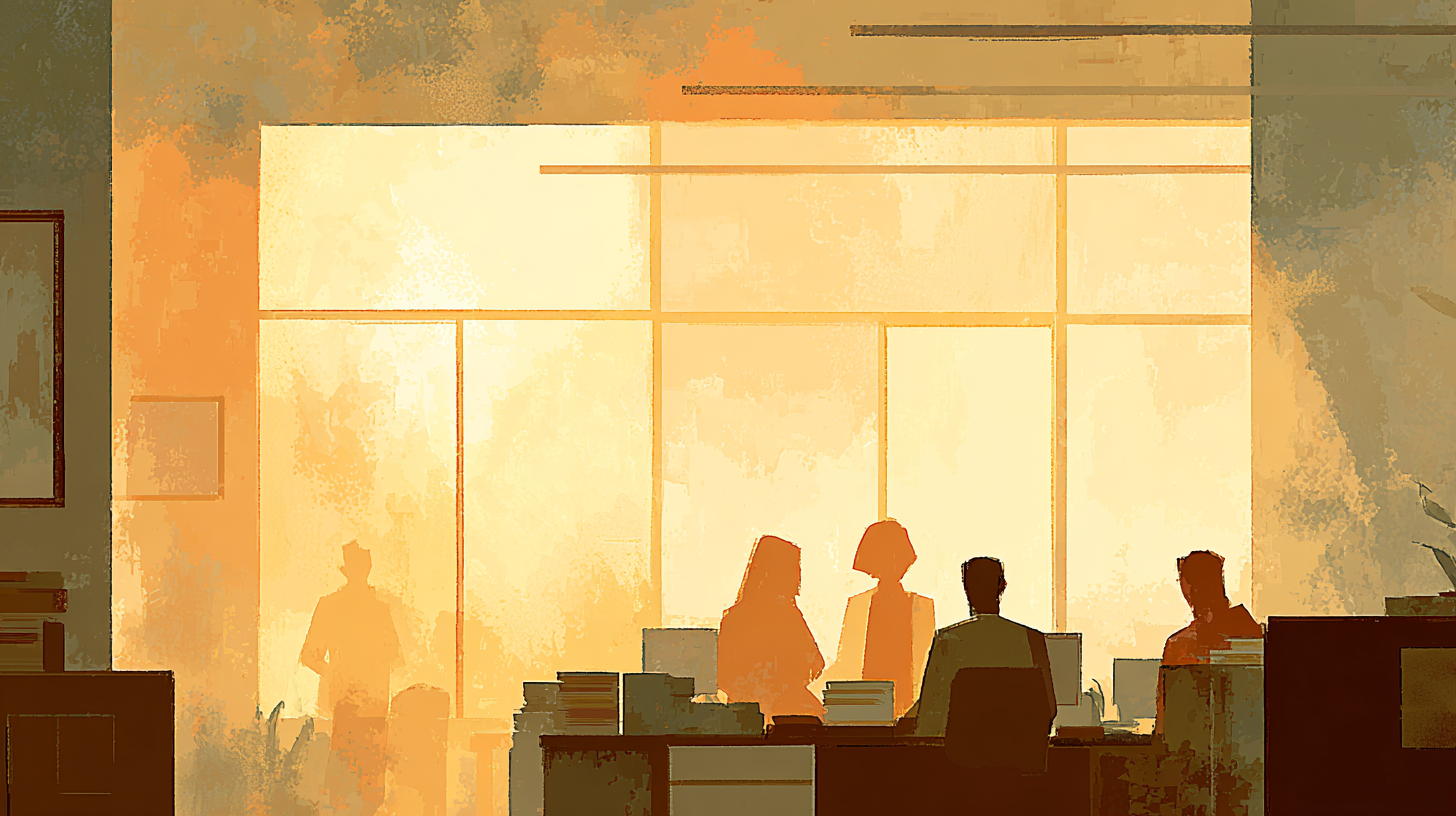
Tyranny means unfair and cruel control that steals people’s freedom.
tyranny は、人々をひどくしばる不公平な支配のこと。
以下は英単語 “tyranny” に関するストーリー型学習コンテンツです。まずは大枠の意味を理解して最後の文章で確認しましょう。
「tyranny」の主な意味(main meaning)
| Part of Speech | Meaning | English definition (simple) | Example sentence | IPA |
|---|---|---|---|---|
| noun | 暴君政治、専制政治 | cruel and unfair rule by one person or group | The people rose up against the tyranny of the ruler. | /ˈtɪrəni/ |
| noun | 圧政、抑圧的な支配 | harsh control that takes away freedom | Some employees felt the manager’s strict rules were a kind of tyranny. | /ˈtɪrəni/ |
「tyranny」の語源(etymology)
古代ギリシャ語の「tyrannos(支配者)」に由来し、「力でおさえつける支配」という意味が育ちました。
核となるイメージは「上にいる人がルールをねじまげ、下の人の自由を押しつぶす」です。
「tyranny」の類義語(synonyms)
| 類義語 | 基本的な意味 | 指定単語とのニュアンスの違い | 英語例文 |
|---|---|---|---|
| oppression | 圧迫、抑圧 | tyranny は「支配の形」そのものに注目しやすいが、oppression は「苦しめられている状態」に注目する | Workers spoke out against oppression in the workplace. |
| dictatorship | 独裁政治 | dictatorship は「政治の仕組み」としての独裁を言うことが多いが、tyranny は「残酷さ・不公平さ」の強い批判が入る | The country lived under a dictatorship for years. |
| despotism | 専制政治 | despotism は「権力を一人に集中させること」を強く言う硬い語で、tyranny は日常でも比喩でも使いやすい | Many feared the despotism of the new leader. |
| authoritarianism | 権威主義 | authoritarianism は「ルールや命令を重視し、反対を許しにくい考え方・体制」を指し、tyranny はその結果の「ひどい支配」を強く非難する | Authoritarianism often limits free speech. |
| abuse of power | 権力乱用 | abuse of power は「具体的に権力を悪用する行為」を指し、tyranny は「全体として息苦しい支配」を指しやすい | The report described an abuse of power by officials. |
「tyranny」の反義語(antonyms)
| 反義語 | 基本的な意味 | 英語例文 |
|---|---|---|
| freedom | 自由 | Freedom allows people to speak without fear. |
| democracy | 民主主義 | Democracy gives citizens a voice in decisions. |
「tyranny」のコロケーション(collocations)
| コロケーション | 意味 | 英語例文 |
|---|---|---|
| live under tyranny | 圧政の下で暮らす | Millions had to live under tyranny for decades. |
| resist tyranny | 圧政に抵抗する | They organized peacefully to resist tyranny. |
| end tyranny | 圧政を終わらせる | The new constitution helped end tyranny. |
| the tyranny of the majority | 多数派の横暴 | In meetings, we must avoid the tyranny of the majority. |
| a tyranny of rules | ルールの横暴、規則づくめの息苦しさ | A tyranny of rules can kill creativity at work. |
「tyranny」の2項表現(binomials)
| 2項表現 | 意味(目安) | 英語例文 |
|---|---|---|
| checks and balances | 権力の抑制と均衡 | Checks and balances prevent one person from taking total control. |
| rights and responsibilities | 権利と責任 | In our team, rights and responsibilities must be clear. |
| law and order | 法と秩序 | People wanted law and order without fear. |
英語ストーリー(english story)
On Monday morning, our office felt unusually quiet. The printers were working, but no one talked. Even the coffee area, usually full of small jokes, sounded like a library. Everyone was waiting for Mr. Hargrove, the new operations manager.
He had arrived two weeks earlier, and since then the rules had multiplied like weeds. There was a rule about how to label files, a rule about how long a phone call could be, and a rule about what time you could stand up to stretch. At first we tried to laugh about it, but the laughter disappeared quickly. Some people began to call it a tyranny of rules, though only in whispers.
I work on the customer support team, and my job depends on quick decisions. One day a customer’s shipment was lost, and I offered a replacement right away. Mr. Hargrove stopped by my desk and said, “No replacements without my approval. Follow the process.” His voice was calm, but the message was sharp: power belonged to him. It felt like an abuse of power, because the process was too slow for real problems.
At lunch, my coworker Mina said, “This is more than strict management. It’s oppression. We’re scared to do our jobs.” She was normally cheerful, but now she stared at her salad like it was a punishment. Another coworker, Ken, shook his head. “It’s like a dictatorship,” he said. “One person decides everything, and we just obey.”
I didn’t want to exaggerate, but I also couldn’t ignore what was happening. The team had good results last quarter, and we had earned trust. Now, that trust was being replaced by fear. I remembered a training session about healthy workplaces. The trainer had said that checks and balances matter even in a company. It was not only about politics. It was about preventing one voice from crushing all the others.
That afternoon, Mr. Hargrove announced a new policy: every email to a client needed his approval, even if it was a simple answer. “This will improve quality,” he said. People nodded, but I could see the stress in their eyes. If we waited for approval, clients would wait too, and our work would look worse. Then, when results dropped, he could blame us.
After the meeting, Mina messaged me: “We need to resist tyranny, but in a smart way.” She suggested we gather examples of problems caused by the new rules: delayed replies, angry customers, and lost time. Ken added, “If we speak alone, we’ll be punished. If we speak together, we have a chance.”
Over the next three days, we quietly collected data. We compared response times before and after the new policy. We noted cases where customers asked for help and we could not act. The facts were clear. The new system hurt the company. It also hurt people. Some teammates stopped sharing ideas because they didn’t want to be corrected in public.
On Friday, we requested a short meeting with Ms. Tanaka, the director above Mr. Hargrove. She agreed. When we entered her office, my hands were sweating, but Mina’s voice was steady. “We respect law and order,” she began, “and we want clear standards. But the current approach is creating fear. It’s becoming tyranny.”
Ms. Tanaka listened without interrupting. Ken explained that it felt like despotism: power was concentrated, and feedback was treated as disloyalty. I added, “We believe in rights and responsibilities. Mr. Hargrove has the responsibility to manage, but we also have the right to do our work professionally. Right now we cannot serve customers well.”
Then we showed the data. The numbers spoke loudly. Ms. Tanaka asked careful questions. She didn’t promise anything, but she said, “Thank you for bringing this in a constructive way. A workplace should not run on fear.”
The next Monday, changes began. Mr. Hargrove’s email-approval rule was removed for routine messages. Team leads were allowed to approve replacements again within clear limits. Ms. Tanaka also set up a weekly feedback session where staff could share concerns safely. It wasn’t perfect, but it felt like the start of freedom inside our small world.
Later that day, Mina smiled for the first time in weeks. “Maybe we can end tyranny without starting a war,” she said. Ken laughed softly. “And we avoided the tyranny of the majority, too,” he added. “We didn’t bully him. We corrected the system.”
I looked around the office. People were talking again, not loudly, but normally. The room felt human. I realized something important: tyranny doesn’t always wear a crown. Sometimes it wears a badge and carries a checklist. And sometimes, the best way to fight it is not anger, but calm truth and a team that stands together.
和訳
月曜の朝、私たちのオフィスはいつもより静かだった。プリンターは動いていたが、誰も話さない。普段は軽い冗談でにぎわうコーヒーコーナーさえ、図書館みたいだった。みんな、新しく来た業務部長のハーグローブ氏を待っていた。
彼が来てから2週間、ルールが雑草みたいに増えた。ファイル名の付け方のルール、電話の長さのルール、立ち上がって伸びをしていい時間まで決めるルール。最初は笑おうとしたが、すぐ笑えなくなった。ある人は、これはルールの横暴だと小声で言った。(a tyranny of rules:ルールの横暴)
私はカスタマーサポートで、素早い判断が必要な仕事だ。ある日、荷物が紛失したお客様に、私はすぐ代替品を提案した。するとハーグローブ氏が来て、「私の承認なしに交換はだめだ。手順に従え」と言った。声は落ち着いていたが、言いたいことは鋭かった。権力は彼にある、ということだ。あれは権力乱用に感じた。(abuse of power:権力乱用)なぜなら、その手順は本当の問題には遅すぎたからだ。
昼休み、同僚のミナが言った。「これはただの厳しい管理じゃない。抑圧だよ。私たち、仕事するのが怖い。」(oppression:抑圧)普段は明るいのに、今はサラダを罰みたいに見つめていた。別の同僚ケンは首を振って言った。「独裁みたいだ。一人が全部決めて、私たちは従うだけ。」(dictatorship:独裁)
私は大げさに言いたくなかったが、起きていることを無視もできなかった。前の四半期、私たちは良い成果を出し、信頼を得ていた。今はその信頼が、恐れに置き換わっていた。私は健全な職場についての研修を思い出した。講師は、会社でも権力の抑制と均衡が大事だと言っていた。(checks and balances:権力の抑制と均衡)政治だけの話ではない。一つの声が他の声を押しつぶさないための仕組みだ。
その日の午後、ハーグローブ氏は新しい方針を発表した。顧客へのメールは、簡単な返事でも全部、彼の承認が必要だと言う。「品質が上がる」と彼は言った。みんなはうなずいたが、目の中にストレスが見えた。承認待ちでは顧客が待たされ、仕事の見え方も悪くなる。それで結果が落ちたら、彼は私たちのせいにできる。
会議後、ミナが私にメッセージを送った。「圧政に抵抗しないと。でも賢いやり方で。」(resist tyranny:圧政に抵抗する)彼女は、新ルールが起こした問題の例を集めようと言った。返信の遅れ、怒る顧客、失われる時間。ケンも「一人で言えば罰を受ける。みんなで言えばチャンスがある」と付け加えた。
次の3日、私たちは静かにデータを集めた。新方針の前後で返信時間を比べた。顧客が助けを求めても行動できなかったケースを記録した。事実ははっきりしていた。新しい仕組みは会社に害があった。人にも害があった。公の場で直されるのが嫌で、意見を出さなくなる人もいた。
金曜、私たちはハーグローブ氏の上司である田中ディレクターに短い面談をお願いした。彼女は了承した。部屋に入ったとき手は汗ばんでいたが、ミナの声は落ち着いていた。「私たちは法と秩序を大切にしますし、明確な基準も必要です。」(law and order:法と秩序)「でも今のやり方は恐れを生んでいます。暴政になりつつあります。」(tyranny:暴政)
田中さんはさえぎらずに聞いた。ケンは、専制のように感じると説明した。権力が集中し、意見が不忠のように扱われるからだ。(despotism:専制)私はこう付け足した。「私たちは権利と責任を信じています。」(rights and responsibilities:権利と責任)「ハーグローブ氏には管理する責任があります。でも私たちには、専門的に仕事をする権利があります。今は顧客に十分な対応ができません。」
それから私たちはデータを見せた。数字は強かった。田中さんは慎重に質問した。何も約束はしなかったが、こう言った。「建設的に持ってきてくれてありがとう。職場は恐れで動くべきではありません。」
次の月曜から変化が始まった。通常のメールまで承認が必要というルールはなくなった。交換対応も、明確な範囲内でチームリードが承認できるようになった。田中さんは、安心して懸念を言える週1回のフィードバックの場も作った。完璧ではないが、私たちの小さな世界の中で自由が始まった感じがした。(freedom:自由)
その日の午後、ミナは数週間ぶりに笑った。「戦争を始めずに圧政を終わらせられるかもね。」(end tyranny:圧政を終わらせる)ケンは小さく笑って言った。「多数派の横暴も避けられたよ。彼をいじめたんじゃない。仕組みを正したんだ。」(the tyranny of the majority:多数派の横暴)
私はオフィスを見回した。人々がまた話していた。大声ではないが、普通に。部屋が人間らしく感じた。私は大事なことに気づいた。暴政は王冠をかぶっているとは限らない。時には名札を付け、チェックリストを持っている。そしてそれに立ち向かう一番の方法は、怒りではなく、落ち着いた事実と、共に立つチームなのかもしれない。
「tyranny」のQ&A
- Qtyranny ってどんな意味?
- A
tyranny は、人々の自由をうばう不公平で残酷な支配のことです。
- Qtyranny と dictatorship はどう違う?
- A
dictatorship は独裁という仕組みを言い、tyranny はその支配がひどく不公平だという強い批判をこめます。
- Qtyranny と oppression はどう違う?
- A
oppression は苦しめられている状態に注目し、tyranny は支配そのもののひどさに注目しやすいです。
- Qtyranny は日常会話でも使える?
- A
使えます。政治だけでなく、職場や学校のきびしすぎる支配を批判するときにも使います。
- Qa tyranny of rules はどういう意味?
- A
ルールが多すぎて息苦しく、自由に動けない状態をたとえて言います。
- Qthe tyranny of the majority はどんな状況で使う?
- A
多数派の意見が強すぎて、少数派の意見が押しつぶされる会議や集団で使います。
- Qresist tyranny はどんな場面で使う?
- A
不公平な支配ややり方に対して、声を上げたり行動したりして対抗するときに使います。
- Qend tyranny はどう使う?
- A
圧政を終わらせる、ひどい支配をやめさせるという意味で使います。
- Q反対の意味の単語は何?
- A
freedom や democracy が反対の意味としてよく使われます。
- Qchecks and balances は tyranny とどう関係する?
- A
権力が一人に集中しすぎるのを防ぐ仕組みが checks and balances で、それがないと tyranny が起きやすくなります。


コメント