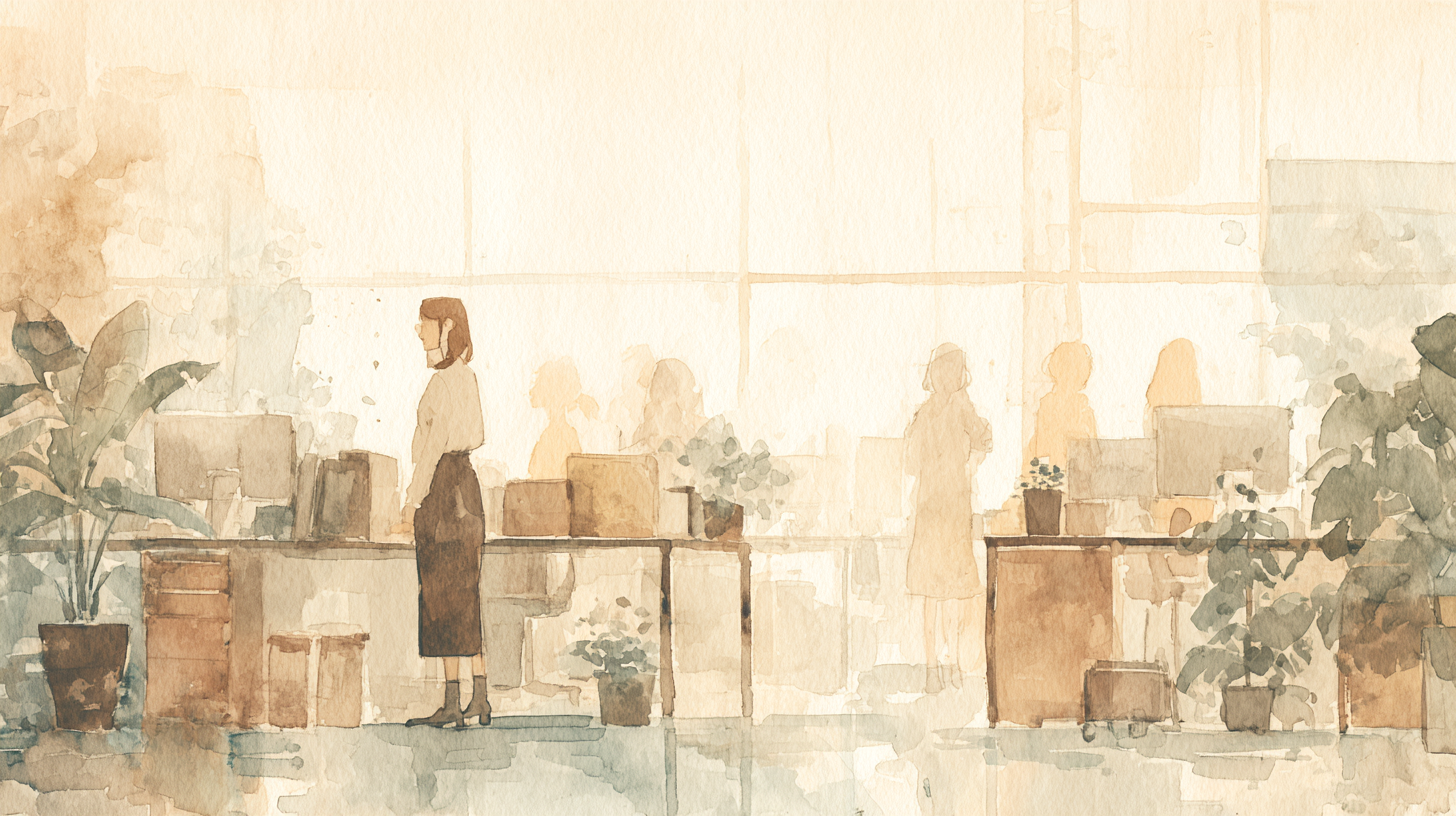
Surroundings means the things and conditions around you.
surroundings は「自分のまわりにある景色や環境、または状況」のこと。
以下は英単語 “surroundings” に関するストーリー型学習コンテンツです。まずは大枠の意味を理解して最後の文章で確認しましょう。
「surroundings」の主な意味(main meaning)
| 品詞 | 意味(簡潔な英語定義) | 例文(英語) | 発音記号(IPA) |
|---|---|---|---|
| noun | the environment and things around a person or place | The park’s surroundings were quiet and green. | /səˈraʊndɪŋz/ |
| noun | the situation and conditions that influence an event | Under the circumstances and surroundings, we postponed the meeting. | /səˈraʊndɪŋz/ |
「surroundings」の語源(etymology)
surroundings は「round(まわり)」を中心に、「周りを囲む」という感覚から来ています。
核となるイメージは「自分をぐるっと囲んでいるもの全部」です。場所なら景色や建物、人なら環境や雰囲気、出来事なら状況まで含みます。
「surroundings」の類義語(synonyms)
| 類義語 | 基本的な意味 | 指定単語とのニュアンスの違い | 英語例文 |
|---|---|---|---|
| environment | 環境 | surroundings は「見える周りのもの」寄り。environment は「自然や社会の環境」など広く、長い影響を言いやすい。 | We should protect the environment for the future. |
| setting | 場面、舞台 | setting は「物語や出来事の舞台設定」。surroundings は「その場の周りのもの」。 | The setting of the film is a small town. |
| atmosphere | 雰囲気 | atmosphere は「空気感、気分」。surroundings は「物や環境そのもの」。 | The cafe has a warm atmosphere. |
| context | 文脈、状況 | context は「理解のための背景情報」。surroundings は「周囲の状況全体」だが、物理的な周りも含む。 | In this context, his comment makes sense. |
| vicinity | 近所、周辺 | vicinity は「近い範囲」。surroundings は「周りの環境全体」で、近さより全体像。 | There are no shops in the vicinity. |
「surroundings」の反義語(antonyms)
| 反義語 | 基本的な意味 | 英語例文 |
|---|---|---|
| isolation | 孤立 | Working in isolation can reduce creativity. |
| emptiness | 何もない状態 | The room felt like emptiness after everyone left. |
「surroundings」のコロケーション(collocations)
| コロケーション | 意味 | 英語例文 |
|---|---|---|
| familiar surroundings | 慣れた環境 | She relaxes in familiar surroundings. |
| new surroundings | 新しい環境 | He adapted quickly to his new surroundings. |
| natural surroundings | 自然の環境 | The hotel blends into the natural surroundings. |
| unpleasant surroundings | 不快な環境 | They had to work in unpleasant surroundings. |
| adjust to the surroundings | 周囲に慣れる | It took me a week to adjust to the surroundings. |
「surroundings」の2項表現(binomials)
| 2項表現 | 意味の感覚 | 英語例文 |
|---|---|---|
| peace and quiet | 静けさ | I need some peace and quiet to focus. |
| safe and sound | 無事に | The package arrived safe and sound. |
| now and then | 時々 | I go for a walk now and then. |
英語ストーリー(english story)
On Monday morning, Aya stepped into the new office and paused for a second. Everything felt different. The ceiling lights were brighter, the desks were arranged in long rows, and the air smelled faintly of coffee and new paint. She took a slow breath and tried to read the surroundings.
She had transferred from a small branch where everyone knew each other. There, the familiar surroundings made her feel calm, even on busy days. But here, the new surroundings were full of unfamiliar faces and quiet footsteps. She reminded herself that change was not the same as danger. Still, she felt a small sense of isolation, as if she were standing on an island while the team moved like a single group.
At the reception desk, a man with a neat haircut looked up and smiled. “You must be Aya. I’m Sato from HR. Welcome. How are you finding the setting so far?”
“The setting is nice,” Aya said, choosing her words carefully. “It’s just… different.”
Sato nodded as if he understood. “That’s normal. Give yourself time to adjust to the surroundings. Also, if you need anything, let me know.”
Aya followed him to her team’s area. The atmosphere was calm but serious. People spoke in low voices, and keyboards clicked like light rain. Sato introduced her to her manager, Ms. Tanaka, who stood up immediately.
“Aya, we’re glad you’re here,” Ms. Tanaka said. “Your experience will help us. Today, we’ll keep it simple. Take a look at our workflow, and now and then ask questions if something is unclear.”
Aya sat down at her assigned desk. She opened her laptop and tried to focus, but the unpleasant surroundings of her own nervous thoughts kept pulling her attention away. She felt her heart beat faster whenever someone walked behind her chair. She missed the peace and quiet of her old office, where the sounds were familiar and predictable.
Around noon, Ms. Tanaka invited Aya to lunch with the team. They went to a small restaurant nearby. The vicinity was busy, filled with office workers, but the place had a warm atmosphere. As they ate, the team talked about projects and deadlines, and also about weekend plans. Aya listened more than she spoke, trying to understand the context of each conversation. She noticed small things: who joked with whom, who spoke directly, and who preferred careful wording.
After lunch, Ms. Tanaka walked back with Aya. “How are you doing?” she asked.
“I’m okay,” Aya said. “I’m just worried I’ll make mistakes because I don’t know the surroundings yet.”
Ms. Tanaka smiled. “Mistakes happen. What matters is how we respond. And your surroundings are not only the office. It’s also the people who support you. If you feel isolated, tell me.”
That afternoon, Aya was given a task: review customer feedback and summarize it for a meeting. She started reading the messages. Some were polite, some were angry, and a few were confusing. She tried to stay calm, but the emptiness of not knowing the customers’ full stories made the comments feel sharp.
When she finished her draft, she sent it to Ms. Tanaka. Ten minutes later, Ms. Tanaka came to her desk. “This is good,” she said. “But let’s add a short note about the environment around the customers, like delivery delays and regional issues. That will make the summary fair.”
Aya realized something then. “So the surroundings can change the meaning of the feedback,” she said.
“Exactly,” Ms. Tanaka replied. “The surroundings and the context matter.”
Near the end of the day, the office suddenly went dark. A power outage. A few people gasped, and someone’s phone flashed a light. For a moment, Aya felt panic rise. Without the lights and screens, the office seemed unfamiliar again, like a different place.
Ms. Tanaka spoke clearly. “Everyone, stay calm. We have emergency lights in the cabinet. We’ll be fine.”
The team moved together, checking each area and guiding others. Aya followed, helping where she could. In the dim light, she saw how people acted under pressure. The atmosphere changed from quiet to focused, but not fearful. The surroundings were darker, yet the team felt safe and sound.
After twenty minutes, the lights returned. A small cheer spread across the room. Aya sat back down, surprised by how relieved she felt.
Ms. Tanaka stopped by once more. “You handled that well,” she said.
Aya looked around. The desks, the lights, the people, the steady rhythm of work. It no longer felt like isolation. It felt like a place she could belong to.
“Thank you,” Aya said. “I think I’m starting to understand these surroundings.”
和訳
月曜の朝、彩は新しいオフィスに入ると、少しの間立ち止まった。すべてが違って感じた。天井の明かりは明るく、机は長い列に並び、空気にはコーヒーと新しいペンキの匂いがかすかに混じっていた。彩はゆっくり息をして、周囲の環境(surroundings:周りの環境や状況)を読み取ろうとした。
彩は小さな支店から異動してきた。そこでは皆がお互いを知っていて、慣れた環境(familiar surroundings:慣れた環境)が忙しい日でも心を落ち着かせてくれた。だがここでは、新しい環境(new surroundings:新しい環境)に知らない顔が多く、足音も静かだった。彩は「変化は危険と同じではない」と自分に言い聞かせた。それでも、孤立(isolation:孤立)しているような小さな感覚があった。まるで自分だけが島にいて、チームは一つの集団として動いているようだった。
受付で、きちんとした髪形の男性が顔を上げて微笑んだ。「あなたが彩さんですね。人事の佐藤です。ようこそ。今の職場の舞台(setting:場面、舞台)はどうですか」
「舞台はいいです」と彩は慎重に言葉を選んだ。「ただ……違います」
佐藤はうなずいた。「普通ですよ。周囲に慣れる(adjust to the surroundings:周囲に慣れる)時間を取ってください。必要なら声をかけてください」
彩は案内されてチームの席に行った。雰囲気(atmosphere:雰囲気)は落ち着いているが真剣だった。低い声の会話と、軽い雨のようなキーボード音が続いていた。佐藤は彩を上司の田中さんに紹介し、田中さんはすぐ立ち上がった。
「彩さん、来てくれてうれしいです。あなたの経験は助けになります。今日は簡単にいきましょう。作業の流れを見て、時々(now and then:時々)分からないことがあれば質問してください」
彩は自分の席に座り、パソコンを開いた。集中しようとしたが、緊張という不快な環境(unpleasant surroundings:不快な環境)が注意を引っ張った。誰かが椅子の後ろを通るたびに心臓が速く打った。以前の職場の静けさ(peace and quiet:静けさ)が恋しかった。そこでは音が慣れていて予測できた。
昼ごろ、田中さんがチームとの昼食に彩を誘った。近くの小さな店に行くと、周辺(vicinity:近所、周辺)は会社員でにぎやかだったが、その店の雰囲気(atmosphere:雰囲気)は温かかった。食事をしながら、チームは案件や締切、そして週末の予定も話した。彩は話すより聞くことが多く、会話の背景(context:文脈、状況)を理解しようとした。誰が誰に冗談を言うか、誰がはっきり話すか、誰が言葉を慎重に選ぶかといった小さな点に気づいた。
昼食後、田中さんは彩と一緒に戻った。「どう?」と田中さんが聞いた。
「大丈夫です」と彩は言った。「ただ、まだ周囲(surroundings:周りの環境や状況)が分からないので、間違えそうで心配です」
田中さんは微笑んだ。「間違いは起こるよ。大事なのはどう対応するか。あと、あなたの周囲(surroundings:周りの環境や状況)はオフィスだけじゃない。支えてくれる人も含む。孤立(isolation:孤立)していると感じたら言ってね」
その午後、彩は仕事を任された。顧客の声を読み、会議用に要約することだ。メッセージには丁寧なものもあれば、怒っているものもあり、分かりにくいものもあった。彩は落ち着こうとしたが、背景が分からない空っぽさ(emptiness:何もない状態)があり、言葉が刺さるように感じた。
下書きを終えて田中さんに送ると、10分後に田中さんが席に来た。「いいね」と言った。「でも、配送遅れや地域の事情みたいに、お客様を取り巻く環境(environment:環境)も短く入れよう。それで要約が公平になる」
彩はその時気づいた。「周囲(surroundings:周りの環境や状況)で、感想の意味が変わるんですね」
「その通り」と田中さんは答えた。「周囲(surroundings:周りの環境や状況)と背景(context:文脈、状況)が大事」
終業間際、突然オフィスが暗くなった。停電だ。誰かが息をのみ、別の誰かのスマホが光った。一瞬、彩は不安にのまれそうになった。明かりと画面がないと、ここはまた知らない場所のように感じた。
田中さんがはっきり言った。「みんな落ち着いて。非常灯は棚にある。大丈夫」
チームは一緒に動き、各場所を確認し、人を案内した。彩もついて行き、できることを手伝った。薄暗い中で、彩は緊張した時の人の動きを見た。雰囲気(atmosphere:雰囲気)は静かから集中へ変わったが、怖さはなかった。周囲(surroundings:周りの環境や状況)は暗いのに、チームは無事に(safe and sound:無事に)動いていた。
20分後、明かりが戻った。小さな歓声が広がった。彩は席に戻り、自分がどれほど安心したかに驚いた。
田中さんがもう一度寄った。「よく対応したね」
彩は周りを見渡した。机、明かり、人々、一定の仕事のリズム。もう孤立(isolation:孤立)には感じなかった。ここは、居場所になり得る場所だった。
「ありがとうございます」と彩は言った。「この周囲(surroundings:周りの環境や状況)が分かってきた気がします」
「surroundings」のQ&A
- Qsurroundings はどんな意味ですか
- A
surroundings は自分のまわりにある景色や環境、または状況のことです
- Qsurroundings と environment の違いは何ですか
- A
surroundings は周りのもの全体で、environment は自然や社会など広い環境を言いやすいです
- Qsurroundings と setting の違いは何ですか
- A
setting は出来事の舞台や場面のことが多く、surroundings はその場を取り囲む周りのものです
- Qsurroundings と atmosphere の違いは何ですか
- A
atmosphere は雰囲気や空気感で、surroundings は見えるものや環境そのものを指します
- Qsurroundings と context はどう使い分けますか
- A
context は理解のための背景情報で、surroundings は周囲の状況全体や周りの環境を指します
- Qsurroundings と vicinity の違いは何ですか
- A
vicinity は近所や近い範囲で、surroundings は周りの環境全体を言えます
- Qfamiliar surroundings はどんな場面で使いますか
- A
familiar surroundings は慣れた場所や慣れた環境で落ち着く場面で使います
- Qadjust to the surroundings はどういう意味ですか
- A
adjust to the surroundings は新しい場所や状況に慣れるという意味です
- Qsurroundings の反対の意味に近い単語は何ですか
- A
isolation は孤立で surroundings と反対方向のイメージになり、emptiness は何もない感じを表せます
- Qpeace and quiet は surroundings と一緒に使えますか
- A
peace and quiet は静けさの意味で、落ち着いた surroundings を説明するときに一緒に使えます


コメント