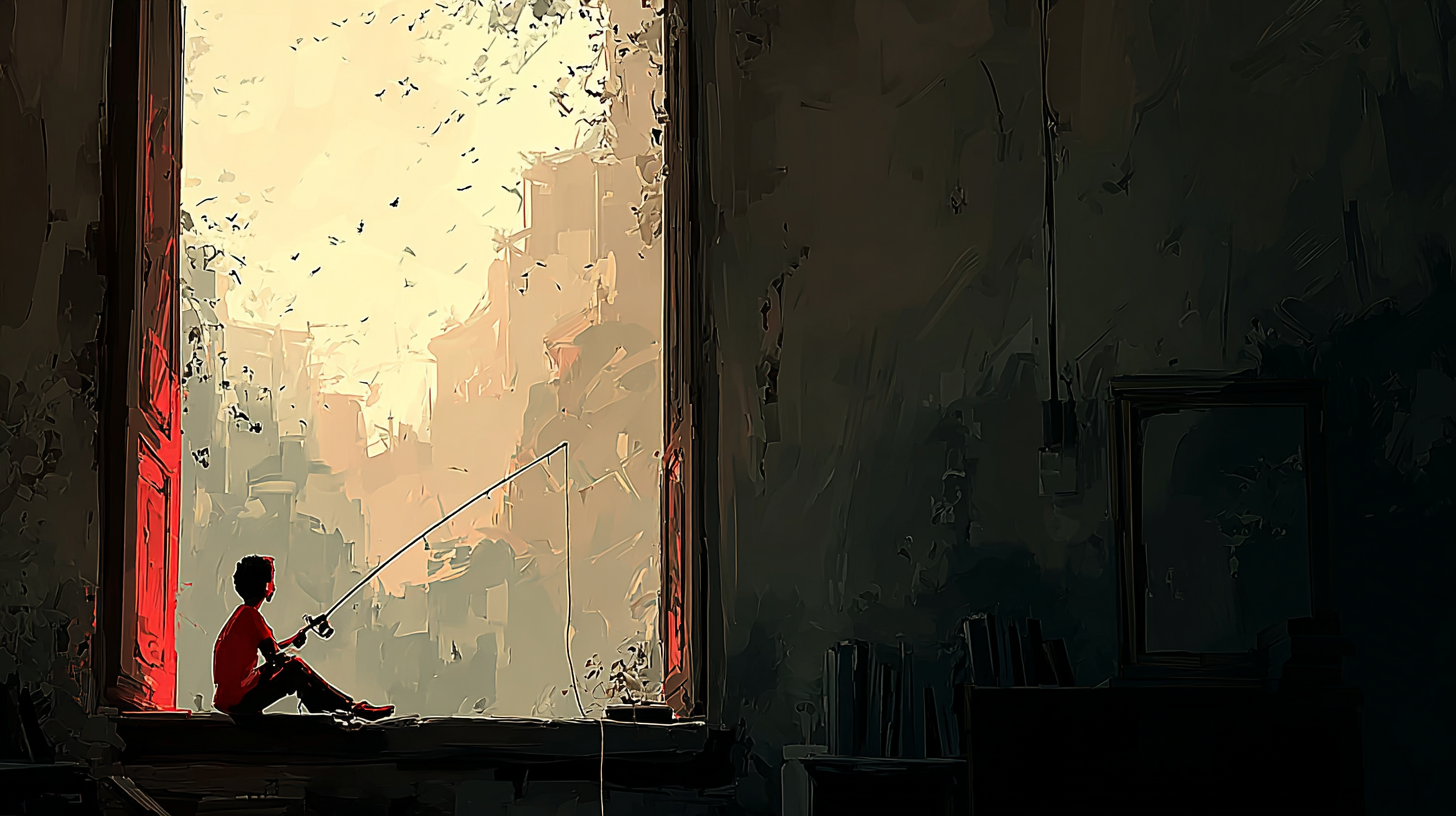
A pastime is something you do for fun in your free time.
pastimeは、ひまな時間に楽しむためにすることです。
以下は英単語 “pastime” に関するストーリー型学習コンテンツです。まずは大枠の意味を理解して最後の文章で確認しましょう。
「pastime」の主な意味(main meaning)
| 品詞 | 意味 | 英語定義(簡潔) | 例文(1文) | 発音記号(IPA) |
|---|---|---|---|---|
| noun | 暇つぶしの活動、気晴らし | an activity done for enjoyment in free time | Reading is my favorite pastime after work. | /ˈpæs.taɪm/ |
「pastime」の語源(etymology)
pastime は「pass(過ごす)+ time(時間)」の組み合わせから来ています。
核のイメージは「時間を楽しく通り過ぎさせる行動」です。退屈な時間を、スッと前に進める感じです。
「pastime」の類義語(synonyms)
| 類義語 | 基本的な意味 | 指定単語とのニュアンスの違い | 英語例文 |
|---|---|---|---|
| hobby | 趣味 | pastimeより「本気で続ける好きなこと」の感じが強い | Her hobby is taking photos of sunsets. |
| recreation | 余暇の楽しみ | pastimeより「体を動かす・リフレッシュ」の雰囲気が出やすい | Swimming is good recreation on weekends. |
| amusement | 娯楽 | pastimeより「その場で笑える・楽しませる」寄り | The show provided amusement for everyone. |
| diversion | 気をそらすもの | pastimeより「いやなことを忘れるために注意をそらす」感じが強い | Music was a diversion during the long wait. |
| leisure activity | 余暇活動 | pastimeより「説明的でかたい言い方」になりやすい | Walking after dinner is a simple leisure activity. |
「pastime」の反義語(antonyms)
| 反義語 | 基本的な意味 | 英語例文 |
|---|---|---|
| work | 仕事 | I have to finish my work before I relax. |
| duty | 義務 | It is my duty to answer customer emails first. |
「pastime」のコロケーション(collocations)
| コロケーション | 意味 | 英語例文 |
|---|---|---|
| favorite pastime | いちばん好きな暇つぶし | Cooking is my favorite pastime these days. |
| common pastime | よくある暇つぶし | Watching short videos is a common pastime now. |
| pursue a pastime | 暇つぶし(趣味)を続ける | He pursues a pastime that helps him stay calm. |
| indoor pastime | 室内でできる暇つぶし | Puzzle games are a good indoor pastime on rainy days. |
| relaxing pastime | リラックスできる暇つぶし | Tea and a book can be a relaxing pastime. |
「pastime」の2項表現(binomials)
| 2項表現(A and B) | 意味 | 英語例文 |
|---|---|---|
| work and play | 仕事と遊び | A good life needs both work and play. |
| rest and relaxation | 休息とリラックス | After the deadline, we all needed rest and relaxation. |
| business and pleasure | 仕事と楽しみ | On that trip, he mixed business and pleasure. |
英語ストーリー(english story)
Mika worked at a small design company in the city. February was always busy, and this week was the busiest of all. The team had a big deadline on Friday, so everyone stayed focused on their work. Mika liked her job, but she also believed that a good life needs both work and play.
On Wednesday morning, Mika arrived early and found her coworker Ken staring at his screen. He looked tired.
“Are you okay?” Mika asked.
Ken gave a small smile. “I’m fine. I just feel like my brain is stuck. I answered emails all night. It’s my duty to support our clients, but I need a break.”
Mika understood. When the office got stressful, people often forgot to breathe. She opened the window a little and let fresh air in.
At lunchtime, Mika usually enjoyed a relaxing pastime. She would make a cup of tea, read a few pages of a novel, and feel her shoulders drop. Reading was her favorite pastime after work too, but even ten minutes at lunch helped.
That day, however, the office felt unusually quiet. Nobody was chatting. Nobody was laughing. Mika decided to do something small to change the mood.
She walked to the meeting room and wrote a note on the whiteboard:
“Lunch Break Corner: Share your pastime.”
Then she put a few colored pens on the table. She didn’t expect much, but she wanted to offer a diversion from the pressure.
A few minutes later, Aki from sales walked in. “What’s this?” she asked.
Mika explained, “Just for fun. A little amusement during a hard week.”
Aki laughed. “Amusement sounds good. My common pastime lately is watching short cooking clips, but I never actually cook.”
Mika handed her a pen. “Write it down.”
Soon, more people came. Ken appeared, still looking tired, but curious. He read the board and said, “I don’t really have a hobby. I only work.”
“That’s not true,” Mika said. “Everyone has something. Even a small leisure activity counts.”
Ken thought for a moment. “Okay… I sometimes do puzzle games. It’s an indoor pastime, I guess.”
“It’s perfect,” Mika said. “Write: ‘Puzzle games’.”
Ryo from IT joined next. “My hobby is running,” he said proudly. “It’s good recreation. I feel fresh after I run.”
Aki raised an eyebrow. “Running at 6 a.m.? That sounds painful.”
Ryo laughed. “At first, yes. But now it’s my way of rest and relaxation. It clears my mind.”
Mika liked the sound of that. “Recreation can be quiet too,” she said. “Mine is reading.”
Then Yuna, the newest employee, walked in carefully. She looked shy, like she wasn’t sure she belonged. Mika smiled and made space for her.
“Do you have a pastime?” Mika asked gently.
Yuna hesitated. “I draw small cartoons. It’s not serious.”
“That’s a great pastime,” Mika said. “And it can become a hobby if you pursue a pastime for a long time.”
Yuna’s eyes brightened. “Really?”
“Of course,” Mika said. “And it can even help your work. Designers need ideas.”
Ken listened quietly. Then he said, “Maybe I should find something new. I need a better diversion than scrolling news. It makes me more tired.”
Aki nodded. “Same. We need something that gives real amusement, not just noise.”
They all wrote their answers on the board. The list grew:
Reading, puzzle games, running, drawing cartoons, making coffee, watching movies, gardening, learning English.
Mika looked around the room. People were smiling. It was a small change, but it mattered.
After lunch, they returned to their desks. The deadline was still there, and their duty was still there, but the atmosphere felt lighter. Ken started typing again, faster than before.
Later that afternoon, their manager, Mr. Sato, walked by and saw the board. “What’s this?” he asked.
Mika explained the idea quickly, worried he might not like it.
But Mr. Sato smiled. “Good. Sometimes we forget that we are humans, not machines. Keep it. After Friday, I want everyone to take a full day off. Mix business and pleasure if you can.”
On Friday evening, the team finished the project on time. They clapped quietly, tired but proud. Ken turned to Mika and said, “Thank you. I’ll try to pursue a pastime, not just survive the week.”
Mika nodded. “That’s the point. A pastime doesn’t have to be big. It just has to help you pass the time in a good way.”
和訳
ミカは都心の小さなデザイン会社で働いていた。2月はいつも忙しいが、今週は特に忙しかった。金曜日に大きな締め切りがあり、みんな仕事(work: 仕事)に集中していた。ミカは仕事が好きだったが、良い生活には仕事と遊び(work and play: 仕事と遊び)の両方が必要だとも思っていた。
水曜日の朝、ミカが早く来ると、同僚のケンが画面を見つめていた。彼は疲れて見えた。
「大丈夫?」とミカは聞いた。
ケンは小さく笑った。「大丈夫。頭が止まった感じがする。昨夜ずっとメールを返してた。クライアントを支えるのは義務(duty: 義務)だけど、休憩が必要だよ。」
ミカはうなずいた。職場がストレスでいっぱいになると、人は息をすることさえ忘れてしまう。彼女は窓を少し開けて、新鮮な空気を入れた。
昼休み、ミカはたいていリラックスできる暇つぶし(relaxing pastime: リラックスできる暇つぶし)を楽しんでいた。お茶を入れて小説を少し読み、肩の力が抜けるのを感じる。読書は仕事の後のいちばん好きな暇つぶし(favorite pastime: いちばん好きな暇つぶし)でもあり、昼に10分でも効果があった。
しかしその日は、オフィスが異様に静かだった。誰も話していないし、誰も笑っていない。ミカは空気を変えるために、小さなことをしてみようと決めた。
彼女は会議室へ行き、ホワイトボードにこう書いた。
「昼休みコーナー:あなたの暇つぶし(pastime)を共有しよう」
そして、色ペンを何本か机に置いた。大きな期待はしていなかったが、プレッシャーから気をそらすもの(diversion: 気をそらすもの)を用意したかった。
数分後、営業のアキが入ってきた。「これ、なに?」と聞いた。
ミカは言った。「ただの遊び。大変な週だから、ちょっとした娯楽(amusement: 娯楽)になればと思って。」
アキは笑った。「娯楽いいね。最近のよくある暇つぶし(common pastime: よくある暇つぶし)は料理の短い動画を見ること。でも実際は料理しないんだよね。」
ミカはペンを渡した。「書いてみて。」
やがて他の人も来た。ケンも現れ、まだ疲れた顔だったが興味はありそうだった。ボードを見て言った。「僕には趣味(hobby: 趣味)がないよ。仕事ばっかり。」
「そんなことないよ」とミカは言った。「誰でも何かある。小さな余暇活動(leisure activity: 余暇活動)でもいいんだよ。」
ケンは少し考えた。「じゃあ…パズルゲームかな。室内でできる暇つぶし(indoor pastime: 室内でできる暇つぶし)って感じ。」
「それで十分」とミカは言った。「『パズルゲーム』って書いて。」
次にITのリョウが入ってきた。「僕の趣味(hobby: 趣味)はランニング」と誇らしげに言った。「いい余暇の楽しみ(recreation: 余暇の楽しみ)だよ。走ると気分がすっきりする。」
アキは眉を上げた。「朝6時に走るの?それはきつそう。」
リョウは笑った。「最初はね。でも今は休息とリラックス(rest and relaxation: 休息とリラックス)みたいなもの。頭が整理される。」
ミカはその言い方が気に入った。「余暇の楽しみ(recreation: 余暇の楽しみ)は静かなものでもいいよ」と彼女は言った。「私は読書。」
そこへ新入社員のユナが、恐る恐る入ってきた。場違いに感じているように見えた。ミカは笑って席を空けた。
「暇つぶし(pastime)はある?」とミカは優しく聞いた。
ユナはためらった。「小さな漫画を描くの。真剣じゃないけど。」
「すてきな暇つぶし(pastime)だよ」とミカは言った。「長く続けて暇つぶしを続ける(pursue a pastime: 暇つぶしを続ける)なら、趣味(hobby: 趣味)にもなる。」
ユナの目が明るくなった。「本当ですか?」
「もちろん」とミカは言った。「それに仕事にも役立つよ。デザイナーにはアイデアが必要だから。」
ケンは静かに聞いていたが、言った。「僕も何か新しいことを見つけたい。ニュースをだらだら見るより、もっといい気をそらすもの(diversion: 気をそらすもの)が必要だ。あれは逆に疲れる。」
アキもうなずいた。「わかる。私たちには、本当に楽しくなる娯楽(amusement: 娯楽)が必要。雑音じゃなくて。」
みんながボードに書いていった。リストは増えた。
読書、パズルゲーム、ランニング、漫画を描くこと、コーヒーを淹れること、映画を見ること、園芸、英語学習。
ミカが見回すと、みんなが笑っていた。小さな変化だが、大事だった。
昼休みの後、彼らは席に戻った。締め切りも、義務(duty: 義務)も消えないが、空気は軽くなった。ケンはさっきより速く打ち始めた。
その日の午後、上司の佐藤さんが通りかかり、ボードを見た。「これは何?」と聞いた。
ミカは、怒られるかもしれないと思いながら簡単に説明した。
しかし佐藤さんは笑った。「いいね。私たちは時々、人間であることを忘れて、機械みたいになる。続けていいよ。金曜が終わったら、全員まる1日休もう。できるなら仕事と楽しみ(business and pleasure: 仕事と楽しみ)をうまく混ぜるといい。」
金曜日の夜、チームは時間通りにプロジェクトを終えた。疲れていたが誇らしく、静かに拍手した。ケンはミカに向かって言った。「ありがとう。僕も暇つぶしを続ける(pursue a pastime: 暇つぶしを続ける)ようにしてみる。ただ1週間を生き延びるだけじゃなくて。」
ミカはうなずいた。「それが大事。暇つぶし(pastime)は大きい必要はない。良い形で時間を過ごせればいいんだよ。」
「pastime」のQ&A
- Qpastimeはどんな意味ですか
- A
pastimeは自由な時間に楽しむためにする暇つぶしの活動です
- Qpastimeとhobbyはどう違いますか
- A
hobbyは長く続ける本気の趣味の感じが強く、pastimeはもっと気軽な暇つぶしでも使えます
- Qpastimeは勉強にも使えますか
- A
使えます。英語学習や読書などもpastimeと言えます
- Qpastimeは楽しいことだけに使いますか
- A
たいてい楽しいことですが、diversionのように気分転換として使う場合もあります
- Qpastimeの反対の意味の言葉は何ですか
- A
workやdutyが反対の意味としてよく使われます
- Qfavorite pastimeはどういう意味ですか
- A
favorite pastimeは「いちばん好きな暇つぶし」という意味です
- Qcommon pastimeはどんなときに使いますか
- A
common pastimeは多くの人がよくしている暇つぶしを言うときに使います
- Qpursue a pastimeはどういうニュアンスですか
- A
pursue a pastimeは暇つぶしや趣味を続けて取り組む感じを表します
- Qindoor pastimeはどんな例がありますか
- A
パズル、読書、映画、ゲームなど家の中でできる活動がindoor pastimeの例です
- Qwork and playはどんな場面で使いますか
- A
仕事と遊びのバランスを話すときにwork and playをよく使います


コメント