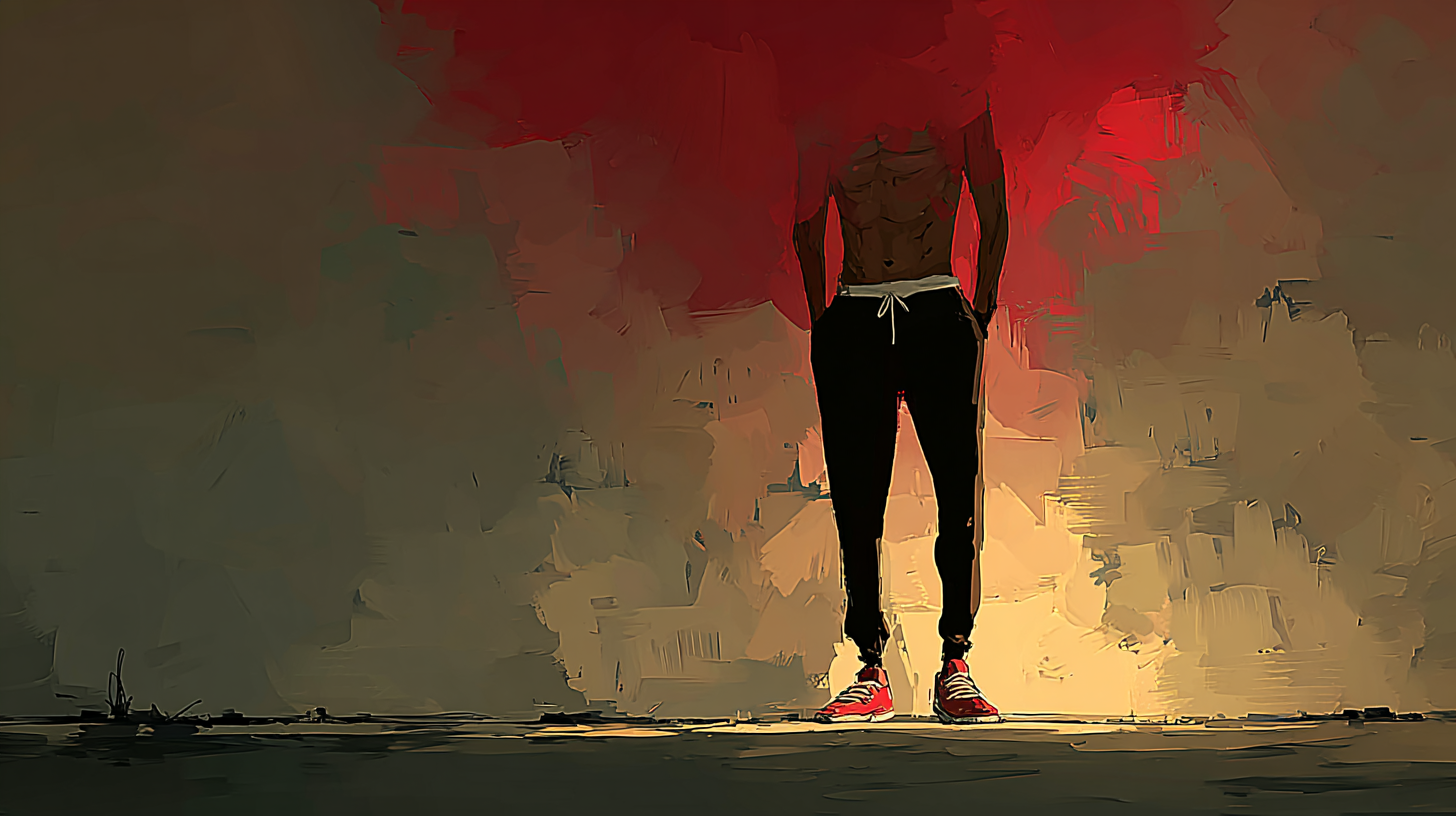
Pants means trousers, and it can also mean breathing fast after hard exercise.
pants は「ズボン」のこと。走ったあとなどに「ハァハァ息をする」という動詞にもなる。
以下は英単語 “pants” に関するストーリー型学習コンテンツです。まずは大枠の意味を理解して最後の文章で確認しましょう。
「pants」の主な意味(main meaning)
| 品詞 | 主要な意味 | 英語定義 | 例文 | 発音記号(IPA) |
|---|---|---|---|---|
| noun | ズボン | trousers worn on the legs | I bought new pants for work. | /pænts/ |
| verb | あえぐように息をする | to breathe quickly and loudly | He pants after running up the stairs. | /pænts/ |
「pants」の語源(etymology)
pants はもともと Pantaloons という長ズボンの呼び名から広まった言葉です。
核となるイメージは「足を入れてはく、仕事や外出の基本の服」です。
「pants」の類義語(synonyms)
| 類義語 | 基本的な意味 | 指定単語とのニュアンスの違い | 英語例文 |
|---|---|---|---|
| trousers | ズボン | pants より少しフォーマルで、特にイギリス英語でよく使う | He wore black trousers to the meeting. |
| slacks | きれいめのズボン | 仕事向けの上品なズボンという感じが強い | Her slacks matched her blazer. |
| jeans | ジーンズ | 丈夫なデニム素材のカジュアルなズボン | I can wear jeans on casual Friday. |
| chinos | チノパン | きれいめ寄りのカジュアルで、仕事でも使いやすい | He chose chinos instead of jeans. |
| shorts | 半ズボン | 丈が短い。暑い日や運動で使う | He changed into shorts after work. |
「pants」の反義語(antonyms)
| 反義語 | 意味 | 英語例文 |
|---|---|---|
| skirt | スカート | She wore a skirt to the office party. |
| dress | ワンピース | She picked a dress for the formal dinner. |
「pants」のコロケーション(collocations)
| コロケーション | 意味 | 英語例文 |
|---|---|---|
| wear pants | ズボンをはく | We have to wear pants in the lab for safety. |
| put on pants | ズボンをはく(動作) | I put on pants quickly because I was late. |
| a pair of pants | ズボン1本 | I need a pair of pants that fits well. |
| pants pocket | ズボンのポケット | My key was in my pants pocket. |
| pants size | ズボンのサイズ | He checked his pants size before ordering online. |
「pants」の2項表現(binomials)
| 2項表現 | 意味 | 英語例文 |
|---|---|---|
| shirt and pants | シャツとズボン | For the interview, he chose a simple shirt and pants. |
| pants and jacket | ズボンとジャケット | The dress code was pants and jacket, not a full suit. |
英語ストーリー(english story)
On Monday morning, our office was unusually busy because a big client was coming for a product demo. I arrived early to set up the meeting room, but I could already hear people talking about the dress code.
Our manager, Ms. Kato, stood near the coffee machine and said, “Everyone, please look neat today. The client is important.” She did not say “wear a suit,” but everyone understood the message. I looked down at my own outfit and felt relieved. I had chosen dark pants and a clean white shirt. It was a simple shirt and pants combination, but it usually worked.
Then I saw my coworker, Sota, rushing in. He was breathing hard and made a loud sound like he was out of air. He pants after running from the station, and his face was red. “I overslept,” he said. “I ran the whole way.”
Sota went straight to his desk and opened his drawer. “Please tell me I have an extra pair of pants here,” he murmured. He pulled out something, looked at it, and groaned. “These are my old jeans. They are comfortable, but they look too casual.”
“Do you have slacks?” I asked.
“I used to,” he said, “but I spilled coffee on them last week.” He pointed to a stain on a paper bag under his desk. “I thought I washed them, but the mark stayed. Now they look terrible.”
The meeting was in less than an hour. Ms. Kato walked by and noticed Sota’s worry. “What’s wrong?” she asked.
Sota stood up and tried to smile. “Nothing. I’m fine.”
But his jeans were clearly faded, and his belt was worn. Ms. Kato did not get angry, but her eyes became serious. “Today is not a casual day,” she said quietly. “If you don’t have proper pants, go to the nearby store. Buy trousers or chinos, something simple.”
Sota looked shocked. “Right now?”
“Yes,” she answered. “I will cover your tasks for a short time. Hurry.”
Sota grabbed his wallet, but he still looked embarrassed. “I’m sorry,” he said.
I decided to help him. “I’ll go with you,” I said. “I know a store that opens early.”
We walked quickly to the shopping street. On the way, Sota kept checking his phone. He was still slightly out of breath, and he pants again after crossing a long staircase. “This day is already terrible,” he said.
“It’s not terrible,” I replied. “It’s just Monday.”
At the store, a clerk asked, “What are you looking for?”
“Work pants,” I said. “Something not too expensive, but neat.”
The clerk nodded and showed us several options. “These slacks are popular,” she said. “And these chinos are easy to match.”
Sota touched the fabric and frowned. “I never know my pants size,” he admitted.
“Try this,” the clerk said, handing him two pairs. While Sota went to the fitting room, I looked around and noticed a sign that said, “Skirt and dress section upstairs.” It reminded me how strict some offices were about clothing, but our office was more flexible as long as you looked professional.
Sota came out wearing navy chinos. “How do I look?” he asked.
“Much better,” I said. “They fit well.”
He checked the pants pocket and smiled. “The pockets are deep. My phone won’t fall out.”
He bought the chinos and changed back into them after paying. “I’ll put on pants like this every time we meet clients,” he said, half joking, half serious.
Back at the office, we arrived just in time. Ms. Kato looked at Sota and gave a small nod. “Good choice,” she said. “Now let’s focus.”
The client arrived, and the demo began. Sota spoke clearly and confidently. He did not look nervous anymore. During the break, he whispered to me, “Thanks. If you hadn’t come, I would have shown up in jeans and made a bad impression.”
I whispered back, “Next time, keep an extra pair of pants at home, not in a drawer.”
After the meeting, Ms. Kato called us over. “You handled that well,” she said. “Today’s lesson is simple: clothing is communication. Pants and jacket, shirt and pants, it all sends a message. You don’t need to be perfect, but you should be prepared.”
Sota laughed softly. “Prepared. I’ll remember.”
On the way home, Sota said, “I thought clothes were a small thing. But today I learned they can affect the whole team.”
“That’s true,” I said. “And also, try not to run so much. You were panting all morning.”
He smiled. “I’ll wake up earlier. Then I won’t pants like that again.”
和訳
月曜日の朝、私たちのオフィスは大事な取引先が製品デモに来るので、いつもより忙しかった。私は会議室の準備のため早めに着いたが、すでに服装の話題が聞こえていた。
マネージャーの加藤さんはコーヒーマシンの近くで「今日は身だしなみを整えてね。大事なお客さまだから」と言った。スーツとまでは言わないが、意味は伝わった。私は自分の服を見て少し安心した。私は濃い色の pants(pants:ズボン)と白いシャツを選んでいた。シンプルな shirt and pants(shirt and pants:シャツとズボン)だが、たいていこれで十分だ。
そのとき同僚の壮太が駆け込んできた。息が苦しそうで、空気が足りないような音がした。彼は駅から走ってきて、pants(pants:ハァハァ息をする)状態だった。顔も赤い。「寝坊した。駅からずっと走った」と言った。
壮太はすぐ机に向かい、引き出しを開けた。「ここに予備の a pair of pants(a pair of pants:ズボン1本)があるって言ってくれ」とつぶやいた。何かを取り出して見た瞬間、うめいた。「古い jeans(jeans:ジーンズ)だ。楽だけど、今日はカジュアルすぎる。」
「slacks(slacks:きれいめのズボン)はないの?」と私は聞いた。
「前はあったけど、先週コーヒーをこぼした」と彼は言い、机の下の紙袋を指した。「洗ったつもりでもシミが残って、ひどい見た目なんだ。」
会議まで1時間もない。加藤さんが通りかかって壮太の様子に気づいた。「どうしたの?」と聞いた。
壮太は立ち上がり、無理に笑って「何でもありません」と言った。
だが彼の jeans(jeans:ジーンズ)は色あせていて、ベルトも使い古していた。加藤さんは怒らなかったが、目が真剣になった。「今日はカジュアルの日じゃない。ちゃんとした pants(pants:ズボン)がないなら、近くの店へ行って。trousers(trousers:ズボン)か chinos(chinos:チノパン)みたいな、シンプルなものを買ってきて。」
壮太は驚いた。「今から?」
「そう。少しの間、あなたの仕事は私が見る。急いで」と加藤さんは言った。
壮太は財布をつかんだが、まだ恥ずかしそうだった。「すみません」と言う。
私は助けようと思った。「一緒に行こう。朝から開いている店を知ってる」と言った。
私たちは商店街へ早足で向かった。途中、壮太は何度もスマホを見た。まだ少し息が荒く、長い階段を上がったあとまた pants(pants:ハァハァ息をする)になった。「もう最悪の一日だ」と言う。
「最悪じゃない。ただの月曜だよ」と私は返した。
店に入ると店員が「何をお探しですか?」と聞いた。
「仕事用の pants(pants:ズボン)です。高すぎず、きちんと見えるもの」と私は言った。
店員はうなずき、いくつか見せてくれた。「この slacks(slacks:きれいめのズボン)が人気です。こちらの chinos(chinos:チノパン)も合わせやすいです。」
壮太は生地を触って顔をしかめた。「自分の pants size(pants size:ズボンのサイズ)がいつも分からないんだ。」
店員は「これを試してみてください」と2本渡した。壮太が試着室へ行っている間、私は周りを見て、上の階に skirt(skirt:スカート)と dress(dress:ワンピース)のコーナーという表示を見つけた。服装に厳しい職場もあるが、うちの会社は清潔で仕事らしければ柔軟だと思った。
壮太が紺の chinos(chinos:チノパン)をはいて出てきた。「どう?」と聞く。
「ずっといいよ。サイズも合ってる」と私は言った。
彼は pants pocket(pants pocket:ズボンのポケット)を確認して笑った。「ポケットが深い。スマホが落ちない。」
彼は購入して、そのまま着替えた。「取引先に会うときは、こういう put on pants(put on pants:ズボンをはく)を毎回やるよ」と冗談半分で言った。
オフィスに戻ると、ぎりぎり間に合った。加藤さんは壮太を見て小さくうなずいた。「いい選択ね。じゃあ集中しよう。」
取引先が到着し、デモが始まった。壮太ははっきり自信を持って話した。もう緊張していないようだった。休憩中、彼は小声で「ありがとう。君が一緒に来てくれなかったら、jeans(jeans:ジーンズ)のまま来て悪い印象になってた」と言った。
私は「次は引き出しじゃなく家に予備の a pair of pants(a pair of pants:ズボン1本)を置こう」と返した。
会議後、加藤さんが私たちを呼んだ。「よく対応したね。今日の学びは簡単。服装はコミュニケーションよ。pants and jacket(pants and jacket:ズボンとジャケット)や shirt and pants(shirt and pants:シャツとズボン)、どれもメッセージになる。完璧でなくていいけど、準備はしておくこと。」
壮太は小さく笑った。「準備。覚えます。」
帰り道、壮太は「服は小さなことだと思ってた。でも今日は、チーム全体に影響するって分かった」と言った。
「そうだね。それと走りすぎないで。朝ずっと pants(pants:ハァハァ息をする)だったよ」と私は言った。
彼は笑って「もっと早く起きる。そうしたら、もうあんなふうに pants(pants:ハァハァ息をする)にならない」と言った。
「pants」のQ&A
- Qpants の基本の意味は何ですか
- A
pants はふつう「ズボン」の意味です。
- Qpants は単数形で使えますか
- A
pants は形が複数形ですが、1本のズボンでも pants と言います。
- Qtrousers と pants はどう違いますか
- A
trousers は pants より少しフォーマルで、特にイギリス英語でよく出ます。
- Qslacks はどんな場面で使いますか
- A
slacks は仕事向けのきれいめなズボンを言うことが多いです。
- Qjeans と pants のニュアンスの違いは何ですか
- A
jeans はデニムのカジュアルなズボンで、pants はもっと広い言い方です。
- Qchinos はどんなズボンですか
- A
chinos はチノ素材のズボンで、きれいめにもカジュアルにも使えます。
- Qpants の反対の服として skirt や dress を使うのはなぜですか
- A
ズボンではなくスカートやワンピースを選ぶ服の対比として skirt や dress を出せます。
- Qa pair of pants はどういう意味ですか
- A
a pair of pants は「ズボン1本」という数え方です。
- Qwear pants と put on pants の違いは何ですか
- A
wear pants は着た状態で「はいている」、put on pants は動作で「はく」です。
- Qshirt and pants と pants and jacket はどんなときに使いますか
- A
面接などで上下をセットで言いたいときに shirt and pants や pants and jacket を使います。


コメント