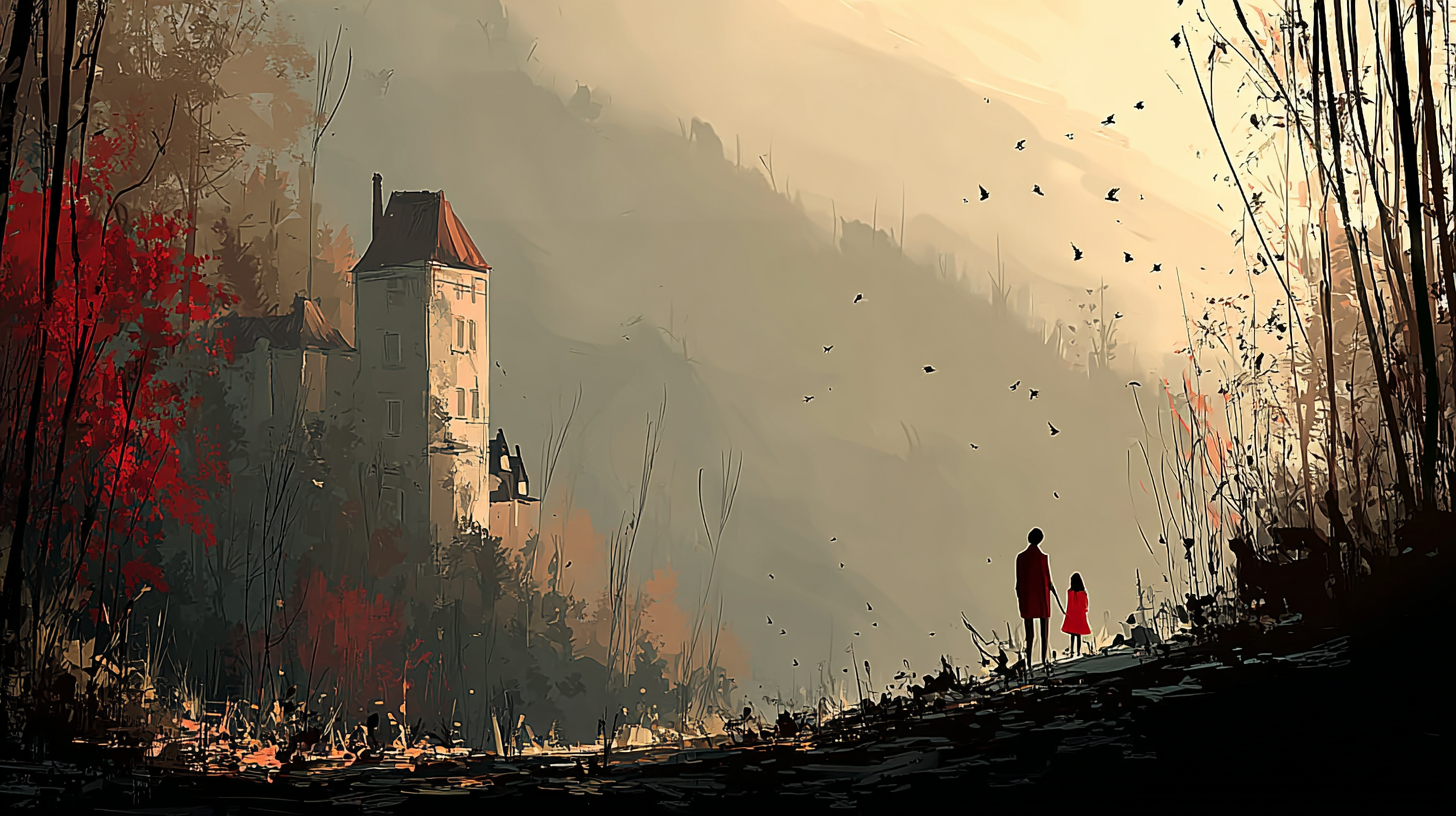
A fairy tale is a magic story, or something that feels unreal and beautiful.
fairy tale は、魔法や不思議が出てくる作り話の童話や、現実ばなれしたすてきな出来事のこと。
以下は英単語 “fairy tale” に関するストーリー型学習コンテンツです。まずは大枠の意味を理解して最後の文章で確認しましょう。
「fairy tale」の主な意味(main meaning)
| 品詞 | Meaning | 英語定義(簡潔) | 例文(1文) | 発音記号(IPA) |
|---|---|---|---|---|
| noun | おとぎ話 童話 | a traditional story with magic, fairies, and unreal events | My grandmother told me a fairy tale before bed. | /ˈferi teɪl/ |
| adjective | おとぎ話のような 夢みたいな | unreal but beautiful, like a story with magic | They had a fairy-tale wedding by the lake. | /ˈferiˌteɪl/ |
「fairy tale」の語源(etymology)
fairy は昔のフランス語の faerie から来ていて、「妖精の世界」みたいな意味がもとです。tale は古い英語で「語られる話」です。
核のイメージは「現実では起きないのに、聞くと心に絵が浮かぶ魔法の話」です。
「fairy tale」の類義語(synonyms)
| 類義語 | 基本的な意味 | 指定単語とのニュアンスの違い | 英語例文 |
|---|---|---|---|
| fable | 教訓がある短い物語 | fairy tale は魔法や冒険が中心になりやすいが、fable は「教訓」が主役で動物が出ることも多い | The fable teaches children not to lie. |
| folk tale | 昔から伝わる民話 | fairy tale よりも、その土地の人々に語りつがれた話という感じが強い | This folk tale has been told for generations. |
| legend | 伝説 | fairy tale は完全な作り話でもよいが、legend は本当の人物や出来事が少し混ざっている感じ | The legend says a hero saved the village. |
| myth | 神話 | fairy tale は娯楽の話が多いが、myth は世界の始まりや神々の話など「由来」を説明することが多い | The myth explains why the sun rises each day. |
| bedtime story | 寝る前に読む話 | fairy tale は内容のタイプだが、bedtime story は読むタイミングを表す | Dad read a bedtime story to his son. |
「fairy tale」の反義語(antonyms)
| 反義語 | 基本的な意味 | 英語例文 |
|---|---|---|
| documentary | 記録映画 事実を伝える作品 | We watched a documentary about ocean pollution. |
| true story | 実話 | The movie is based on a true story. |
「fairy tale」のコロケーション(collocations)
| コロケーション | 意味 | 英語例文 |
|---|---|---|
| classic fairy tale | 定番のおとぎ話 | Cinderella is a classic fairy tale. |
| modern fairy tale | 現代版のおとぎ話 | The film feels like a modern fairy tale set in the city. |
| fairy-tale ending | おとぎ話みたいな結末 | They won the final game in a fairy-tale ending. |
| fairy-tale romance | 夢みたいな恋 | Their fairy-tale romance started on a rainy day. |
| fairy-tale castle | おとぎ話の城 | The hotel looks like a fairy-tale castle at night. |
「fairy tale」の2項表現(binomials)
| 2項表現 | 意味 | 英語例文 |
|---|---|---|
| fact and fiction | 事実と作り話 | The book mixes fact and fiction in an interesting way. |
| truth and lies | 真実とうそ | The meeting was about truth and lies in advertising. |
| magic and mystery | 魔法と不思議 | The new campaign is full of magic and mystery. |
英語ストーリー(english story)
Mina arrived at the office early, carrying a folder full of design ideas. The company was preparing a new ad campaign for a small travel agency, and the team needed a theme that would make people dream. When she sat down, Ken from sales leaned over her desk.
“Are we really going to sell weekend trips like they are a fairy tale?” he asked, half joking.
Mina smiled. “Not exactly. But the client wants something hopeful. People are tired. They want a break from stress.”
At the morning meeting, their manager, Ms. Sato, opened the discussion. “We have two directions,” she said. “One is a documentary style. Real customers, real interviews, a true story about why travel matters. The other is a story-based direction, more like a modern fairy tale.”
Ken raised his hand. “The documentary idea feels safer. We can show facts.”
Mina understood his point, but she also remembered the client’s message. The travel agency wanted families and couples to imagine a warm getaway, not just compare prices.
She stood up and connected her laptop to the screen. “I’d like to propose the story-based direction,” she said. “We can keep it honest, but we can also add a little magic and mystery.”
On the screen appeared a short script. It started with a tired office worker staring at a calendar. Then the worker received a simple email and suddenly noticed small, bright details in daily life: sunlight on the train window, a child laughing, a street musician playing softly. The email invited the worker to a lake town for two days.
“It is like a bedtime story for adults,” Mina explained. “The point is not to lie. The point is to remind people how it feels to hope.”
Ms. Sato nodded slowly. “But we must be careful about fact and fiction,” she said. “Advertising cannot promise the impossible.”
“That’s why the ending matters,” Mina replied. “We should not show anything unrealistic. No flying carpets. No sudden wealth. Just a calm trip that feels special. A fairy-tale ending can be simple: the worker returns on Monday with a lighter heart.”
Ken looked thoughtful. “So it is not a fairy-tale romance with a prince?”
Mina laughed. “It can include a couple, but not in a cheesy way. We can show small kindness, like someone saving a seat on the train. It’s closer to a folk tale than a fantasy movie.”
Aya from the design team pointed at the last slide. “What about visuals?” she asked.
Mina changed to a new page. “We use soft colors and one strong image,” she said. “A fairy-tale castle is too much for this client, but we can show an old lakeside hotel that looks like a classic fairy tale house at night. We can also use a line like, ‘Find your own fairy-tale ending.’”
Ms. Sato tapped her pen. “I like the idea, but some people hate exaggerated ads. They want truth and lies clearly separated.”
Mina took a breath. “Then we add real details,” she said. “Real photos of the hotel, real prices, real transport times. We can mix a short legend-like voiceover with honest information. Not a myth about perfect life, but a reminder that small changes are possible.”
Ken leaned back. “So it’s a balance. We start with emotion, then we give facts.”
“Exactly,” Mina said. “People decide with feelings first, then they check details. We can respect both.”
Ms. Sato smiled for the first time that morning. “All right,” she said. “Let’s build two versions. One short video in documentary tone, and one in story tone. Then we test them. Mina, lead the modern fairy tale version. Ken, prepare the documentary version.”
After the meeting, Mina returned to her desk and began rewriting the script. She removed anything too dramatic and added small, believable moments: a friendly receptionist, a quiet breakfast, a handwritten map from the hotel staff. She wanted viewers to feel that the trip could happen to them.
At lunch, Ken stopped by again. “You know,” he said, “I used to think fairy tales were just for kids. But maybe adults need them too, as long as we don’t forget the truth.”
Mina nodded. “That’s the goal,” she said. “Not lies. Just a little light.”
That afternoon, the team recorded a simple scene in the office hallway. The actor checked an email, looked up, and smiled like someone who had finally found a door out of routine. When Mina watched the footage, it did not feel silly. It felt quiet and human.
It was not a myth, and it was not a fable with a loud lesson. It was closer to a gentle folk tale, told in an office where everyone needed a reason to believe that weekends could still feel like a small fairy tale.
和訳
美奈はデザイン案がたくさん入ったフォルダーを持って、早めにオフィスに着いた。会社は小さな旅行会社の新しい広告キャンペーンを準備していて、チームは人が夢を見たくなるテーマを必要としていた。席に着くと、営業の健が机に身を乗り出した。
「週末旅行をおとぎ話(fairy tale)みたいに売るの?」と、半分冗談で聞いた。
美奈は笑った。「完全にそうじゃないよ。でもクライアントは前向きな感じを求めてる。みんな疲れてるし、ストレスから離れたいんだと思う。」
朝の会議で、マネージャーの佐藤さんが話を始めた。「方向性は二つある」と言った。「一つはドキュメンタリー(documentary)風。実際の客、実際のインタビュー、旅行が大切な理由を語る実話(true story)。もう一つは物語寄りで、現代版のおとぎ話(modern fairy tale)みたいな方向。」
健が手を挙げた。「ドキュメンタリー(documentary)のほうが安全に見えます。事実を見せられるし。」
美奈もその意見はわかった。でも、クライアントのメッセージも思い出した。旅行会社は、家族やカップルに、値段比較だけでなく、あたたかい小旅行を想像してほしかったのだ。
美奈は立って、ノートパソコンを画面につないだ。「物語寄りを提案したいです」と言った。「正直さは守りつつ、少しだけ魔法と不思議(magic and mystery)を入れられます。」
画面には短い台本が出た。疲れた会社員がカレンダーを見つめるところから始まり、シンプルなメールを受け取ったあと、日常の小さな明るいものに気づいていく。電車の窓の光、子どもの笑い声、静かなストリートミュージシャン。メールは二日間の湖の町への招待だった。
「大人向けの寝る前の話(bedtime story)みたいなものです」と美奈は説明した。「うそ(lies)をつくことが目的じゃない。希望を思い出してもらうのが目的です。」
佐藤さんはゆっくりうなずいた。「でも事実と作り話(fact and fiction)には注意が必要ね」と言った。「広告は不可能なことを約束できない。」
「だから結末が大事です」と美奈は答えた。「現実ばなれしたものは出しません。空飛ぶじゅうたんも、急に大金持ちも。落ち着いた旅行が特別に感じられるだけ。おとぎ話みたいな結末(fairy-tale ending)は、シンプルでいい。月曜に少し軽い気持ちで戻る、みたいに。」
健は考え込んだ。「つまり王子が出てくる夢みたいな恋(fairy-tale romance)じゃないんだね?」
美奈は笑った。「カップルは出してもいいけど、わざとらしくはしない。例えば電車で席を取っておいてあげるみたいな小さな親切。ファンタジー映画というより、民話(folk tale)に近い感じかな。」
デザインチームの彩が最後のスライドを指した。「ビジュアルはどうするの?」と聞いた。
美奈は次のページに切り替えた。「柔らかい色と、強い一つのイメージを使います」と言った。「おとぎ話の城(fairy-tale castle)はこのクライアントにはやりすぎだけど、夜に見ると定番のおとぎ話(classic fairy tale)みたいな家に見える湖畔の古いホテルならいける。『あなたの、おとぎ話みたいな結末(fairy-tale ending)を見つけよう』みたいな言葉も使えます。」
佐藤さんはペンを軽くたたいた。「いいけど、誇張した広告が嫌いな人もいる。真実とうそ(truth and lies)をはっきり分けたがる人もね。」
美奈は息を整えた。「だから現実の情報を入れます」と言った。「ホテルの本物の写真、実際の価格、移動時間。伝説(legend)っぽい語りを少しだけ入れて、正直な情報と合わせる。完ぺきな人生の神話(myth)じゃなくて、小さな変化はできるっていう思い出にするんです。」
健は椅子にもたれた。「じゃあバランスだね。最初に感情で引きつけて、あとで事実を出す。」
「その通り」と美奈は言った。「人はまず気持ちで決めて、それから細かいことを確認する。両方を大切にできます。」
佐藤さんはその朝初めて笑った。「よし」と言った。「二つ作ろう。ドキュメンタリー(documentary)調の短い動画と、物語調の短い動画。テストする。美奈は現代版のおとぎ話(modern fairy tale)版をリードして。健はドキュメンタリー(documentary)版を準備して。」
会議のあと、美奈は机に戻り、台本を書き直し始めた。大げさすぎる部分を消し、信じられる小さな場面を足した。親切な受付、静かな朝食、ホテルスタッフの手書き地図。見る人が「自分にも起こりそう」と感じてほしかった。
昼休み、健がまた立ち寄った。「さ」と言った。「昔はおとぎ話(fairy tale)って子ども用だと思ってた。でも大人にも必要かもね。ちゃんと真実を忘れなければ。」
美奈はうなずいた。「それが目的だよ」と言った。「うそ(lies)じゃない。少しの光。」
午後、チームはオフィスの廊下で簡単なシーンを撮影した。役者がメールを確認し、顔を上げ、日常から出るドアを見つけた人みたいに笑った。美奈が映像を見ると、ばかばかしくなかった。静かで人間らしかった。
それは神話(myth)でもなく、強い教訓を叫ぶ教訓話(fable)でもなかった。むしろ、やさしい民話(folk tale)に近かった。みんなが週末を小さなおとぎ話(fairy tale)みたいに感じられる理由を求めているオフィスで語られる、そんな話だった。
「fairy tale」のQ&A
- Qfairy tale はどんな意味ですか
- A
fairy tale は魔法や不思議が出てくる童話や、現実ばなれした出来事のことです
- Qfairy tale は名詞と形容詞でどう違いますか
- A
名詞はおとぎ話そのものを指し、形容詞はおとぎ話みたいに夢のようだという意味になります
- Qfairy tale と fable の違いは何ですか
- A
fable は教訓が主役で、fairy tale は魔法や物語の楽しさが主役になりやすいです
- Qfairy tale と folk tale の違いは何ですか
- A
folk tale はその土地で昔から伝わる話で、fairy tale は妖精や魔法の雰囲気が強いことが多いです
- Qfairy tale と legend の違いは何ですか
- A
legend は本当の人物や出来事が少し混ざる感じで、fairy tale は完全な作り話でも使えます
- Qfairy tale と myth の違いは何ですか
- A
myth は神や世界の始まりなど由来を説明する話が多く、fairy tale は娯楽の話が多いです
- Qfairy tale と bedtime story の違いは何ですか
- A
bedtime story は寝る前に読む話のことで、fairy tale はその中身のタイプの一つです
- Qfairy tale の反対に近い表現は何ですか
- A
documentary や true story が、fairy tale と反対の事実寄りの表現として使えます
- Qfairy tale のよくあるコロケーションは何ですか
- A
classic fairy tale, modern fairy tale, fairy-tale ending, fairy-tale romance, fairy-tale castle がよく使われます
- Qfact and fiction のような 2項表現はどう使いますか
- A
fact and fiction は事実と作り話という意味で、両方が混ざる話や表現を説明するときに使います


コメント