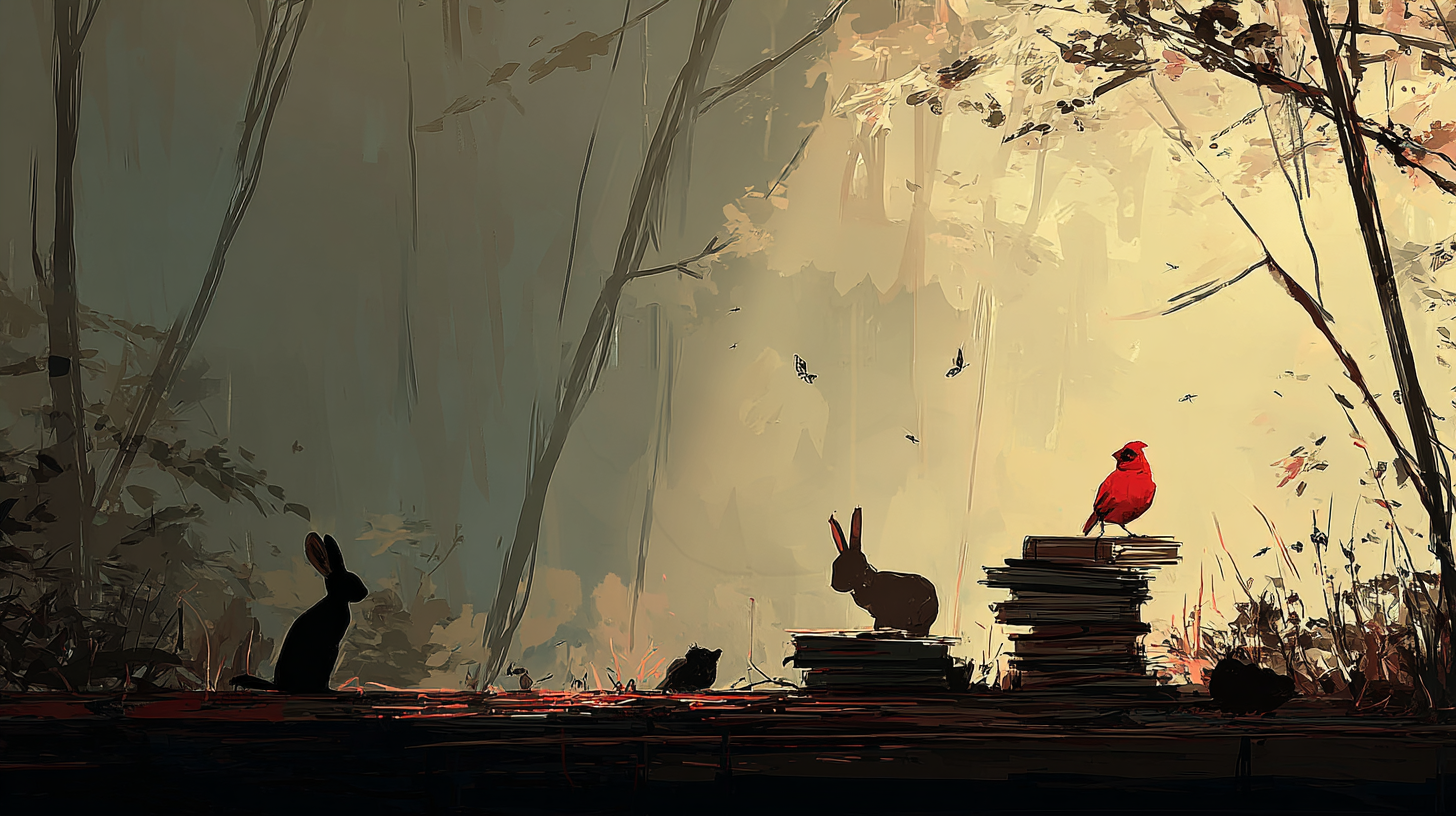
A fable is a short story that teaches a lesson, often with animals.
fableは動物などが出てきて教訓を伝える短い物語や作り話のことです。
以下は英単語 “fable” に関するストーリー型学習コンテンツです。まずは大枠の意味を理解して最後の文章で確認しましょう。
「fable」の主な意味(main meaning)
| 品詞 | 主要な意味 | 英語定義 | 英語例文 | 発音記号(IPA) |
|---|---|---|---|---|
| noun | 教訓のある短い物語 | a short story that teaches a moral lesson, often using animals | The manager used a fable to explain teamwork. | /ˈfeɪbəl/ |
| noun | 作り話としての物語 | a story that is not meant to be taken as true | Some people thought his success story was a fable. | /ˈfeɪbəl/ |
| verb | 寓話を語る 作り話をする | to tell or invent stories, especially with a moral | He liked to fable about brave workers in old times. | /ˈfeɪbəl/ |
「fable」の語源(etymology)
fable はラテン語の fabula(話 物語)に由来します。
核となるイメージは「だれかが語って聞かせる話」です。事実をそのまま伝えるというより、聞く人に気づきを与えるために形を整えた物語という感じです。
「fable」の類義語(synonyms)
| 類義語 | 基本的な意味 | 指定単語とのニュアンスの違い | 英語例文 |
|---|---|---|---|
| tale | 物語 話 | tale はただの物語でもよく、教訓が必須ではない。fable は教訓や学びが中心。 | She told a tale about her first job. |
| legend | 伝説 | legend は昔から語られる有名な話で、人や場所に結びつきやすい。fable は短くて教訓重視。 | The town has a legend about a hidden treasure. |
| myth | 神話 俗説 | myth は神や世界の始まりの話や、根拠のうすい思い込みにも使う。fable は教訓のための物語。 | It is a myth that you must work nonstop to succeed. |
| parable | たとえ話 教訓話 | parable は人間の生活の例で道徳を教えることが多い。fable は動物が出ることが多い。 | The speaker shared a parable about kindness. |
| allegory | 寓意物語 | allegory は物語全体が別の意味を表し、長く複雑になりやすい。fable は短くてわかりやすい。 | The novel is an allegory about freedom. |
「fable」の反義語(antonyms)
| 反義語 | 基本的な意味 | 英語例文 |
|---|---|---|
| fact | 事実 | Please separate fact from opinion in the report. |
| truth | 真実 | She spoke the truth even when it was difficult. |
「fable」のコロケーション(collocations)
| コロケーション | 意味 | 英語例文 |
|---|---|---|
| a fable about | 何々についての寓話 | He wrote a fable about honesty in the workplace. |
| a moral fable | 教訓のある寓話 | The training video ends with a moral fable. |
| an ancient fable | 古い寓話 | An ancient fable can still feel relevant today. |
| Aesop’s fables | イソップ寓話 | We discussed Aesop’s fables in English class. |
| learn a lesson from a fable | 寓話から教訓を学ぶ | New staff can learn a lesson from a fable. |
「fable」の2項表現(binomials)
| 2項表現 | 意味 | 英語例文 |
|---|---|---|
| fact and fable | 事実と作り話 | The article mixed fact and fable, so we checked sources. |
| myth and fable | 神話と作り話 | The rumor sounded like myth and fable to me. |
| truth and fiction | 真実と虚構 | The film blurs truth and fiction in an interesting way. |
英語ストーリー(english story)
On Monday morning, the office felt unusually quiet. Our team at BrightLine Marketing had a big client meeting on Friday, and everyone was staring at their screens as if the answers might appear by magic. I was preparing the training materials for our new interns, but I could not stop thinking about the presentation.
At 10 a.m., our manager, Ms. Kato, called us into the small conference room. She looked calm, as always, and placed a thin book on the table. “Before we talk about slides,” she said, “I want to tell you a fable.”
Some of my coworkers exchanged surprised looks. A story now? We needed data, not bedtime reading. Still, Ms. Kato began in a steady voice.
“Long ago,” she said, “a group of ants worked hard to carry food back to their home. One day, a bird offered to help. The bird was strong and fast, but it kept grabbing too much at once. Because of that, the bird dropped the food again and again. The ants, though small, carried only what they could handle, and they did it together. In the end, the ants finished first.”
She closed the book. “This is a moral fable,” she added. “It is not about being the strongest. It is about knowing your role and working as a team.”
I could see the point, but I was still unsure. “So you’re saying we should do less?” I asked.
“Not less,” she replied. “Smarter. We are mixing fact and fable in our planning. We have some solid numbers, but we also have a tale we tell ourselves: that we can do everything at the last minute. That tale feels comforting, but it is not the truth.”
Her words landed hard. I realized she was right. We had good research, but we were also depending on a myth that we could fix everything on Thursday night. We had done it once before, and now we treated it like a legend in our team, as if we were heroes who always survived deadlines.
Ms. Kato turned to the whiteboard. “Let’s separate fact from fiction,” she said. “What do we know for sure, and what are we only assuming?”
We started listing items. The client’s budget was confirmed. The target audience data was clear. Those were facts. But our plan to redesign the whole slide deck by Wednesday was closer to wishful thinking. It felt like truth and fiction were mixed together.
Then Ms. Kato gave us a simple assignment. “Each person will take one part of the presentation,” she said. “No one grabs too much. Also, I want each group to add a short story to one slide. Not a long speech. Just a clear message people will remember. If you want, use a parable or even an ancient fable. Something that teaches a lesson.”
After the meeting, I returned to my desk with a new kind of energy. I began writing a fable about honesty in the workplace for the interns. In my story, a friendly dog found a lost wallet and had to choose between keeping it or returning it. The ending was simple: the dog returned it and earned trust, which mattered more than money.
During lunch, my coworker Satoshi leaned over and said, “Are you really writing that? I thought we needed charts.”
“We do,” I said, “but Ms. Kato is right. People remember stories. Aesop’s fables are still famous for a reason.”
Satoshi laughed. “Fine. I’ll try one too. Maybe an allegory about customer trust.”
By Thursday afternoon, something had changed. The office was still busy, but it was not chaotic. Everyone was focused on their own piece. When problems appeared, we talked openly instead of panicking. It felt good to learn a lesson from a fable and apply it to real work.
On Friday, the client meeting went smoothly. When Ms. Kato presented the slide with the short story, I saw the client’s faces soften. They nodded, and one person even smiled. After the meeting, the client told us they liked how we explained our ideas clearly.
Back at the office, Ms. Kato stopped by my desk. “Good work,” she said. “Remember, stories are tools. But we must respect the truth. A fable can guide us, but it should not replace facts.”
I nodded. In a workplace full of deadlines, a simple fable had helped us think clearly. It did not give us magic. It gave us direction.
和訳
月曜日の朝、オフィスはいつもより静かでした。私たちのブライトラインマーケティングのチームは金曜日に大きなクライアント会議があり、みんな答えが画面から出てくるかのように見つめていました。私は新しいインターン向けの研修資料を準備していましたが、プレゼンのことが頭から離れませんでした。
午前10時、加藤マネージャーが小さな会議室に私たちを呼びました。彼女はいつも通り落ち着いていて、薄い本をテーブルに置きました。彼女は言いました。「スライドの話の前に、寓話(fable)を一つ話します。」
同僚の何人かが驚いた顔で見合いました。今は物語ではなくデータが必要だと思ったのです。それでも加藤さんは一定の声で話し始めました。
「昔、アリの群れが一生懸命に食べ物を巣へ運んでいました」と彼女は言いました。「ある日、鳥が手伝うと言いました。鳥は強くて速いのですが、一度に取りすぎてしまいます。そのせいで、食べ物を何度も落としてしまいました。アリは小さいけれど、自分たちが運べる分だけを持ち、協力して運びました。結局、アリの方が先に終えました。」
彼女は本を閉じました。「これは教訓のある寓話(a moral fable)です」と付け加えました。「最強であることの話ではありません。役割を知り、チームとして働く話です。」
私は言いたいことはわかりましたが、まだ自信がありませんでした。「つまり、私たちはやる量を減らすべきだと言っているのですか」と私は聞きました。
「減らすのではなく、賢くです」と彼女は答えました。「私たちは計画の中で、事実と作り話(fact and fable)をごちゃまぜにしています。確かな数字はありますが、私たちが自分に言い聞かせる物語(tale)もあります。最後の最後で全部できるという物語(tale: 自分に言い聞かせる話)です。その物語(tale)は安心できますが、真実(truth)ではありません。」
その言葉は重く響きました。彼女の言う通りだと気づきました。私たちは良い調査を持っていましたが、木曜の夜に全部直せるという俗説(myth: 根拠のうすい思い込み)にも頼っていました。以前一度それで乗り切ったせいで、それをチームの伝説(legend: みんなが信じる伝説)のように扱い、いつも締め切りを生き残る英雄のように思っていたのです。
加藤さんはホワイトボードに向かいました。「事実と虚構を分けましょう(separate fact from fiction: 事実と虚構を分ける)」と言いました。「確実にわかっていることは何で、ただの思い込みは何ですか。」
私たちは項目を書き出し始めました。クライアントの予算は確定していました。ターゲット層のデータも明確でした。これらは事実(fact)です。しかし、水曜日までにスライド全体を作り直す計画は、願望に近いものでした。真実と虚構(truth and fiction)が混ざっているように感じました(truth and fiction: 真実と虚構)。
それから加藤さんは簡単な課題を出しました。「各自がプレゼンの一部分を担当します」と言いました。「一人で抱え込みすぎないこと。そして各グループは、覚えやすい短い話を一枚のスライドに入れてください。長いスピーチではなく、はっきりしたメッセージです。よければ、たとえ話(parable: 教訓のあるたとえ話)や古い寓話(an ancient fable: 古い寓話)を使ってもいい。教訓を教えるものです。」
会議の後、私は新しい種類のやる気を持って自席に戻りました。私はインターンのために、職場での正直さについての寓話(a fable about honesty in the workplace)を書き始めました(a fable about: 何々についての寓話)。私の話では、親切な犬が落とし物の財布を見つけ、取っておくか返すかを選ばなければなりません。結末は単純で、犬は返し、信頼を得ました。お金より信頼が大事だということです。
昼休み、同僚のサトシが身を乗り出して言いました。「本当にそれを書くの。グラフが必要だと思ってた。」
「必要だよ」と私は言いました。「でも加藤さんは正しい。人は物語を覚える。イソップ寓話(Aesop’s fables)は今でも有名だしね(Aesop’s fables: イソップ寓話)。」
サトシは笑いました。「わかった。僕もやってみる。たぶん顧客の信頼についての寓意物語(allegory: 別の意味を表す物語)かな。」
木曜日の午後には、何かが変わっていました。オフィスは忙しいままですが、混乱していません。全員が自分の担当に集中していました。問題が出ても、パニックにならず率直に話し合いました。寓話から教訓を学ぶ(learn a lesson from a fable)ということを、実際の仕事に当てはめられて気持ちがよかったのです(learn a lesson from a fable: 寓話から教訓を学ぶ)。
金曜日、クライアント会議はスムーズに進みました。加藤さんが短い話のスライドを出したとき、クライアントの表情がやわらぐのが見えました。うなずく人がいて、笑う人もいました。会議の後、クライアントは私たちの考えをわかりやすく説明したところが良かったと言いました。
オフィスに戻ると、加藤さんが私の机に立ち寄りました。「よくやった」と彼女は言いました。「物語は道具です。でも真実(truth)を大切にしないといけない。寓話(fable)は導いてくれるけれど、事実(fact)の代わりにはならないの。」
私はうなずきました。締め切りだらけの職場で、シンプルな寓話(fable)が私たちの考えをはっきりさせてくれました。魔法をくれたわけではありません。方向をくれたのです。
「fable」のQ&A
- Qfable ってどんな意味ですか
- A
fable は教訓を伝える短い物語で、動物が出ることも多いです。
- Qfable と tale の違いは何ですか
- A
tale はただの物語でもよく、fable は教訓や学びが中心です。
- Qfable と legend の違いは何ですか
- A
legend は昔から語られる有名な伝説で、fable は短くて教訓重視です。
- Qfable と myth の違いは何ですか
- A
myth は神話や根拠のうすい思い込みにも使い、fable は教訓のための物語です。
- Qfable と parable の違いは何ですか
- A
parable は人間の生活の例で教訓を教える話が多く、fable は動物が出ることが多いです。
- Qfable と allegory の違いは何ですか
- A
allegory は物語全体が別の意味を表す長めの話になりやすく、fable は短くわかりやすいです。
- Qfact と fable はどう違いますか
- A
fact は確かな事実で、fable は作り話としての物語や教訓話です。
- Qfable のよくあるコロケーションは何ですか
- A
a moral fable や an ancient fable や Aesop’s fables などがよく使われます。
- Qa fable about はどういう時に使いますか
- A
a fable about は何についての寓話かを言いたい時に使います。
- Qfact and fable はどんな意味で使いますか
- A
fact and fable は事実と作り話が混ざっている時に、それを区別したい場面で使います。


コメント