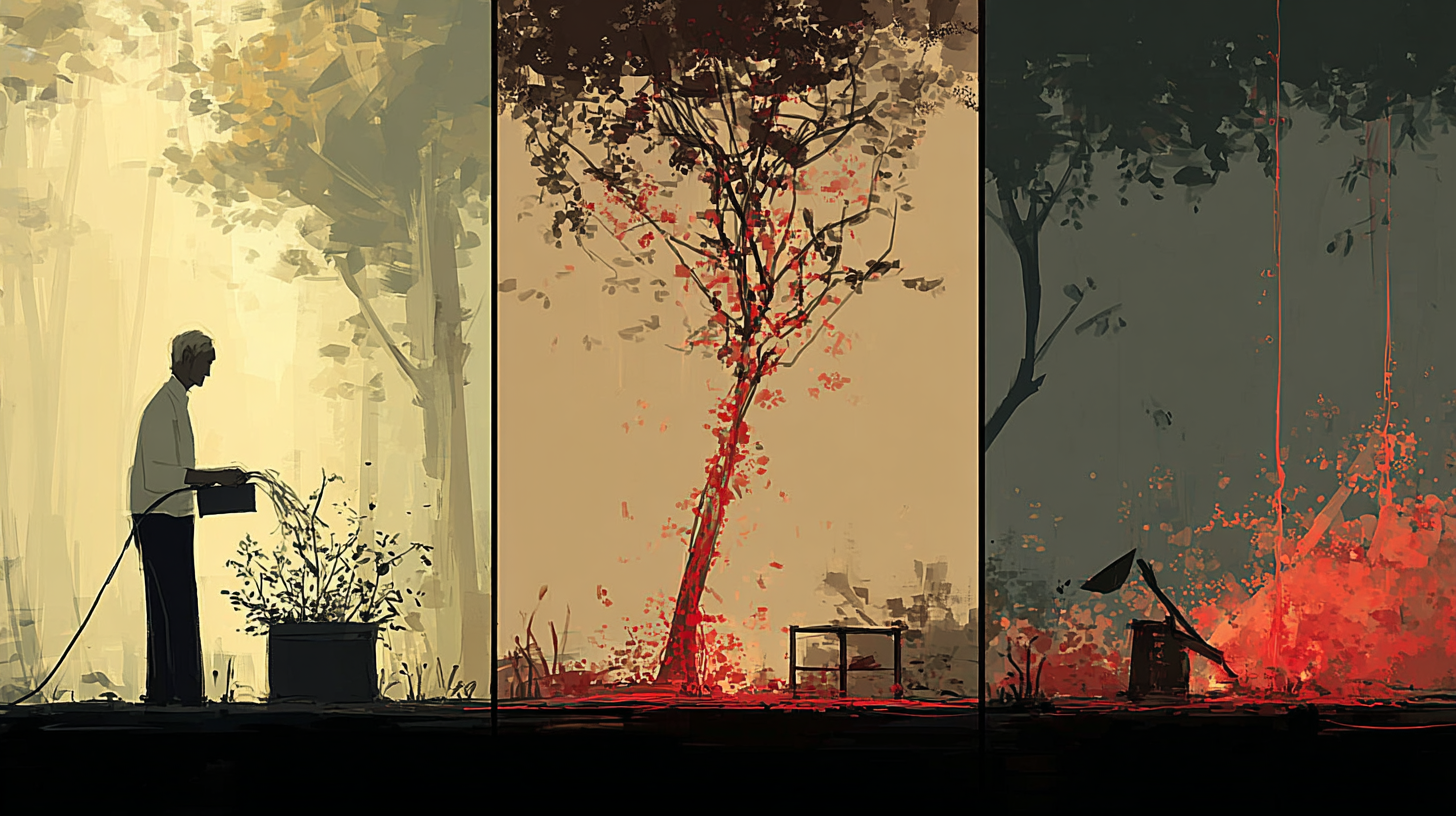
An ecologist studies how animals, plants, and nature affect each other.
ecologistは、生き物と自然環境のつながりを調べる人です。
以下は英単語 “ecologist” に関するストーリー型学習コンテンツです。まずは大枠の意味を理解して最後の文章で確認しましょう。
「ecologist」の主な意味(main meaning)
| 品詞 | 意味 | 英語定義 | 英語例文 | 発音記号(IPA) |
|---|---|---|---|---|
| noun | 生態学者 | a scientist who studies how living things interact with each other and their environment | The ecologist examined how the river pollution affected local fish. | /ɪˈkɑːlədʒɪst/ |
「ecologist」の語源(etymology)
ecologistはecology(生態学)に「人」を表す-istがついた形です。ecologyはギリシャ語のoikos(家)とlogos(学び)がもとで、「生き物の家である自然を学ぶ」というイメージです。
核となるイメージは「自然という家の中で、命どうしのつながりを見ている人」です。
「ecologist」の類義語(synonyms)
| 類義語 | 基本的な意味 | 指定単語とのニュアンスの違い | 英語例文 |
|---|---|---|---|
| environmentalist | 環境を守ろうとする人 | ecologistは科学者として調べる人。environmentalistは活動や主張に力を入れる人のことが多い。 | She is an environmentalist who campaigns for cleaner air. |
| conservationist | 自然や野生生物を保護する人 | ecologistは研究が中心。conservationistは保護や管理の実行に近い。 | The conservationist helped protect the wetland from development. |
| biologist | 生物学者 | biologistは生き物全体の学問。ecologistは特に生き物と環境の関係にしぼる。 | The biologist studied how cells change under stress. |
| researcher | 研究者 | researcherは分野が広い言い方。ecologistは生態学の専門家だと明確に言える。 | The researcher collected data for the new report. |
| naturalist | 自然を観察する人 | naturalistは観察や記録が中心で、必ずしも専門研究者とは限らない。ecologistは科学的に分析する。 | A naturalist recorded birds near the park every morning. |
「ecologist」の反義語(antonyms)
| 反義語 | 基本的な意味 | 英語例文 |
|---|---|---|
| polluter | 汚染する人、汚す人 | The polluter was fined for dumping waste into the river. |
| exploiter | 乱用する人、利益のために使いすぎる人 | The exploiter ignored the community and took resources too quickly. |
「ecologist」のコロケーション(collocations)
| コロケーション | 意味 | 英語例文 |
|---|---|---|
| field ecologist | 現地調査をする生態学者 | A field ecologist visited the site to count insects and plants. |
| marine ecologist | 海の生態を調べる生態学者 | The marine ecologist explained why coral reefs are fragile. |
| consult an ecologist | 生態学者に相談する | We decided to consult an ecologist before changing the riverbank. |
| an ecologist’s report | 生態学者の報告書 | The manager read the ecologist’s report during the meeting. |
| work as an ecologist | 生態学者として働く | He wants to work as an ecologist after graduate school. |
「ecologist」の2項表現(binomials)
| 2項表現 | 意味 | 英語例文 |
|---|---|---|
| rules and regulations | 規則全般 | Everyone must follow the rules and regulations at the factory. |
| facts and figures | 事実と数字 | The presenter supported her claim with facts and figures. |
| pros and cons | 良い点と悪い点 | Let’s discuss the pros and cons before we decide. |
英語ストーリー(english story)
Mika worked at a packaging company in the planning department. Her team was proud of their fast delivery, but a new client asked a hard question: “Can you reduce plastic waste without raising the price too much?”
On Monday morning, Mika walked into the meeting room with her manager, Mr. Sato. On the screen, a photo showed a small river near their factory. Some trash had collected along the bank.
“We need a clear plan,” Mr. Sato said. “We also need to follow the rules and regulations, and we must keep our business stable.”
Mika nodded. “I think we should consult an ecologist. We can’t guess what the best choice is.”
Mr. Sato looked surprised, but he agreed. “All right. Please arrange it.”
Two days later, Dr. Hayashi arrived. She introduced herself in simple words. “I’m an ecologist. I study how living things and their environment affect each other. I’m also a researcher, so I will focus on data.”
Mika liked her calm voice. “Thank you for coming. Some people call themselves environmentalists, and they have strong opinions. We respect that, but we need facts and figures for a business decision.”
Dr. Hayashi smiled. “That makes sense. Environmentalist work is important, but my job today is to measure the situation. I also work with conservationists when we need to protect habitats.”
She opened her laptop and showed a map. “First, I want to visit the site as a field ecologist. Then I’ll write an ecologist’s report. After that, we can talk about the pros and cons of each option.”
That afternoon, Mika went with Dr. Hayashi to the river. They wore boots and gloves. Dr. Hayashi took notes, measured the water flow, and checked the plants near the bank.
“This area is small, but it connects to a bigger ecosystem,” Dr. Hayashi said. “Even small changes can spread.”
Mika pointed at the trash. “Some people say our company is a polluter because of plastic. That hurts.”
Dr. Hayashi looked at the labels on the trash. “Some of this came from many places, not only from your factory. Still, the public image matters. And reducing waste is a real goal.”
Back at the office, Dr. Hayashi interviewed workers and checked the storage area. Mika noticed that Dr. Hayashi asked careful questions, like a biologist watching a new species.
On Friday, the team met again. Dr. Hayashi presented her ecologist’s report on the screen.
“Here are the facts and figures,” she said. “Your packaging is not the only cause of trash, but your material choices can reduce the risk of leakage. Also, the riverbank plants help keep the soil stable. If construction damages them, insects and small fish may decrease.”
Mr. Sato frowned. “So we should avoid heavy work near the bank.”
“Yes,” Dr. Hayashi said. “A conservationist would say the same, because wetlands and river edges are important. Now, let’s discuss the pros and cons.”
She listed three plans.
Plan A: Keep the current plastic but improve collection and education.
Plan B: Use thinner plastic and redesign the package to use less material.
Plan C: Switch to a plant-based material for some products.
Mika asked, “Which plan is best for nature?”
Dr. Hayashi answered carefully. “It depends. Plan C sounds perfect, but some plant-based materials need more land and water. If suppliers act like exploiters and cut forests, the total damage can be bigger. Plan B often works well because it reduces material right away. Plan A can help too, but it needs strong teamwork.”
Mr. Sato leaned back. “We must keep costs reasonable.”
Mika turned to Dr. Hayashi. “Could we also ask a marine ecologist? Some customers worry about the ocean.”
Dr. Hayashi nodded. “Good idea. I can connect you with a marine ecologist who studies how plastics affect sea life. But even before that, you can take action based on what we already know.”
After the meeting, Mika stayed with Mr. Sato to write a proposal. She felt nervous, but also hopeful.
“We’re not trying to look perfect,” Mika said. “We’re trying to make real progress.”
Mr. Sato agreed. “Yes. We will follow the rules and regulations, use facts and figures, and choose a plan we can continue.”
A month later, the company started Plan B and tested Plan C for one product line. Mika also created a training session for workers and drivers. She invited Dr. Hayashi to speak, and Dr. Hayashi explained the river ecosystem in a clear way.
At the end, one worker raised his hand. “So you’re not here to blame us?”
Dr. Hayashi shook her head. “No. My role as an ecologist is to show connections. When you see the connections, you can choose better actions.”
Mika watched her coworkers nod. For the first time, the project felt like a shared effort, not a fight. And Mika realized that a workplace could change, step by step, when people were willing to learn and act with care.
和訳
ミカはある包装会社の企画部で働いていた。彼女のチームは配送の速さに誇りを持っていたが、新しい取引先が難しい質問をした。「値段をあまり上げずに、プラスチックごみを減らせますか。」
月曜の朝、ミカは上司の佐藤さんと会議室に入った。画面には工場近くの小さな川の写真が映っていた。川岸にごみがたまっていた。
「はっきりした計画が必要だ。」佐藤さんは言った。「それに規則全般(rules and regulations:規則全般)も守らないといけないし、会社を安定させないといけない。」
ミカはうなずいた。「生態学者(ecologist:生態学者)に相談する(consult an ecologist:生態学者に相談する)のがいいと思います。勘で決めるのは無理です。」
佐藤さんは驚いた顔をしたが、同意した。「分かった。手配してくれ。」
二日後、林博士が来た。彼女は分かりやすい言葉で自己紹介した。「私は生態学者(ecologist:生態学者)です。生き物と環境がどう影響し合うかを調べています。私は研究者(researcher:研究者)でもあるので、今日はデータに集中します。」
ミカは彼女の落ち着いた声が気に入った。「来てくださってありがとうございます。環境を守ろうとする人(environmentalist:環境保護活動家)と呼ばれる人もいて、強い意見を持っています。それも大切ですが、私たちはビジネスの判断に事実と数字(facts and figures:事実と数字)が必要です。」
林博士は少し笑った。「それでいいと思います。environmentalist(environmentalist:環境保護活動家)の活動は重要ですが、今日の私の仕事は状況を測ることです。必要なら自然や野生生物を保護する人(conservationist:自然保護の人)とも一緒に動きます。」
彼女はノートパソコンを開き、地図を見せた。「まず現地調査をする生態学者(field ecologist:現地調査をする生態学者)として現場を見たいです。それから生態学者の報告書(an ecologist’s report:生態学者の報告書)を書きます。次に、それぞれの案の良い点と悪い点(pros and cons:良い点と悪い点)を話し合いましょう。」
その日の午後、ミカは林博士と川へ行った。二人は長靴と手袋を身につけた。林博士はメモを取り、水の流れを測り、川岸の植物を確認した。
「ここは小さいけれど、もっと大きな生態系につながっています。」林博士は言った。「小さな変化でも広がることがあります。」
ミカはごみを指さした。「私たちはプラスチックのせいで汚染する人(polluter:汚染者)だと言われることがあります。つらいです。」
林博士はごみのラベルを見た。「これはいろいろな場所から来ています。あなたの工場だけではありません。でも世間のイメージは大事ですし、ごみを減らすのは本当の目標です。」
オフィスに戻ると、林博士は作業員に聞き取りをし、保管場所を確認した。ミカは、林博士が生物学者(biologist:生物学者)が新しい生き物を観察するように、丁寧な質問をしていると感じた。
金曜、チームはまた集まった。林博士は画面に生態学者の報告書(an ecologist’s report:生態学者の報告書)を映した。
「これが事実と数字(facts and figures:事実と数字)です。」彼女は言った。「あなた方の包装だけがごみの原因ではありませんが、材料の選び方で漏れのリスクを減らせます。それに、川岸の植物は土を安定させます。工事でそれが傷つくと、虫や小さな魚が減るかもしれません。」
佐藤さんは顔をしかめた。「じゃあ川岸の近くで大がかりな作業は避けるべきだな。」
「はい。」林博士は言った。「自然や野生生物を保護する人(conservationist:自然保護の人)も同じことを言うでしょう。では、良い点と悪い点(pros and cons:良い点と悪い点)を話し合いましょう。」
彼女は三つの案を並べた。
案A 今のプラスチックは変えずに、回収と教育を強化する。
案B プラスチックを薄くして、設計を変え、材料を減らす。
案C 一部の商品で植物由来の素材に切り替える。
ミカは聞いた。「自然に一番いいのはどれですか。」
林博士は慎重に答えた。「場合によります。案Cは完璧に聞こえますが、植物由来の素材は土地や水を多く使うことがあります。もし供給側が利益のために使いすぎる人(exploiter:搾取者)のように森を切り開けば、全体の被害は大きくなることもあります。案Bはすぐに材料を減らせるので、うまくいくことが多いです。案Aも助けになりますが、強いチームワークが必要です。」
佐藤さんは椅子にもたれた。「コストは現実的にしないといけない。」
ミカは林博士を見た。「海の生態を調べる生態学者(marine ecologist:海の生態学者)にも聞けますか。お客さんは海を心配しています。」
林博士はうなずいた。「いいですね。marine ecologist(marine ecologist:海の生態学者)を紹介できます。ただ、それ以前に、今分かっていることだけでも行動できます。」
会議の後、ミカは佐藤さんと残って提案書を書いた。不安もあったが、希望もあった。
「完璧に見せたいわけじゃないんです。」ミカは言った。「本当に前に進みたいんです。」
佐藤さんは同意した。「そうだ。規則全般(rules and regulations:規則全般)を守り、事実と数字(facts and figures:事実と数字)を使い、続けられる案を選ぶ。」
一か月後、会社は案Bを始め、商品ラインの一つで案Cを試した。ミカは作業員とドライバー向けの研修も作った。彼女は林博士を招き、林博士は川の生態系を分かりやすく説明した。
最後に、ある作業員が手を挙げた。「つまり、私たちを責めに来たわけじゃないんですか。」
林博士は首を横に振った。「いいえ。生態学者(ecologist:生態学者)としての私の役割は、つながりを見せることです。つながりが見えれば、よりよい行動を選べます。」
ミカは同僚たちがうなずくのを見た。初めて、このプロジェクトは戦いではなく、みんなの共同作業に感じられた。そしてミカは、人が学び、思いやりをもって行動しようとするとき、職場も少しずつ変わるのだと気づいた。
「ecologist」のQ&A
- Qecologistはどんな人ですか
- A
ecologistは生き物と環境のつながりを科学的に調べる人です
- Qecologistとenvironmentalistはどう違いますか
- A
ecologistは研究者として調べる人で、environmentalistは環境を守る活動や主張に力を入れることが多いです
- Qecologistとconservationistはどう違いますか
- A
ecologistは関係を調べるのが中心で、conservationistは自然を守るための保護や管理を進めることが多いです
- Qecologistとbiologistはどう違いますか
- A
biologistは生き物全体を広く研究し、ecologistは特に生き物と環境の関係に集中します
- Qresearcherはecologistの代わりに使えますか
- A
researcherは分野が広い言い方なので、専門をはっきりさせたいときはecologistの方が適切です
- Qconsult an ecologistはどんな場面で使いますか
- A
工事や開発の前に自然への影響を確かめたいときにconsult an ecologistを使います
- Qfield ecologistは何をしますか
- A
field ecologistは現地に行って観察や計測をし、データを集めます
- Qmarine ecologistは何を調べますか
- A
marine ecologistは海の生き物や海の環境、汚染の影響などを調べます
- Qan ecologist’s reportはどんな内容になりやすいですか
- A
生態系への影響、データ、改善案、注意点などがまとめられることが多いです
- Qrules and regulationsやfacts and figuresはストーリーでどう役立ちますか
- A
rules and regulationsは守るべき決まりを示し、facts and figuresは判断を支える根拠として役立ちます


コメント