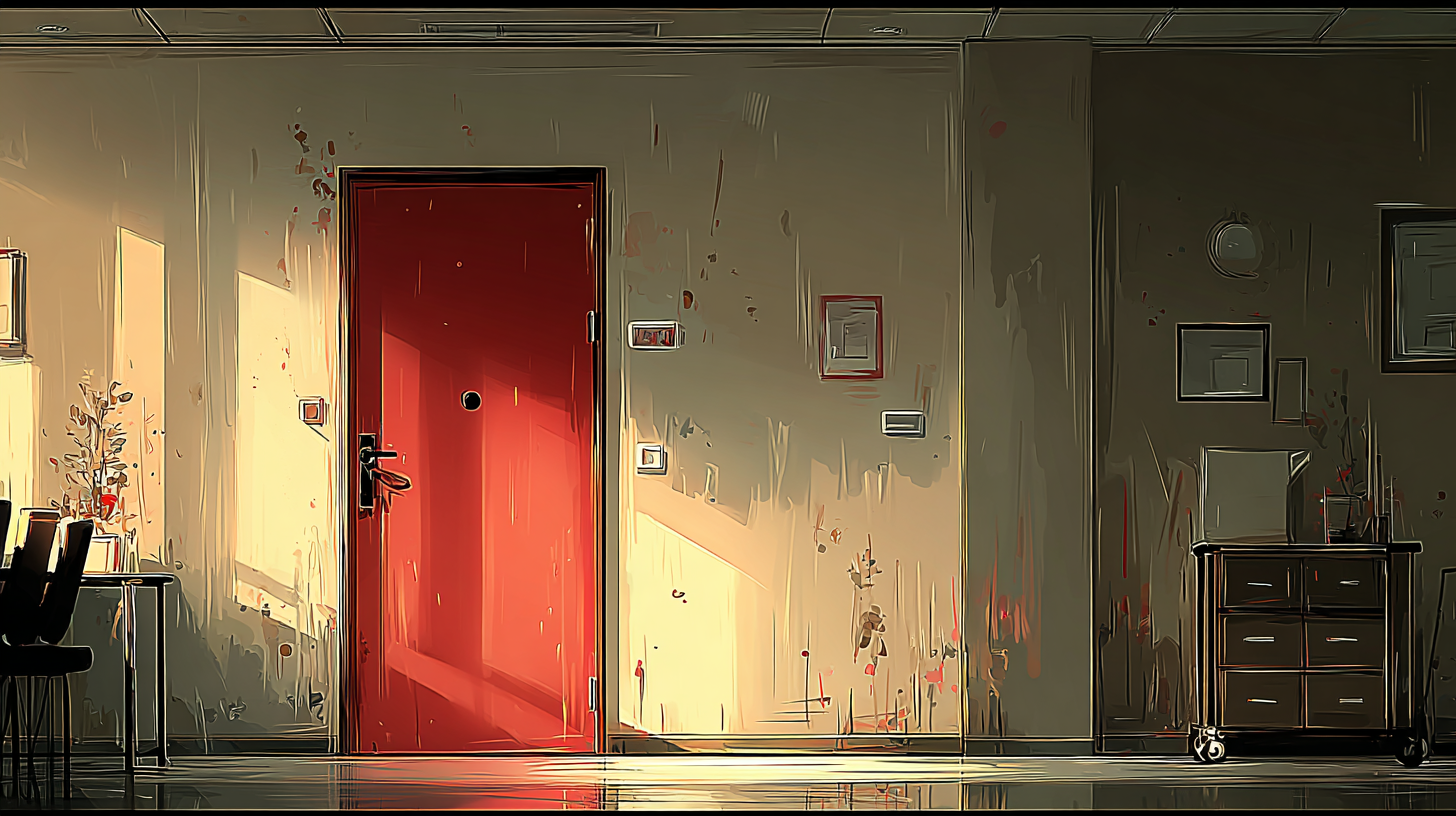
A dent is a small hollow from a hit, or a small change that reduces something a little.
dentは、ぶつけてできる小さなくぼみやへこみ、または少しだけ減らすことです。
以下は英単語 “dent” に関するストーリー型学習コンテンツです。まずは大枠の意味を理解して最後の文章で確認しましょう。
「dent」の主な意味(main meaning)
| 品詞 | Main meaning | English definition | Example sentence | IPA |
|---|---|---|---|---|
| noun | dent | a small hollow or mark made when something is hit or pressed | There is a dent on the side of the filing cabinet. | /dent/ |
| noun | dent | a small reduction in amount, strength, or progress | The new policy made a dent in our costs. | /dent/ |
| verb | dent | to make a hollow or mark in a surface by hitting or pressing it | The delivery cart dented the office door. | /ˈden.tɪd/ |
| verb | dent | to reduce something a little (often used with “confidence” or “reputation”) | The complaint dented the team’s confidence. | /ˈden.tɪd/ |
「dent」の語源(etymology)
語源は、中世英語を通って古フランス語の流れにある語に由来するとされます。
核となるイメージは、硬いものに力がかかって「表面がへこんで形が少しだけ変わる」です。大きく壊れるのではなく、小さなへこみが残る感じです。
「dent」の類義語(synonyms)
| 類義語 | 基本的な意味 | 指定単語とのニュアンスの違い | 英語例文 |
|---|---|---|---|
| indentation | 押されてできたくぼみ | dentより「押し込まれてできた形」に焦点があり、原因が衝撃とは限らない | The foam has an indentation where the box sat. |
| dimple | 小さく丸いくぼみ | かわいく小さな丸いくぼみによく使い、傷っぽさが少ない | She noticed a dimple on the soft leather. |
| nick | 小さな欠け・傷 | へこみより「切れ目や欠け」に近く、細い傷の感じが強い | There’s a nick on the edge of the desk. |
| crease | 折り目・しわ | 金属より紙や布などの「折れて線が残る」感じが中心 | The report had a crease from being folded. |
| ding | 小さなへこみや傷 | dentよりくだけた言い方で、軽いへこみや小さな損傷に広く使う | The elevator door has a small ding near the handle. |
「dent」の反義語(antonyms)
| 反義語 | 基本的な意味 | 英語例文 |
|---|---|---|
| smooth | なめらかにする/なめらかな | After the repair, the panel looked smooth again. |
| straighten | まっすぐに直す | The technician will straighten the bent frame. |
「dent」のコロケーション(collocations)
| コロケーション | 基本的な意味 | 英語例文 |
|---|---|---|
| make a dent (in) | 少し効果を出す/少し減らす | We worked overtime to make a dent in the backlog. |
| a dent in the door/car | ドアや車のへこみ | There’s a dent in the conference room door. |
| dented surface | へこんだ表面 | The dented surface reflected the light oddly. |
| repair a dent | へこみを修理する | Facilities can repair a dent if you report it. |
| leave a dent | へこみを残す | The heavy box can leave a dent on the carpet. |
「dent」の2項表現(binomials)
| 2項表現 | 基本的な意味 | 英語例文 |
|---|---|---|
| dents and scratches | へこみと傷 | The device still works despite dents and scratches. |
| dents and dings | 小さなへこみや傷 | It’s an old cabinet, so dents and dings are normal. |
英語ストーリー(english story)
On Monday morning, Yuki arrived at the office earlier than usual. A big client meeting was scheduled for the afternoon, and the team wanted the conference room to look perfect. She carried a laptop, a stack of printed agendas, and a small box of name tags. The hallway was quiet, and the cleaning staff had just finished.
When she reached the storage area, she saw Ken from Facilities pushing a metal cart loaded with extra chairs. The cart was old but sturdy, with dents and dings from years of use. Ken smiled and said, “Good timing. Do you need more chairs for the meeting?”
“Maybe,” Yuki answered. “But first, I want to check the conference room.”
Ken started moving the cart forward. At the same moment, Yuki stepped back to avoid a corner of the cart. The wheel hit a bump, the cart shifted, and its handle struck the conference room door with a dull sound.
Both of them froze.
Yuki looked at the door and saw a dent in the door, right near the handle. It wasn’t huge, but it was clear enough to catch the light. She felt her stomach drop. “Oh no. That’s… not good.”
Ken leaned closer. “I’m sorry. I didn’t expect the wheel to slip.” He ran his fingers over the mark. “It’s a dent, not a crack. Still, it will look bad today.”
Yuki took a slow breath. She didn’t want to panic, but the client was very strict about details. Last month, they had complained about a crease in a printed contract, as if the fold meant the team was careless. If they noticed this door, it could dent the company’s reputation, at least a little.
“Can you repair a dent quickly?” Yuki asked.
Ken nodded, but his face showed doubt. “I can try. Sometimes I can straighten the metal a bit and make it smooth enough. But it depends on the depth.”
Yuki bent down and checked the surface from the side. The mark looked like an indentation with a sharp edge, not a soft dimple. There was also a tiny nick in the paint where the handle had hit. “It’s more than a simple dimple,” she said. “And there’s a small nick too.”
Ken sighed. “Right. The paint is the harder part. I can push from the inside if I can reach it, but this door has a reinforced plate.”
Yuki looked at her watch. They had five hours. “Okay,” she said. “Let’s do what we can. If we can’t fix it completely, maybe we can reduce how noticeable it is.”
Ken went to get tools, and Yuki walked into the conference room to set up. She placed the agendas neatly, lined up pens, and checked the screen for the presentation. Still, her eyes kept returning to the door. The team had worked for weeks on this proposal, and they still needed to make a dent in the remaining tasks. The last thing they needed was a door problem stealing attention.
Soon, Ken returned with a small kit. He tried a few methods: gentle pressure, a soft mallet, and careful tapping from different angles. After several minutes, the dented surface looked slightly better, but the light still showed a shadow.
Ken wiped his forehead. “I can straighten it a little more,” he said, “but I don’t want to make it worse.”
Yuki thought for a moment. “What if we change where the client enters?” she asked. “We can guide them through the other door, the one near reception.”
Ken raised his eyebrows. “That could work. The client won’t see this side.”
Yuki nodded. “And we can put a standing sign here that says ‘Staff Only’ for today. It will look planned.”
Ken laughed softly. “You’re good at problem solving.”
“It’s not perfect,” Yuki said, “but it’s practical.”
Before lunch, Yuki emailed her manager and explained the situation honestly. She didn’t hide the dent, but she also offered the solution. Her manager replied quickly: “Thanks for telling me. Let’s handle it calmly. After the meeting, submit a request to repair the door fully.”
In the afternoon, the client arrived. Yuki greeted them at reception and led them through the alternate entrance. The meeting went smoothly. The presentation was clear, the numbers were strong, and the client asked thoughtful questions. By the end, they looked satisfied.
After everyone left, Yuki returned to the conference room door. The dent was still there, but it felt less frightening now. It was a small reminder: in real work, mistakes happen. What matters is how you respond, how you protect trust, and how you keep moving forward until you truly make a dent in your goals.
和訳
月曜日の朝、ユキはいつもより早くオフィスに着いた。午後に大きな取引先との会議が予定されていて、チームは会議室を完璧に見せたかった。彼女はノートパソコン、印刷した議題の束、小さな名札の箱を持っていた。廊下は静かで、清掃スタッフがちょうど作業を終えたところだった。
倉庫の前に着くと、設備担当のケンが追加の椅子を載せた金属のカートを押しているのが見えた。そのカートは古いが丈夫で、長年の使用で小さなへこみや傷(dents and dings:小さなへこみや傷)があった。ケンは笑って言った。「いいタイミングだね。会議に椅子を増やす?」
「たぶんね」とユキは答えた。「でも先に会議室を確認したい。」
ケンがカートを前に動かし始めた。その同時に、ユキはカートの角を避けるために後ろへ下がった。車輪が段差に当たり、カートがずれて、取っ手が会議室のドアに鈍い音とともにぶつかった。
二人とも固まった。
ユキはドアを見て、取っ手の近くにドアのへこみ(a dent in the door:ドアのへこみ)を見つけた。大きくはないが、光を受けてはっきりわかる。彼女は胃がきゅっとなった。「うそ…よくないね。」
ケンは近づいた。「ごめん。車輪が滑ると思わなかった。」彼は跡を指でなぞった。「割れじゃない。へこみ(dent:へこみ)だ。でも今日だと見た目が悪い。」
ユキはゆっくり息をした。慌てたくはなかったが、その取引先は細かいところに厳しい。先月も、印刷した契約書に折り目(crease:折り目)があるだけで、チームが雑だと言うようなクレームを出した。もしこのドアに気づけば、会社の評判を少し傷つける(dent:少し傷つける)かもしれない。
「へこみを修理(repair a dent:へこみを修理する)って、すぐできる?」とユキは聞いた。
ケンはうなずいたが、少し不安そうだった。「やってみる。中の金属を少しまっすぐに直して(straighten:まっすぐに直す)、見た目をなめらかに(smooth:なめらかに)できることもある。でも深さ次第だね。」
ユキは横から表面を確認した。その跡は、丸いくぼみ(dimple:小さく丸いくぼみ)というより、角が立ったくぼみ(indentation:押されてできたくぼみ)に見えた。さらに、塗装に小さな欠け(nick:小さな欠け)もあった。「単なる丸いくぼみ(dimple:小さく丸いくぼみ)じゃないね」と彼女は言った。「それに小さな欠け(nick:小さな欠け)もある。」
ケンはため息をついた。「そうだね。塗装のほうが難しい。内側から押せればいいけど、このドアは補強板がある。」
ユキは時計を見た。残り5時間ある。「よし」と彼女は言った。「できることをしよう。完全に直せなくても、目立ちにくくできればいい。」
ケンが工具を取りに行き、ユキは会議室に入って準備を始めた。議題をきれいに置き、ペンを並べ、画面で資料を確認した。それでも彼女の目は何度もドアに戻った。チームは何週間も提案の準備をしてきたが、まだ残タスクを少し前に進める(make a dent:少し効果を出す)必要がある。ドアの問題に注意を奪われる余裕はなかった。
やがてケンが小さな道具セットを持って戻った。彼は、やさしく押す方法、柔らかいハンマー、角度を変えた慎重な叩き方などを試した。数分後、へこんだ表面(dented surface:へこんだ表面)は少し良く見えたが、光の影はまだ残った。
ケンは額を拭いた。「もう少しまっすぐに直す(straighten:まっすぐに直す)ことはできるけど、悪化させたくない。」
ユキは少し考えた。「取引先の入室ルートを変えるのはどう?」と彼女は言った。「受付の近くの別のドアから案内しよう。」
ケンは眉を上げた。「それなら、ここは見られない。」
ユキはうなずいた。「それに今日はここにスタンド看板を置いて『スタッフ専用』って書こう。計画的に見えるはず。」
ケンは小さく笑った。「問題解決が上手いね。」
「完璧じゃないけど」とユキは言った。「現実的だよ。」
昼前、ユキは上司にメールして状況を正直に説明した。へこみ(dent:へこみ)を隠さず、代わりの案も伝えた。上司はすぐ返信した。「報告ありがとう。落ち着いて対応しよう。会議後にドアの修理申請を出して。」
午後、取引先が到着した。ユキは受付で迎え、別の入口から案内した。会議は順調だった。説明はわかりやすく、数字も強く、取引先は考えのある質問をした。終わるころには、満足しているように見えた。
全員が帰った後、ユキは会議室のドアに戻った。へこみ(dent:へこみ)はまだあったが、もうそれほど怖く感じなかった。それは小さな教訓だった。仕事ではミスが起きる。大事なのは、どう対応するか、どう信頼を守るか、そして目標に確かな前進を残す(make a dent:少し効果を出す)まで進み続けることだ。
「dent」のQ&A
- Qdentってどんな意味?
- A
dentはぶつかったり押されたりしてできる小さなへこみ、または少しだけ減らすことです。
- Qdentは名詞と動詞でどう違う?
- A
名詞はへこみそのもの、動詞はへこませることや少し減らすことを表します。
- Qdentは車やドアのどんな状態を表す?
- A
表面が少しへこんで光で影ができるような状態をdentと言います。
- Qmake a dentはどんなときに使う?
- A
仕事や量が多いときに「少し進める、少し減らす」という意味で使います。
- Qa dent in the doorはどう使う?
- A
ドアにへこみがあると言いたいときにThere is a dent in the doorの形で使います。
- Qdented surfaceはどんな場面で使う?
- A
金属や硬い素材の表面がへこんでいる状態を説明するときに使います。
- Qrepair a dentはどう言えば自然?
- A
修理を依頼するときはrepair a dentやget a dent repairedが自然です。
- Qdentとindentationの違いは?
- A
indentationは押されてできたくぼみに広く使い、dentは衝撃でできたへこみの感じが強いです。
- Qdentとnickやcreaseの違いは?
- A
nickは小さな欠け、creaseは折り目で、dentはへこみなので形の違いで使い分けます。
- Qdentとsmoothやstraightenはどう関係する?
- A
smoothはなめらかな状態、straightenはまっすぐに直すことで、へこみを直す流れで一緒に出やすいです。


コメント