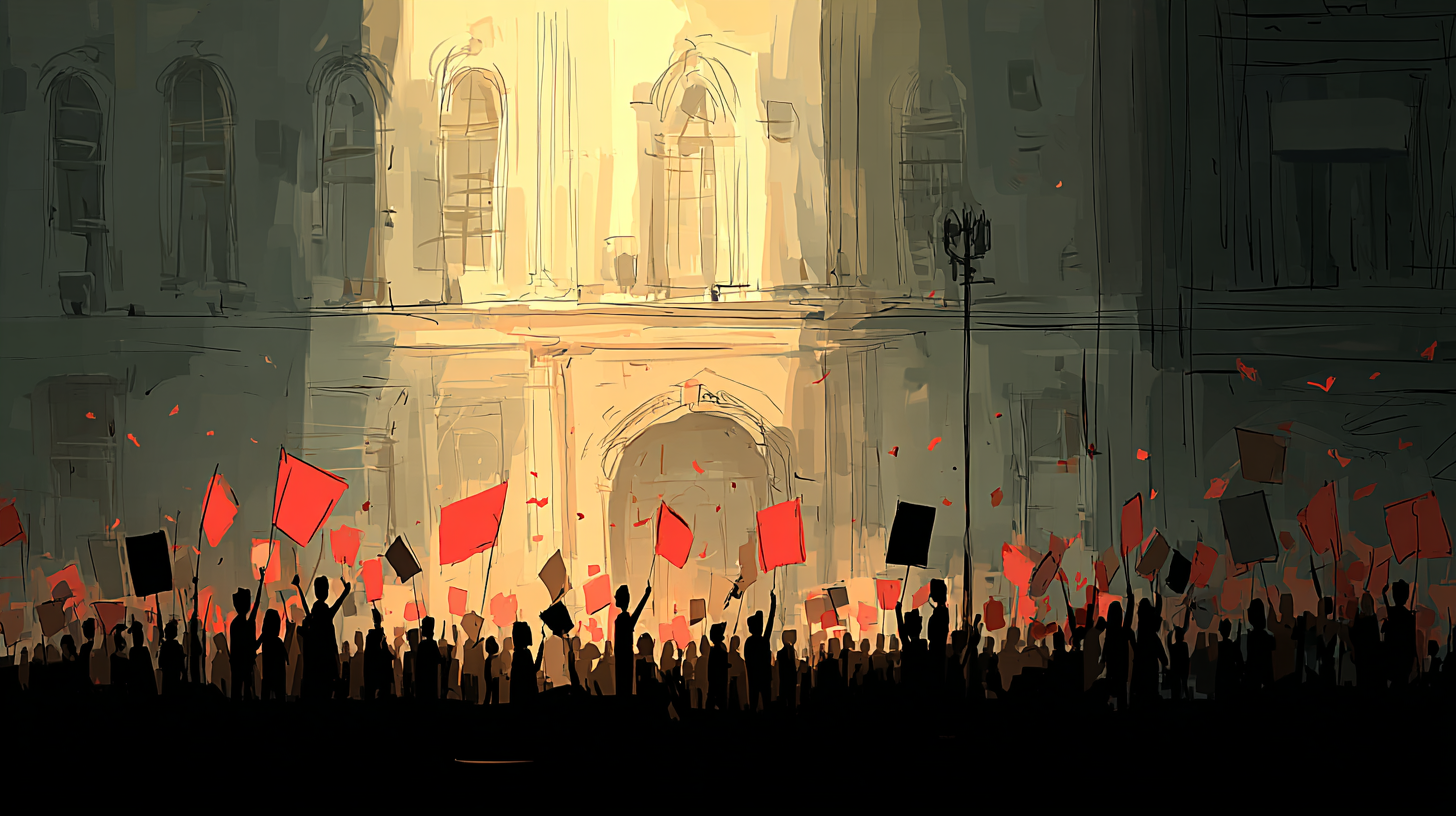
a government or system that controls a country
ある国を支配している政府やそのやり方のこと
以下は英単語 “regime” に関するストーリー型学習コンテンツです。まずは大枠の意味を理解して最後の文章で確認しましょう。
「regime」の主な意味(main meaning)
| 品詞 | 意味 | 発音記号 | 例文 |
|---|---|---|---|
| 名詞 | 政権、政治体制 | /rəˈʒiːm/ | The regime was known for its strict control over the media. |
「regime」の語源(etymology)
「regime」はフランス語 régime から来ており、もともとはラテン語 regimen(支配、統治)に由来します。核となるイメージは「支配の仕組み」や「統治の形」です。
「regime」の類義語(synonyms)
| 類義語 | 例文 |
|---|---|
| government | The government introduced a new law last week. |
| administration | The new administration focused on improving education. |
| authority | The local authority is responsible for the park’s maintenance. |
| system | The education system needs reform. |
「regime」の反義語(antonyms)
| 反義語 | 例文 |
|---|---|
| anarchy | After the war, the country fell into anarchy. |
| democracy | The country moved from dictatorship to democracy. |
「regime」のコロケーション(collocations)
| コロケーション | 例文 |
|---|---|
| military regime | The military regime took power after the coup. |
| authoritarian regime | Citizens protested against the authoritarian regime. |
| regime change | The country went through a peaceful regime change. |
| communist regime | The communist regime lasted for over 40 years. |
「regime」の2項表現(binomials)
| 2項表現 | 例文 |
|---|---|
| law and order | The regime promised to maintain law and order. |
| rules and regulations | The regime imposed strict rules and regulations. |
英語ストーリー(english story)
Title: A Change in the Regime
In a small country called Norval, the citizens lived under a military regime (/rəˈʒiːm/). This regime was strict and did not allow people to speak freely. The government controlled the news and the internet, and people were afraid to express their opinions. It was clearly an authoritarian regime.
However, a group of students started to speak out. They believed the country should move towards democracy, not live in fear under such a system. They wanted regime change, hoping to bring a new kind of administration that respected human rights.
The authorities tried to stop them, but their ideas spread quickly. Soon, many people joined their movement. They demanded law and order, but not by fear — they wanted freedom and fairness. Eventually, after peaceful protests, the old regime stepped down.
A new government was formed. It introduced new rules and regulations, but this time, with the people’s support. The education system was reformed, and the media was free again. Norval had changed — from a harsh regime to a hopeful future.
和訳
タイトル:政権の変化
ノーヴァルという小さな国では、人々は**軍事政権(military regime)**のもとで暮らしていました。この政権は厳しく、人々は自由に話すことができませんでした。**政府(government)はニュースやインターネットを管理し、人々は自分の意見を言うのを恐れていました。まさに権威主義政権(authoritarian regime)**でした。
しかし、ある学生グループが声を上げ始めました。彼らは国が**民主主義(democracy)に向かうべきであり、恐れに支配された体制ではいけないと考えていました。彼らは政権交代(regime change)を望み、人権を尊重する新しい政権(administration)**を求めていました。
**当局(authorities)はそれを止めようとしましたが、彼らの考えは急速に広がっていきました。やがて、多くの人がその運動に加わりました。彼らは法と秩序(law and order)**を求めましたが、恐怖によるものではなく、自由と公正を求めていたのです。そして、平和的な抗議活動の末、旧政権は退陣しました。
新しい**政府(government)が作られました。それは新しいルールや規則(rules and regulations)を導入しましたが、今度は国民の支持のもとでした。教育制度(system)**も改革され、メディアも再び自由になりました。ノーヴァルは変わったのです。厳しい政権から希望ある未来へ。
「regime」のQ&A
- Qregime と government はどう違うの?
- A
「regime」は支配の仕方や体制に焦点を当て、ときに非民主的なイメージを含みます。「government」はより中立的で、単に国を運営する組織という意味です。
- Qadministration と regime の違いは?
- A
「administration」は特定のリーダーの政権期間を表し、特にアメリカの大統領政権などで使われます。「regime」は体制全体に使われ、硬い印象や否定的な意味を含むことがあります。
- Qauthority は人のこと?それとも制度?
- A
「authority」は両方の意味があります。制度としての「当局」や「権力」、またはそれを持つ個人や組織のことを指すことがあります。
- Qanarchy が regime の反対語って本当?
- A
はい。「regime」が秩序ある統治を意味するのに対し、「anarchy」は無政府状態、つまり秩序や統治がない状態を意味するので対義語とされます。
- Qregime change はどういうときに使いますか?
- A
「regime change」は政権が別のものに変わるときに使います。選挙やクーデター、革命など、体制が変わるあらゆる場面に使えます。
- Qmilitary regime は普通の government と何が違いますか?
- A
「military regime」は軍によって支配される政権です。選挙で選ばれた政府とは異なり、強制的な支配が多いです。
- Qrules and regulations は意味が同じなのに、なぜ2つ言うの?
- A
「rules and regulations」は意味が近い単語をセットで言って強調する表現です。英語ではこのようなリズムあるペア表現(binomial)がよく使われます。
| 単語 | 意味(やさしい言葉) | 使われ方(場面) | 例文(日本語訳つき) |
|---|---|---|---|
| regime | ある国や組織の「ルールの仕組み」「支配の体制」 | 政治的な制度や、軍政・独裁などの体制を指す。やや硬めの表現。 | The country is under a strict regime. (その国は厳しい体制のもとにある) |
| government | 政府(国を運営しているグループ) | 実際に国を動かしている機関やその人たち。民主主義でも独裁でも使える。 | The government passed a new law. (政府は新しい法律を通した) |
| system | 仕組み・制度 | 教育制度や交通システムなど、政治以外でも幅広く使える中立的な言葉。 | The school system needs reform. (教育制度は改革が必要だ) |
| administration | 管理・運営(特に政府や組織の) | 「政治上の運営」や「特定政権の時代」の意味もある。少しフォーマル。 | The Obama administration changed many policies. (オバマ政権は多くの政策を変えた) |
| policy | 方針・ルール | 政府や組織が決める「何をどうするかの決まり」。制度の中の一部。 | Their policy is to reduce waste. (彼らの方針はゴミを減らすことです) |
| order | 秩序・命令 | 社会の安定状態や、支配する側が出す命令。軍事・社会などで使われる。 | The army restored order. (軍が秩序を回復した) |
ニュアンスの違いまとめ
- regime:政治的な「支配体制」。権力や統治に関する枠組みを意味する。
- government:実際の「運営者=政府」にフォーカス。人や組織のこと。
- system:もっと広く、仕組みや構造全体。政治・教育・機械などでも使う。
- administration:管理・運営の仕方。具体的な「政権」や「管理方法」を表す。
- policy:具体的な決まり・方針。制度全体ではなく中の1つ1つのルール。
- order:安定や命令に重点。社会が落ち着いている状態や、強制力のある命令を指す。


コメント