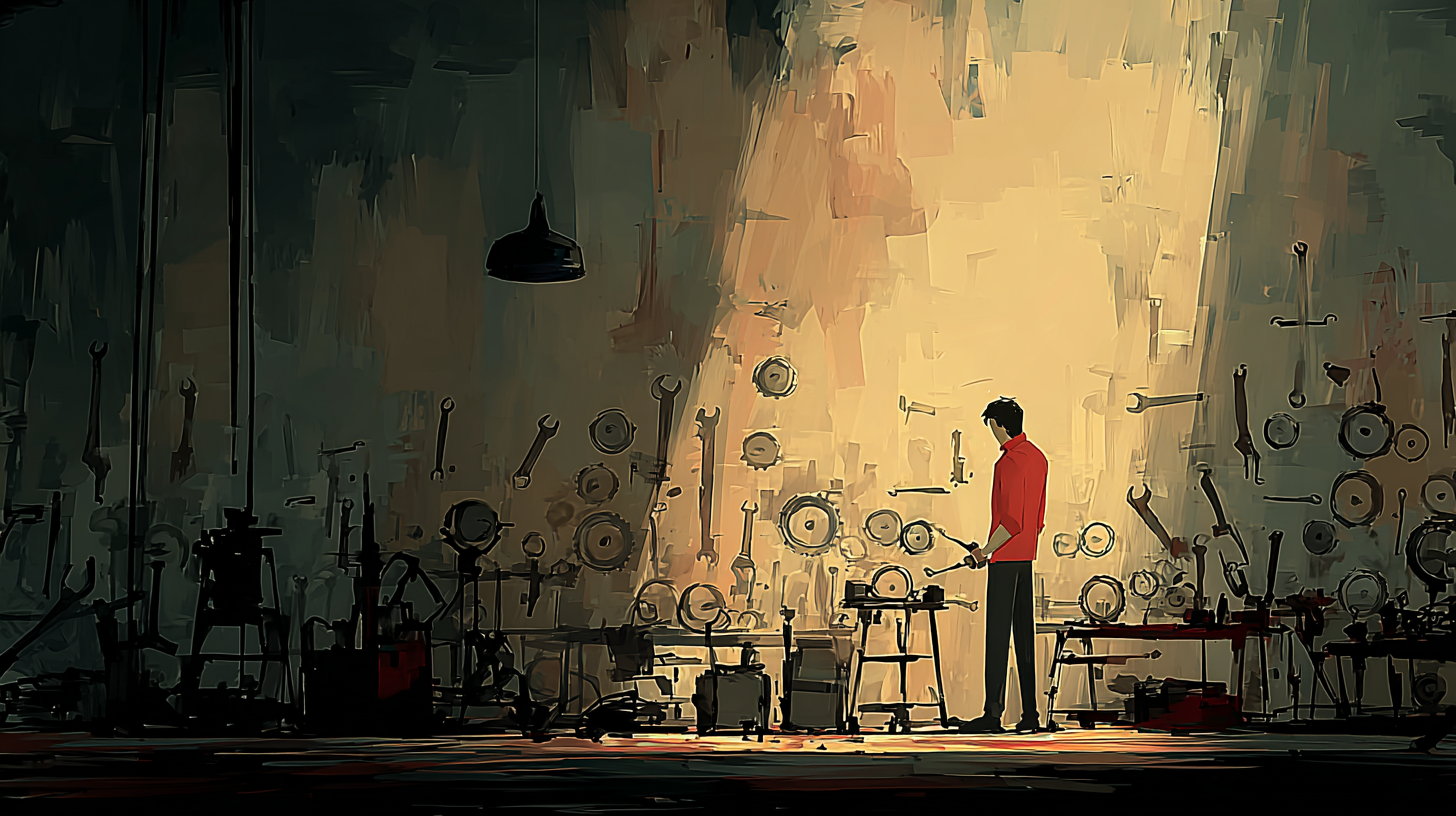
mechanic means a person who fixes machines or the way something works.
mechanic は「機械や車を直す人」や「物事の仕組み」を表す言葉。
以下は英単語 “mechanic” に関するストーリー型学習コンテンツです。まずは大枠の意味を理解して最後の文章で確認しましょう。
「mechanic」の主な意味(main meaning)
| 品詞 | 主要な意味 | 簡潔な英語定義 | 英語例文(1文) | 発音記号(IPA) |
|---|---|---|---|---|
| noun | 整備士,修理工 | a person who repairs and maintains machines or vehicles | The mechanic fixed the company van before the afternoon delivery. | /məˈkænɪk/ |
| noun | 仕組み,動き方 | the way something works; the system behind it | I finally understood the mechanics of the new approval process. | /məˈkænɪks/ |
| adjective | 機械の,力学の | relating to machines or physical forces | The report focuses on mechanic problems in the conveyor belt system. | /məˈkænɪk/ |
「mechanic」の語源(etymology)
mechanic は、ギリシャ語の mēkhanē(機械、しかけ)をもとにした語から来ています。
核となるイメージは「機械のしかけを理解して、直す人(または仕組みそのもの)」です。
「mechanic」の類義語(synonyms)
| 類義語 | 基本的な意味 | 指定単語とのニュアンスの違い(中学生にもわかる日本語) | 英語例文 |
|---|---|---|---|
| technician | 技術者 | mechanic より広く、機械以外(IT機器や医療機器など)も扱うことが多い | A technician checked the office printer and replaced a worn part. |
| repairman | 修理する人 | 日常の修理全般に使いやすく、専門性は mechanic より弱いことがある | The repairman came to fix the broken air conditioner. |
| engineer | 技術者,設計者 | 直すよりも、設計・改善・計算など「作る側」に寄りやすい | The engineer redesigned the workflow to reduce errors. |
| specialist | 専門家 | 何の専門家かをはっきり言わずに「詳しい人」として言える | We asked a specialist to inspect the safety system. |
| process | 手順,流れ | 人ではなく「やり方・手順」を指し、mechanics(仕組み)に近い | The process for requests is simple if you follow the steps. |
「mechanic」の反義語(antonyms)
| 反義語 | 基本的な意味 | 英語例文 |
|---|---|---|
| novice | 初心者 | As a novice, he needed clear instructions before touching the machine. |
| amateur | 素人 | An amateur might guess, but a professional checks each part carefully. |
「mechanic」のコロケーション(collocations)
| コロケーション | 意味 | 英語例文 |
|---|---|---|
| car mechanic | 自動車整備士 | We called a car mechanic when the company van wouldn’t start. |
| skilled mechanic | 腕のいい整備士 | A skilled mechanic can find the problem quickly. |
| hire a mechanic | 整備士を雇う(呼ぶ) | The manager decided to hire a mechanic instead of guessing. |
| mechanic shop | 整備工場 | The van was taken to a nearby mechanic shop for inspection. |
| work as a mechanic | 整備士として働く | She used to work as a mechanic before joining our company. |
「mechanic」の2項表現(binomials)
| 2項表現(A and B) | 意味(日本語) | 英語例文 |
|---|---|---|
| nuts and bolts | 基本の細かい部分,実務の要点 | Let’s focus on the nuts and bolts of the plan before the meeting. |
| trial and error | 試行錯誤 | We fixed the settings through trial and error. |
| tools and equipment | 道具と設備 | The workshop has the tools and equipment we need. |
英語ストーリー(english story)
On Monday morning, our office was already busy. I work at a small logistics company, and the first delivery van must leave before noon. While I was checking emails, I heard a loud click from the parking area. A few minutes later, Ken from the sales team rushed in.
“The van won’t start,” he said. “We can’t be late today.”
Our manager, Ms. Sato, stayed calm. “Don’t panic. We need facts, not guesses. Are there any warning lights?”
Ken shrugged. “I’m a novice with cars. I only know how to drive.”
I followed them outside. The van’s engine made a weak sound, then stopped. Ken looked worried. “I tried turning the key again and again. Maybe it will work if we keep trying.”
“That’s trial and error,” Ms. Sato said, “but not the smart kind. We should hire a mechanic.”
Ken nodded quickly. “Yes, please. I’m not an engineer, and I don’t want to break anything.”
Ms. Sato called a nearby mechanic shop that we had used before. “We need a car mechanic as soon as possible,” she said. “It’s our company van.”
While we waited, we moved the morning meeting to the small conference room. Even without the van, we still had work to do. Ms. Sato opened her laptop and said, “Let’s review the mechanics of our new approval process. Some requests are still getting stuck.”
I explained what I had noticed. “The process is clear on paper, but people skip one step. Then the request comes back, and time is wasted.”
Ken raised his hand. “Sorry. That might be me. I’m an amateur when it comes to paperwork.”
Ms. Sato smiled. “That’s okay. We’ll fix it. We need to understand the nuts and bolts, not just the big idea.”
At that moment, a white truck pulled into the parking lot. A skilled mechanic stepped out, carrying a case of tools and equipment. He introduced himself as Mr. Tanaka.
“I’m the mechanic you called,” he said. “Tell me what happened.”
Ken started explaining, but he was nervous and talked too fast. Mr. Tanaka listened carefully like a technician in a lab. Then he asked, “Did you smell anything strange? Any clicking sounds before this?”
I described the weak engine sound. Mr. Tanaka opened the hood and checked the battery. He didn’t look rushed. He worked like a specialist who had seen the same problem many times.
After a few minutes, he said, “The battery terminals are loose. It’s a small issue, but it stops everything.” He tightened them and cleaned the metal parts. “Sometimes the problem is simple. People imagine something big, but the answer is in the basics.”
Ken looked relieved. “So we don’t need a new battery?”
“Not today,” Mr. Tanaka said. “But you should check it regularly. If you want, I can show you the basic steps.”
Ken laughed. “Please do. I don’t want to be a novice forever.”
Mr. Tanaka explained the steps clearly. He pointed at the parts and used simple words. “If you keep it clean and tight, it will work better. This is the mechanic side of the job—understanding how the machine behaves.”
Ms. Sato thanked him. “You saved our schedule. We were close to missing the delivery.”
Mr. Tanaka closed his case. “No problem. Call me anytime.”
After he left, Ken turned the key. The engine started smoothly. Everyone clapped, and the tension in the air disappeared.
Before the van drove away, Ms. Sato said, “Let’s learn from this. In cars and in office work, we should respect the mechanics. We need the right person for the right task. A repairman fixes what is broken, a technician checks details, an engineer improves systems, and a specialist handles tough cases. If we remember that, we will waste less time.”
Ken nodded. “And I will follow the process properly.”
That afternoon, the delivery was on time, and our new paperwork moved faster too. It felt good to know that both machines and teams can run smoothly when we focus on the nuts and bolts.
和訳
月曜の朝、私たちのオフィスはすでに忙しかった。私は小さな物流会社で働いていて、最初の配送バンは正午前に出発しなければならない。メールを確認していると、駐車場から大きなカチッという音が聞こえた。数分後、営業チームのケンが駆け込んできた。
「バンのエンジンがかからない」と彼は言った。「今日は遅れられない」
マネージャーの佐藤さんは落ち着いていた。「慌てないで。推測じゃなくて事実が必要。警告ランプは光ってる?」
ケンは肩をすくめた。「車は初心者(novice:初心者)なんだ。運転しかわからない」
私も外に出た。エンジンは弱い音を出して止まった。ケンは不安そうだった。「何回も回せば動くかも」
「それは試行錯誤(trial and error:試行錯誤)だけど、賢いやり方じゃないね」と佐藤さん。「整備士を呼ぼう(hire a mechanic:整備士を呼ぶ)」
ケンはすぐにうなずいた。「お願いします。僕は技術者の設計側(engineer:技術者,設計者)でもないし、壊したくない」
佐藤さんは近くの整備工場(mechanic shop:整備工場)に電話した。「できるだけ早く自動車整備士(car mechanic:自動車整備士)をお願いします。会社のバンです」
待っている間、朝の会議を小さな会議室で行った。バンが動かなくても、仕事はある。佐藤さんはノートパソコンを開き、「新しい承認の仕組み(mechanics:仕組み)を見直そう。申請がまだ止まることがある」と言った。
私は気づいたことを話した。「手順(process:手順,流れ)は紙では明確だけど、あるステップを飛ばす人がいる。すると申請が戻って、時間が無駄になる」
ケンは手を挙げた。「すみません。たぶん僕です。書類は素人(amateur:素人)なんです」
佐藤さんは笑った。「大丈夫。直せるよ。大事なのは大きな話だけじゃなく、実務の基本(nuts and bolts:基本の細かい部分)を理解すること」
そのとき、白いトラックが駐車場に入ってきた。腕のいい整備士(skilled mechanic:腕のいい整備士)が、道具と設備(tools and equipment:道具と設備)のケースを持って降りてきた。田中さんと名乗った。
「呼ばれた整備士(mechanic:整備士)です。状況を教えてください」
ケンは緊張して早口で説明したが、田中さんは研究室の技術者(technician:技術者)のように丁寧に聞いた。そして「変なにおいは? さっきまでにカチカチ音は?」と質問した。
私は弱いエンジン音のことを伝えた。田中さんはボンネットを開け、バッテリーを確認した。急いだ様子はない。同じ問題を何度も見てきた専門家(specialist:専門家)のように作業した。
数分後、田中さんは言った。「バッテリー端子がゆるいですね。小さい問題だけど、全部が止まります」金属部分を締めて掃除しながら、「大きな原因を想像しがちだけど、答えは基本にあることが多い」と続けた。
ケンはほっとした。「新品はいらないんですか?」
「今日は大丈夫。でも定期的に見てください。よければ基本の手順を教えますよ」と田中さん。
ケンは笑った。「お願いします。ずっと初心者(novice:初心者)のままは嫌です」
田中さんはわかりやすく説明した。部品を指しながら簡単な言葉で、「きれいにして、しっかり締めれば動きが良くなる。これが機械を直す側(mechanic:整備士)の考え方で、機械の動き方を理解することなんです」と言った。
佐藤さんは礼を言った。「予定が助かりました。配送に間に合わないところでした」
田中さんはケースを閉じた。「いつでも呼んでください」
彼が帰ったあと、ケンがキーを回すと、エンジンはスムーズにかかった。みんな拍手し、空気の緊張が消えた。
バンが出発する前に佐藤さんは言った。「今回から学ぼう。車でも事務でも、仕組み(mechanics:仕組み)を大事にする。適材適所が必要。修理する人(repairman:修理する人)は壊れた所を直し、技術者(technician:技術者)は細部を見て、技術者の設計側(engineer:技術者,設計者)は仕組みを良くし、専門家(specialist:専門家)は難しいケースを扱う。これを覚えれば無駄が減る」
ケンはうなずいた。「手順(process:手順,流れ)をちゃんと守ります」
その午後、配送は時間どおりに終わり、書類の流れも速くなった。実務の基本(nuts and bolts:基本の細かい部分)に目を向けると、機械もチームもスムーズに動くと感じた。
「mechanic」のQ&A
- Qmechanic はどんな意味ですか
- A
mechanic は主に「機械や車を直す人」や「物事の仕組み」という意味です
- Qmechanic は人と仕組みのどちらを表せますか
- A
人の意味なら整備士で、仕組みの意味なら mechanics や the mechanics of ~ の形で使えます
- Qmechanic と technician の違いは何ですか
- A
technician は機械だけでなく機器全般に強い技術者で、mechanic は修理や整備の人に寄ります
- Qmechanic と repairman の違いは何ですか
- A
repairman は修理する人全般で、mechanic は車や機械に専門的な感じが強いです
- Qmechanic と engineer の違いは何ですか
- A
engineer は設計や改善など作る側の意味が出やすく、mechanic は直す側が中心です
- Qmechanic と specialist の違いは何ですか
- A
specialist は分野を言わずに「専門家」と言える言葉で、mechanic は機械や車の修理に特化します
- Qmechanics(複数形)はどんなときに使いますか
- A
mechanics は「仕組み」「動き方」を表し、仕事の手順や制度の動き方を説明するときに便利です
- Qよく一緒に使うコロケーションは何ですか
- A
car mechanic, skilled mechanic, hire a mechanic, mechanic shop, work as a mechanic などがよく使われます
- Qnuts and bolts は mechanic と関係がありますか
- A
nuts and bolts は「基本の細かい部分」という意味で、mechanic の仕事のイメージと相性が良い表現です
- Qストーリーで覚えると何が良いのですか
- A
ストーリーだと場面が思い浮かぶので、単語の使い方と意味が自然に残りやすいです


コメント