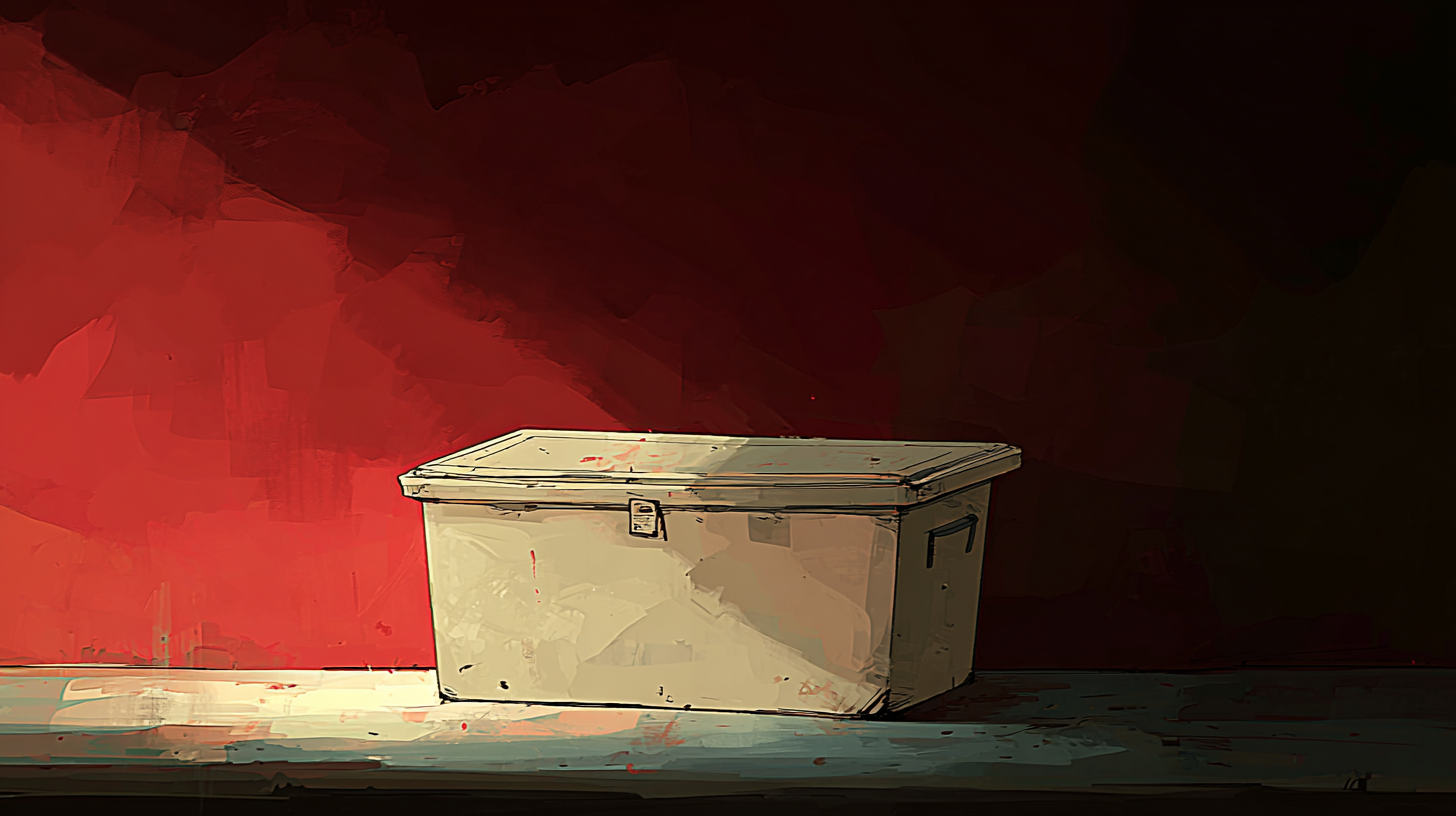
A lid is a cover on the top of a container.
lid は 容器の上をふさぐ ふた のこと。
以下は英単語 “lid” に関するストーリー型学習コンテンツです。まずは大枠の意味を理解して最後の文章で確認しましょう。
「lid」の主な意味(main meaning)
| 品詞 | 主要な意味 | 英語定義 | 例文 | 発音記号(IPA) |
|---|---|---|---|---|
| noun | ふた、上ぶた | a cover that you put on the top of a container | Please put the lid back on the jar. | /lɪd/ |
| noun | まぶた | the piece of skin that covers your eye when it closes | Her eyelids were heavy after the long meeting. | /ˈaɪˌlɪdz/ |
| verb | ふたをする | to put a lid on something | He lidded the pot to keep the soup warm. | /lɪd/ |
「lid」の語源(etymology)
古英語の「hlid(ふた、覆い)」がもとになった語です。
核のイメージは「上からパタンと閉じて中身を守るもの」です。
「lid」の類義語(synonyms)
| 類義語 | 基本的な意味 | 指定単語とのニュアンスの違い | 英語例文 |
|---|---|---|---|
| cover | 覆い、カバー | lid は容器の上を閉じる硬めのふた。cover は布や紙などで広く「覆う」感じ。 | Use a cover to protect the keyboard from dust. |
| cap | キャップ | 小さくてはめるタイプが多い。ペンやボトルの口に「カチッ」と付ける感じ。 | Put the cap on the marker so it does not dry out. |
| top | 上部、上の部分 | 形としてのふたより「上の部分」全体を指すことが多い。 | The top of the box was damaged. |
| closure | 閉じ具、留め具 | ふた以外も含めて、ジッパーや留め具など「閉じる仕組み」全般。少し硬い言い方。 | The bag has a strong closure to keep items safe. |
| hatch | ふた、ハッチ | 船や機械の点検口のように、開け閉めする「扉っぽいふた」。 | Open the hatch carefully and look inside. |
「lid」の反義語(antonyms)
| 反義語 | 基本的な意味 | 英語例文 |
|---|---|---|
| opening | 開口部、開いているところ | Leave the opening clear for fresh air. |
| bottom | 底 | The bottom of the container is thicker than the top. |
「lid」のコロケーション(collocations)
| コロケーション | 意味 | 英語例文 |
|---|---|---|
| a tight-fitting lid | ぴったり合うふた | A tight-fitting lid kept the smell inside. |
| lift the lid | ふたを持ち上げる | She lifted the lid and checked the soup. |
| a screw-on lid | ねじ式のふた | This bottle has a screw-on lid for safety. |
| the lid of a jar | 瓶のふた | The lid of a jar can be hard to open. |
| keep the lid on | 秘密にしておく、口外しない | Please keep the lid on this plan until Friday. |
「lid」の2項表現(binomials)
| 2項表現 | 意味 | 英語例文 |
|---|---|---|
| pots and pans | 鍋やフライパン | We cleaned the pots and pans after lunch. |
| nuts and bolts | 基本の細かい点、実務の要点 | Let’s talk about the nuts and bolts of the new process. |
| odds and ends | こまごました物 | I found odds and ends in the office drawer. |
英語ストーリー(english story)
On Monday morning, our office felt unusually busy. We had a small event on Friday, and now the kitchen and meeting rooms were full of odds and ends that no one had put away. I arrived early because my manager, Ms. Saito, asked me to prepare the conference room for an afternoon client visit.
First, I went to the office kitchen to make coffee. I opened the cabinet and noticed a strange smell. On the counter, there was a glass jar of instant coffee, but the lid was not on it. The coffee looked fine, but the smell had mixed with the air in the kitchen. I sighed and thought, “This is why we need a tight-fitting lid.” I found the lid of the jar near the sink, washed it, and put it back carefully.
While the coffee machine warmed up, I checked the fridge. Someone had placed a lunch box inside without a cover. Next to it was a plastic bottle with a screw-on lid, and that bottle was closed perfectly. The difference was clear: one item was protected and one was not. I started wiping the shelves, and I made a mental note to send a gentle reminder to the team later.
As I worked, my coworker Ken walked in, holding a small box. “Do you have a minute?” he asked. “We need to talk about the nuts and bolts of today’s presentation.”
“Sure,” I said, pouring coffee into two cups. “But first, can you please keep the lid on the coffee jar next time? The smell spreads fast.”
Ken laughed. “That was probably me. I was in a hurry. I’ll be more careful.”
We carried our cups to the conference room. On the table, I saw a cardboard box with a loose top. Inside were documents, pens, and some sample products from last week. I needed to organize everything before the client arrived. I opened the box, took out the papers, and placed them in neat stacks. Then I searched for a proper closure for the box, but the tape was missing.
Ken pointed to a drawer. “Check there. It’s full of office supplies.”
I pulled the drawer open and found clips, rubber bands, and other odds and ends. I also found tape. I sealed the box and set it aside.
A few minutes later, Ms. Saito came in with a serious look. “We have a small change,” she said quietly. “The client may ask about the new pricing plan. It is not final yet, so please keep the lid on it. We should not share details before the legal team finishes the review.”
“Understood,” I said. Ken nodded too. It was a simple phrase, but it carried a clear message: stay careful and do not speak too much.
Before lunch, I walked to the storage room to get extra chairs. The room was crowded with old equipment. In the corner, there was a large machine with a metal hatch. A label on it said “Maintenance Only.” I had never opened it before, but I noticed it was not fully closed. The opening was small, yet it made me nervous. If someone touched it by accident, they could get hurt.
I called Ken over. “Can you help me? This hatch looks unsafe.”
Ken leaned closer. “You’re right. It should be closed.”
He lifted the lid-like hatch gently and checked inside. “Nothing is broken,” he said, “but we should close it now.” He pushed it down until it clicked. “Now it’s safe.”
“Good,” I said. “Let’s keep things safe and sound today.”
After lunch, the client arrived. We greeted them, offered coffee, and started the meeting. The presentation went smoothly. When the client asked about pricing, Ms. Saito answered carefully, giving only approved information. Ken and I stayed focused and calm. In my head, I thought about small details like lids, caps, and covers. They seem minor, but they can protect important things.
When the client left, Ms. Saito smiled. “Nice work,” she said. “You handled everything well, from the kitchen to the conference room.”
As I cleaned up, I returned to the kitchen. I checked the jar one more time. The lid was on, tight and secure. I felt a small sense of victory. In an office, success is not only big ideas. Sometimes it is also pots and pans, papers and pens, and the simple habit of putting the lid back where it belongs.
和訳
月曜日の朝、私たちのオフィスはいつもより忙しく感じました。金曜日に小さなイベントがあり、その後片付けが不十分で、キッチンや会議室にはこまごました物(odds and ends:こまごました物)がたくさん残っていました。私は午後の取引先の訪問に備えるよう、斉藤さんに会議室の準備を頼まれていたので早めに出社しました。
まず、オフィスのキッチンでコーヒーを作ろうとしました。棚を開けると、変なにおいに気づきました。カウンターにはインスタントコーヒーのガラス瓶がありましたが、ふた(lid:ふた)が閉まっていませんでした。コーヒー自体は問題なさそうでも、においがキッチンの空気と混ざっていました。私はため息をついて「だからぴったり合うふた(a tight-fitting lid:ぴったり合うふた)が必要なんだ」と思いました。私はシンクの近くで瓶のふた(the lid of a jar:瓶のふた)を見つけ、洗ってから丁寧に戻しました。
コーヒーマシンが温まる間、冷蔵庫も確認しました。誰かがお弁当を覆い(cover:覆い)なしで入れていました。その隣には、ねじ式のふた(a screw-on lid:ねじ式のふた)が付いたペットボトルがあり、そちらはきちんと閉まっていました。違いは明らかでした。片方は守られていて、片方は守られていません。私は棚を拭きながら、後でチームにやさしく注意を送ろうと思いました。
作業中、同僚のケンが小さな箱を持って入ってきました。彼は「ちょっといい?」と言いました。「今日のプレゼンの基本の細かい点(nuts and bolts:基本の細かい点)を話さないと。」
「いいよ」と私は言い、コーヒーを2つのカップに注ぎました。「でもまず、次からコーヒー瓶のふた(lid:ふた)をちゃんと閉めてね。においがすぐ広がるから。」
ケンは笑いました。「たぶん僕だ。急いでたんだ。気をつけるよ。」
私たちはコーヒーを持って会議室へ行きました。テーブルの上には、上部(top:上部)がゆるい段ボール箱がありました。中には書類、ペン、そして先週のサンプル品が入っていました。取引先が来る前に全部整える必要がありました。私は箱を開け、書類を取り出してきれいに重ねました。それから箱を閉じるための閉じ具(closure:閉じ具)を探しましたが、テープがありませんでした。
ケンが引き出しを指さしました。「そこを見て。文房具がいっぱいだよ。」
私は引き出しを開け、クリップや輪ゴムなどのこまごました物(odds and ends:こまごました物)を見つけました。テープもありました。私は箱をテープで留めて脇に置きました。
少しして、斉藤さんが真剣な表情で入ってきました。「小さな変更があります」と彼女は小声で言いました。「取引先が新しい価格プランについて聞くかもしれません。まだ確定ではないので、その話は秘密にして(keep the lid on:口外しない)ください。法務チームの確認が終わる前に詳細は出せません。」
「了解しました」と私は言い、ケンも頷きました。短い言い方でしたが意味は明確でした。慎重に、余計なことは言わないということです。
昼食前、私は予備の椅子を取りに倉庫へ行きました。倉庫は古い機材でいっぱいでした。隅には大きな機械があり、金属のハッチ(hatch:ハッチ)が付いていました。ラベルには「点検者のみ」と書いてありました。私は今まで開けたことがありませんでしたが、完全には閉まっていないことに気づきました。開口部(opening:開口部)は小さかったのに、不安になりました。誰かがうっかり触れたら危ないかもしれません。
私はケンを呼びました。「手伝ってくれる? このハッチ、危なそう。」
ケンは近づいて見ました。「本当だ。閉めるべきだね。」
彼はそのふたのようなハッチをそっと持ち上げて(lift the lid:ふたを持ち上げる)中を確認しました。「壊れてはいない」と言いました。「でも今閉めよう。」彼は押し下げ、カチッと音がするまで閉めました。「これで安全だ。」
「よかった」と私は言いました。「今日は安全に(safe and sound:安全に)いこう。」
昼食後、取引先が到着しました。私たちは挨拶し、コーヒーを出し、会議を始めました。プレゼンは順調でした。取引先が価格について尋ねたとき、斉藤さんは慎重に、承認された情報だけを話しました。ケンと私は集中して落ち着いていました。私は頭の中で、ふた(lid:ふた)、キャップ(cap:キャップ)、覆い(cover:覆い)のような小さな違いを思い浮かべていました。小さなことに見えても、大事なものを守れます。
取引先が帰ったあと、斉藤さんは笑顔になりました。「よくやったね」と言いました。「キッチンから会議室まで、全部うまく対応できていた。」
片付けをしながら、私はキッチンに戻りました。瓶をもう一度確認すると、ふた(lid:ふた)はしっかり閉まっていました。小さな達成感がありました。オフィスでの成功は大きなアイデアだけではありません。ときには鍋やフライパン(pots and pans:鍋やフライパン)、紙とペン、そしてふた(lid:ふた)を元に戻すという単純な習慣でも生まれるのです。
「lid」のQ&A
- Qlid はどんな意味ですか
- A
lid は容器の上を閉じるふたのことです。
- Qlid と cover はどう違いますか
- A
cover は広く覆うもので、lid は容器の上を閉じる硬めのふたのことが多いです。
- Qlid と cap はどう使い分けますか
- A
cap は小さくてはめるタイプが多く、lid は瓶や容器の上をしっかり閉じるふたです。
- Qlid と top の違いは何ですか
- A
top は上の部分全体を指すことが多く、lid は閉じるためのふたそのものです。
- Qclosure は lid と同じですか
- A
closure は閉じる仕組み全般で、lid はその中のふたの一種です。
- Qhatch はどんな場面で使いますか
- A
hatch は機械や船の点検口のような扉っぽいふたのことです。
- Qkeep the lid on はどういう意味ですか
- A
keep the lid on は秘密にして口外しないという意味です。
- Qlift the lid はどんなときに使いますか
- A
lift the lid はふたを持ち上げて中を見るときに使います。
- Qa tight-fitting lid はなぜ大事ですか
- A
a tight-fitting lid はにおい漏れやこぼれを防いで中身を守るから大事です。
- Qpots and pans や nuts and bolts はどんな意味ですか
- A
pots and pans は鍋やフライパンで、nuts and bolts は仕事の基本の細かい点という意味です。

コメント