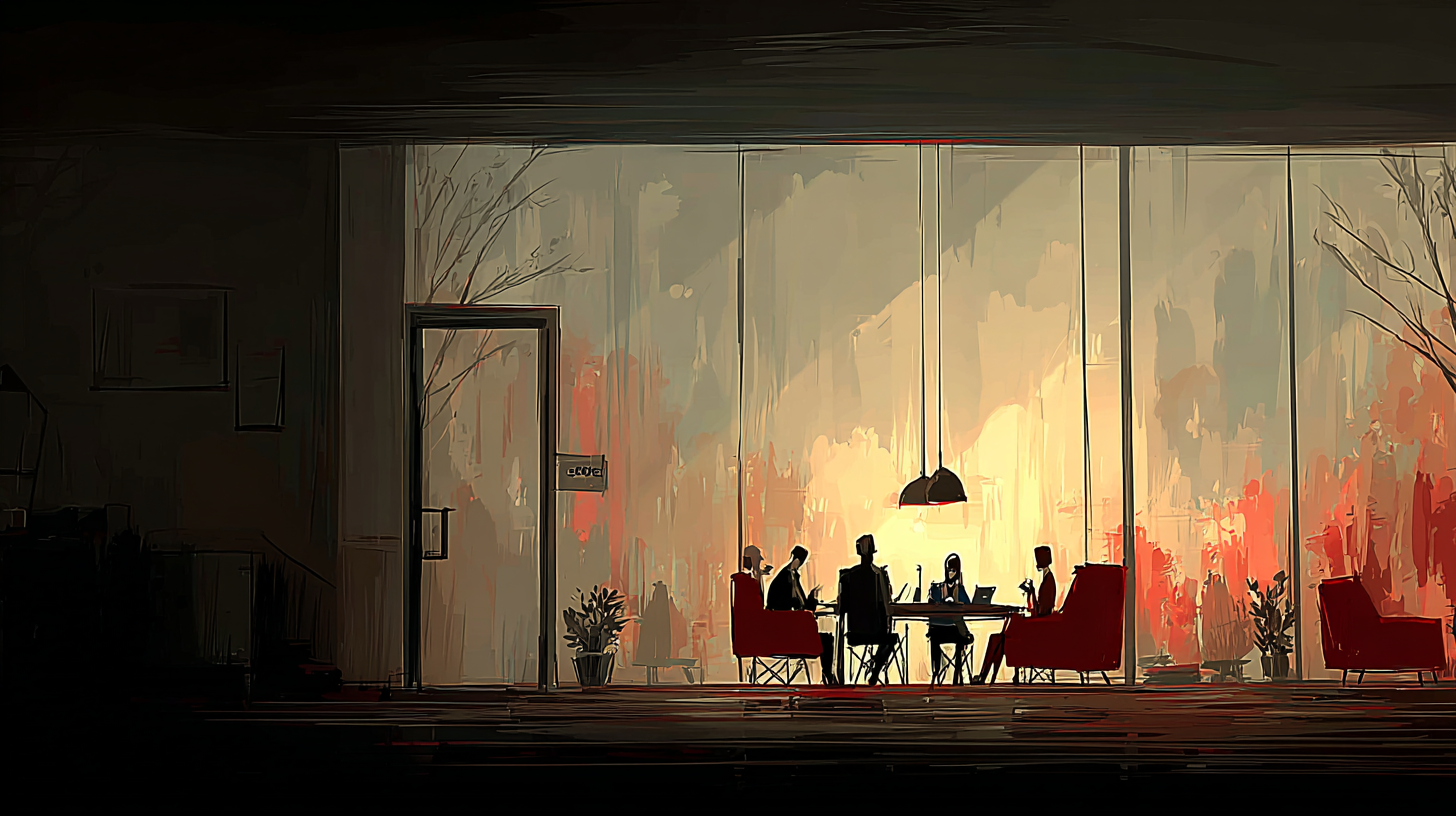
“Occupied” means something is being used or someone is busy.
「occupied」は「ふさがっている」や「誰かが使っている・何かで忙しい」という意味の言葉です。
以下は英単語 “occupied” に関するストーリー型学習コンテンツです。まずは大枠の意味を理解して最後の文章で確認しましょう。
「occupied」の主な意味(main meaning)
| 品詞 | 意味 | 発音記号(IPA) | 英語例文 |
|---|---|---|---|
| 形容詞 (adj.) | 使用中の、ふさがっている | /ˈɑː.kjə.paɪd/ | The restroom is currently occupied. |
| 形容詞 (adj.) | 忙しい、予定が詰まっている | /ˈɑː.kjə.paɪd/ | She was too occupied to answer the phone. |
| 動詞の過去分詞 (occupied) | 占領された、使われている | /ˈɑː.kjə.paɪd/ | The building was occupied by protesters. |
「occupied」の語源(etymology)
「occupied」はラテン語 occupare(つかむ、占める)から来ており、基本イメージは「場所や時間を取って使う」ということです。
「occupied」の類義語(synonyms)
| 類義語 | 英語例文 |
|---|---|
| busy | He’s busy with work all day. |
| engaged | The line is engaged; please call back later. |
| taken | The seat is taken. |
| unavailable | She is currently unavailable for a meeting. |
| in use | All the computers are in use right now. |
「occupied」の反義語(antonyms)
| 反義語 | 英語例文 |
|---|---|
| free | The room is free now. |
| vacant | The hotel had several vacant rooms. |
「occupied」のコロケーション(collocations)
| コロケーション | 英語例文 |
|---|---|
| occupied seat | Please do not take an occupied seat. |
| fully occupied | She was fully occupied with her studies. |
| remain occupied | The house remained occupied for years. |
| occupied territory | The army left the occupied territory. |
| become occupied | The table became occupied quickly. |
「occupied」の2項表現(binomials)
| 2項表現 | 英語例文 |
|---|---|
| occupied and busy | She was occupied and busy preparing dinner. |
| full and occupied | The hotel was full and occupied during the holiday. |
英語ストーリー(english story)
Title: A Day at the Office
Emma arrived at work early. She wanted to use the small meeting room to prepare for her big presentation. However, when she got there, she found the room was occupied. A group of colleagues were having a discussion. Emma sighed and looked for another place, but every room seemed fully occupied.
She went to the receptionist and asked, “Is there any free room I can use?”
“Sorry,” the receptionist replied. “All meeting rooms are in use. Everyone’s busy this morning.”
Emma nodded. She was a bit disappointed but remembered that the break room had a small desk. It wasn’t ideal, but it was vacant. She quickly set up her laptop and started practicing.
An hour later, her manager came by and said, “Emma, the meeting room is now free.”
“Thank you,” she said, gathering her things. As she walked into the room, she thought about how occupied and busy her mornings usually were. But no matter what, she always found a way to prepare.
和訳
タイトル:会社での1日
エマは朝早く職場に着きました。大事なプレゼンの準備のために、小さな会議室を使いたかったのです。しかし、行ってみるとその部屋は**occupied(使用中)でした。同僚たちが話し合いをしていたのです。エマはため息をついて別の場所を探しましたが、どの部屋もfully occupied(完全に埋まって)**いるようでした。
彼女は受付に行って聞きました。「使える**free(空いている)**部屋はありますか?」
「すみません、すべての会議室は**in use(使用中)です。今朝はみんなbusy(忙しい)**なんです」と受付の人。
エマはうなずき、少しがっかりしましたが、休憩室に小さな机があることを思い出しました。理想ではありませんが、そこは**vacant(空いて)**いました。彼女は素早くノートパソコンを準備し、練習を始めました。
1時間後、マネージャーが来て言いました。「エマ、会議室が**free(空き)**ましたよ。」
「ありがとうございます」と彼女は言い、荷物をまとめました。部屋に入ると、彼女は自分の朝がいつも**occupied and busy(埋まっていて忙しい)**ことを思い出しました。でもどんな時でも、準備する方法を見つけていたのです。
「occupied」のQ&A
- Q「occupied」と「busy」の違いは何ですか?
- A
どちらも「忙しい」という意味ですが、「occupied」は何かに注意や時間を取られているときに使い、「busy」は予定が詰まっているときによく使います。たとえば「I’m busy today.(今日は忙しい)」は自然ですが、「I’m occupied today.」は少しかたい印象になります。
- Q「occupied」と「engaged」の使い分けはどうすればいいですか?
- A
「engaged」は特にイギリス英語で、電話回線が話し中のときなどに使います(例:The line is engaged.)。一方で「occupied」は部屋や席が使われている状態にも広く使えます(例:The restroom is occupied.)。
- Q「occupied」と「taken」はどう違いますか?
- A
どちらも「使われている」という意味ですが、「taken」は日常的・カジュアルで、「occupied」はややフォーマルで場面を選ばず使えます。たとえば「The seat is taken.」は会話で、「The seat is occupied.」はアナウンスなどで使われやすいです。
- Q「free」は「occupied」の反対語ですか?
- A
はい。「free」は「空いている」という意味で、「occupied(ふさがっている)」の反対語になります。例:The meeting room is free now.(会議室は今空いています)。
- Q「vacant」と「occupied」の関係は?
- A
「vacant(空いている)」は「occupied(埋まっている)」の反対語です。特にホテルの部屋やトイレの表示などでよく使われます。例:vacant = 空室あり、occupied = 使用中。
- Q「fully occupied」とはどういう意味ですか?
- A
「fully occupied」は「完全にふさがっている」「予定がびっしり詰まっている」という意味です。部屋、時間、人すべてに使えます。例:She was fully occupied with work.(彼女は仕事で手いっぱいだった)。
- Q「in use」と「occupied」はどう違いますか?
- A
どちらも「使われている」という意味ですが、「in use」は物や設備に使い、「occupied」は場所や人にも幅広く使います。例:The printer is in use.(プリンターは使用中です)、The room is occupied.(部屋は使われています)。
- Q「occupied seat」はどんな時に使いますか?
- A
「occupied seat」は「誰かが座っている席」という意味で、映画館や電車などで座席が使用中であることを表す時に使います。例:Please do not take an occupied seat.(使用中の席に座らないでください)。
- Q「occupied and busy」のような表現は自然ですか?
- A
はい。両方を重ねて使うことで、「とても忙しい」「時間も意識もすべて埋まっている」状態を強調できます。やや強調的な言い方ですが、文脈によっては自然です。
occupied は「使用中」「忙しい」など幅広く使われますが、busy や taken とは対象や意味の焦点が異なります。以下の表でニュアンスの違いを整理しましょう。
| 形容詞 | 中心的な意味 | ニュアンスの違い | 主に使われる対象・文脈 |
|---|---|---|---|
| occupied | 使用中の・忙しい | 何かに占有されている状態。人・席・部屋・国まで幅広い | occupied room / occupied with work |
| busy | 忙しい | 作業や予定が多い状態。人に対して使うのが基本 | busy today / busy schedule |
| taken | 取られている | すでに他人が使用・確保している状態 | seat taken / name taken |
ニュアンスを一文で整理
- occupied
→ 他のことで埋まっている - busy
→ 仕事や予定が多い - taken
→ すでに使われている
混同しやすいポイント
- occupied ≠ busy
- occupied:状態・占有
- busy:活動量
- occupied ≠ taken
- occupied:継続中の状態
- taken:結果として空いていない


コメント